Articles
-
-
-
-
The Importance of Organ Meats
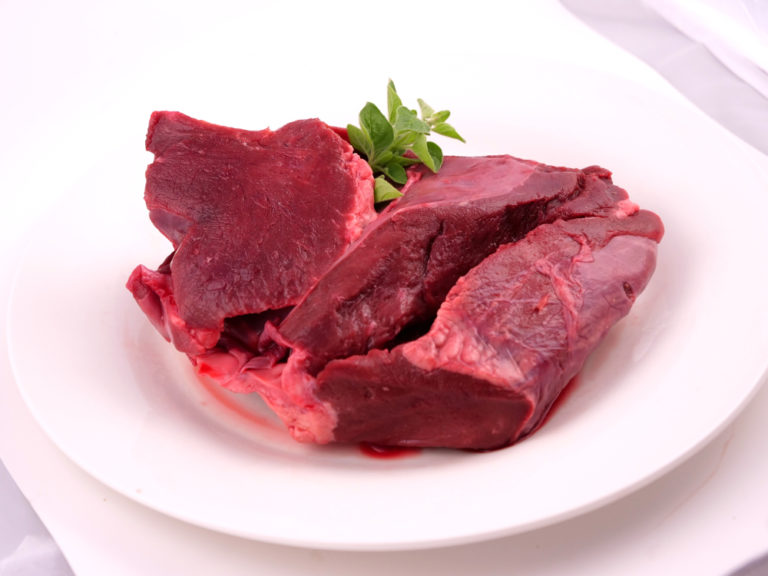
Nearly all traditional cultures valued organ meats. They were often the first parts eaten of any animals that they ate because of their ability to build reserves of strength and vitality. Unfortunately, in today’s world, we have lost the flavor for these things and they are exceptionally difficult to find. Consider, though, that these meats…
-
-
-
-
-
-
Time to Plan the Garden
While winter isn’t quite through with us, spring really is right around the corner. Days are getting longer, bitter cold has lost its grip and garden catalogs fill our mailboxes. Soon we’ll be involved with our spring cleaning, readying the lawn furniture and digging out the hoses. If you haven’t plotted the garden plan or…
-
Turmeric
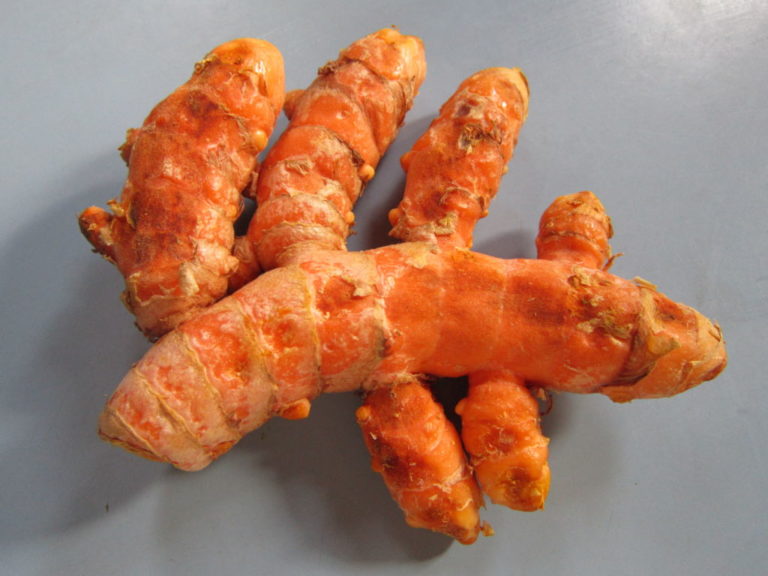
Turmeric has long been used in Ayurvedic medicine. This traditional Indian methodology uses plants for most of its healing and turmeric is often prescribed. Some recent research is now indicating that this particular spice may have been the “gold” given to the Christ child along with myrrh and frankincense by the Wise Men. It is…
-
Freezing Broccoli
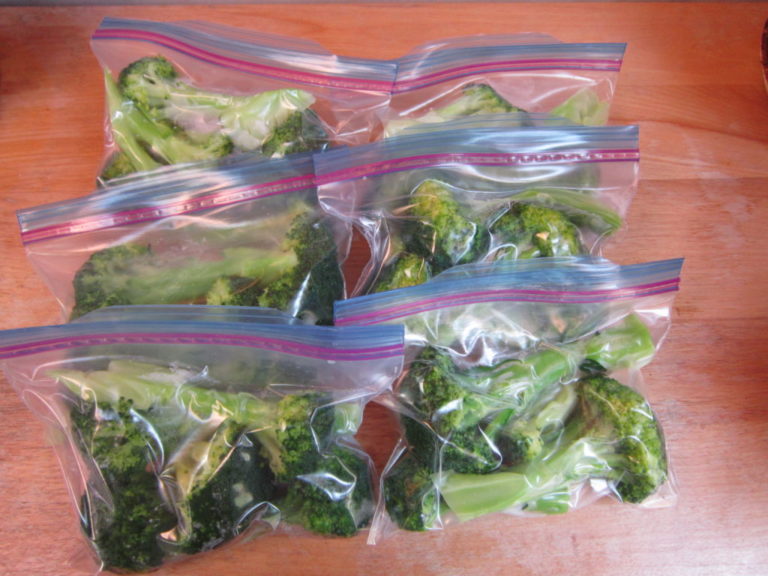
Farm stands and gardens are bountiful at this time of year. Harvests are flowing and farmers sell their produce at bargain prices. This is a great time to take advantage and get some things into the freezer. The veggies are truly fresh and, if you buy locally, you know where they come from. All vegetables…
-
-
Time to Finish Planting the Garden
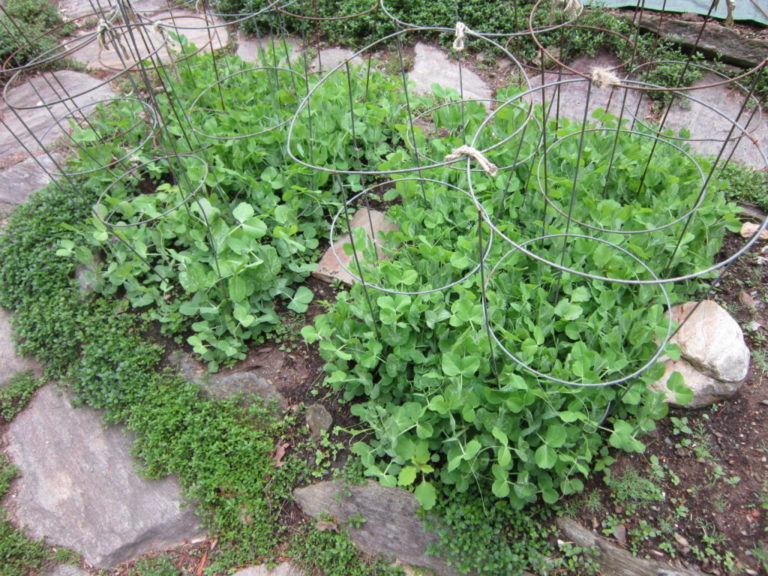
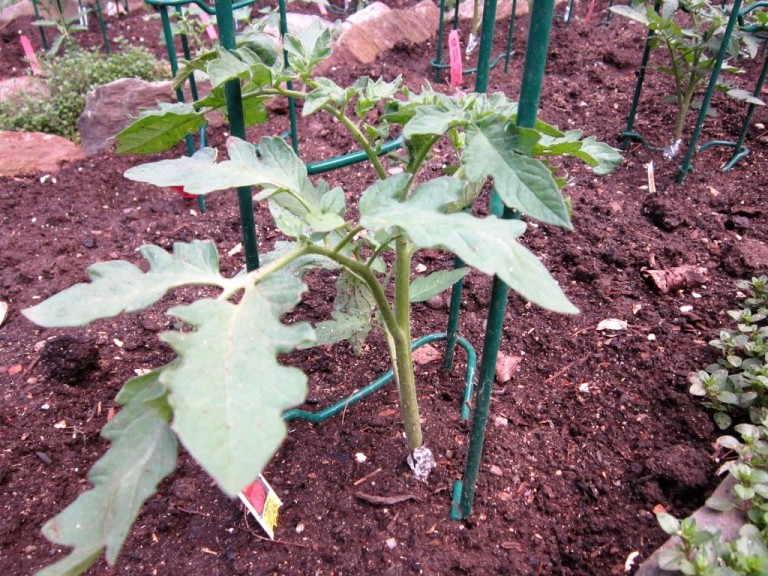
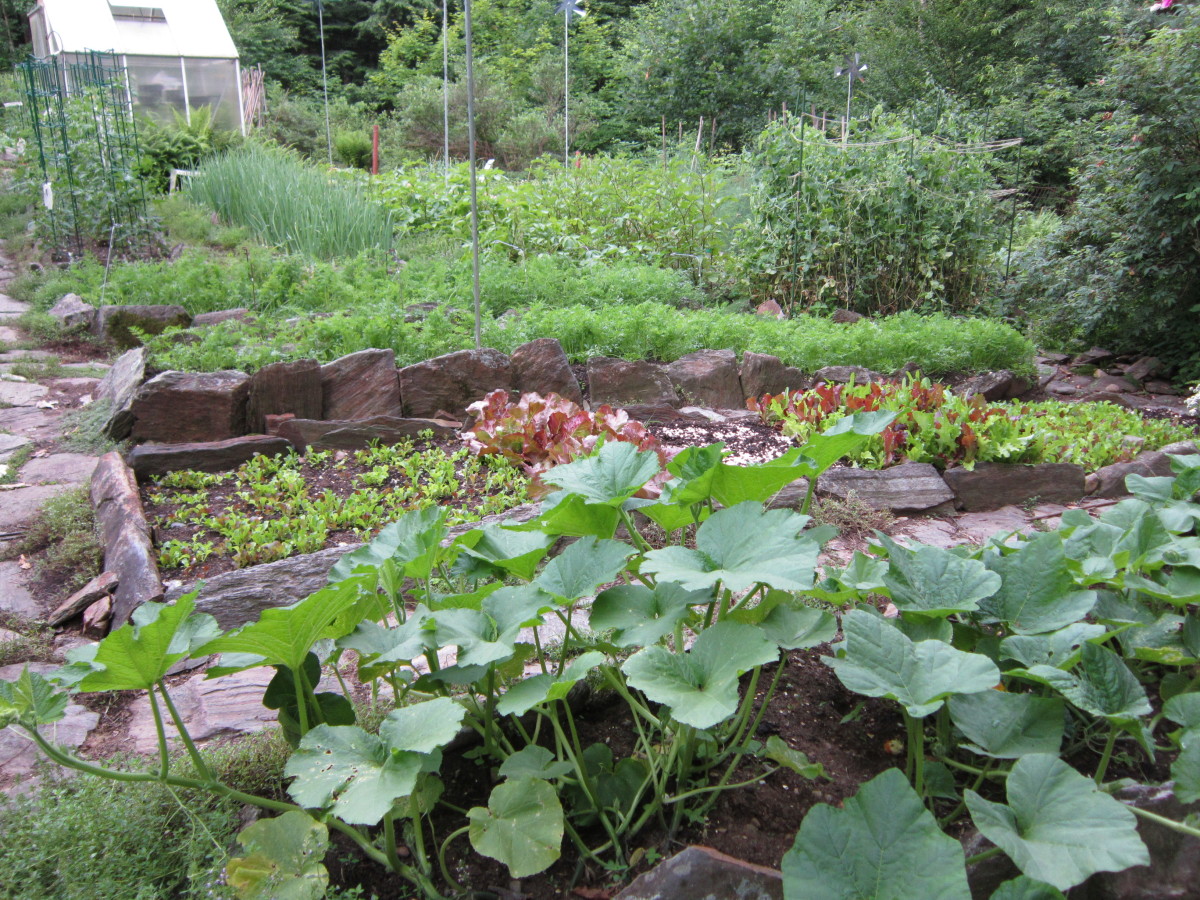
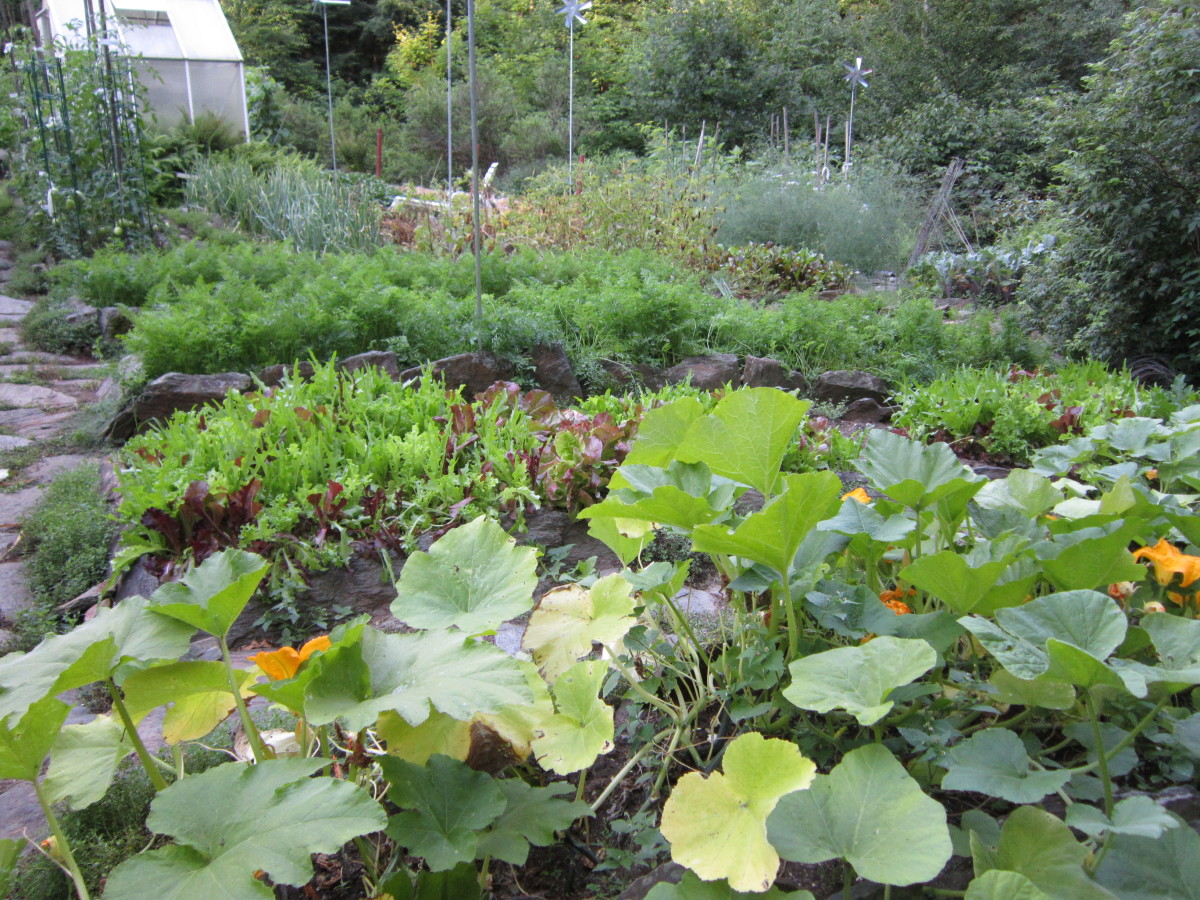
It’s Memorial Day Weekend and it’s time to finish planting the vegetable garden. All the veggies that are sensitive to the cold can finally be planted. That includes tomatoes, eggplants, summer and winter squashes, beans, basil, cucumbers, melons and more. The soil gets prepared the same way that it did for the hardy vegetables. First,…
-
-
French Onion Soup
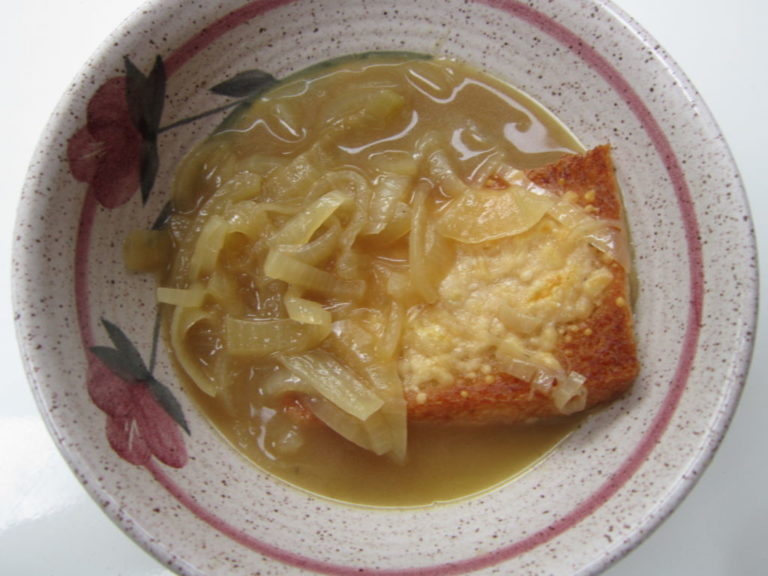
French onion soup is a perennial favorite. It’s rich, hardy and delicious. Ideally, the flavors are complex and well mixed—this occurs better if it is made the day before it is eaten. My mother, who was of French descent, swore that real French onion soup was made with turkey stock. Most chefs use beef stock….
-
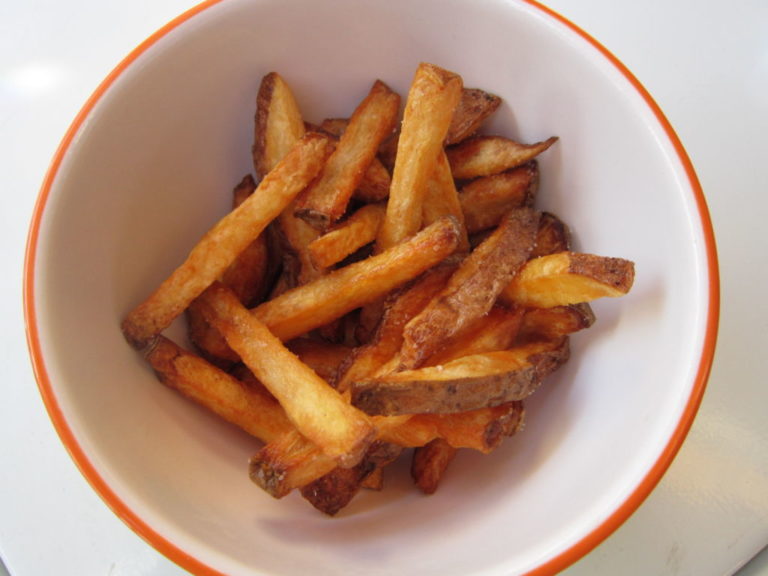
Make Your Own Best French Fries Ever
Who doesn’t like French fries? However, some of the ones available to us at the fast-food restaurants are made with pesticide laden potatoes and fats that are not good for us. Bad fats are really hard on the body and can contribute to illness. The solution? Make your own! The best, most delicious French fries…
-
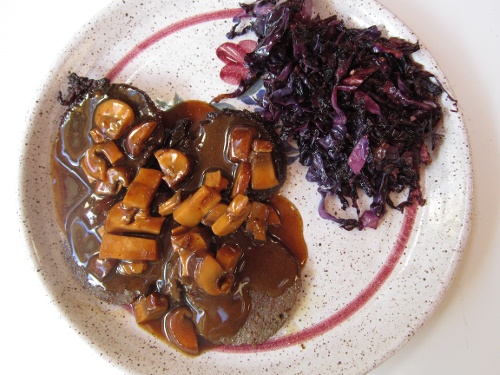
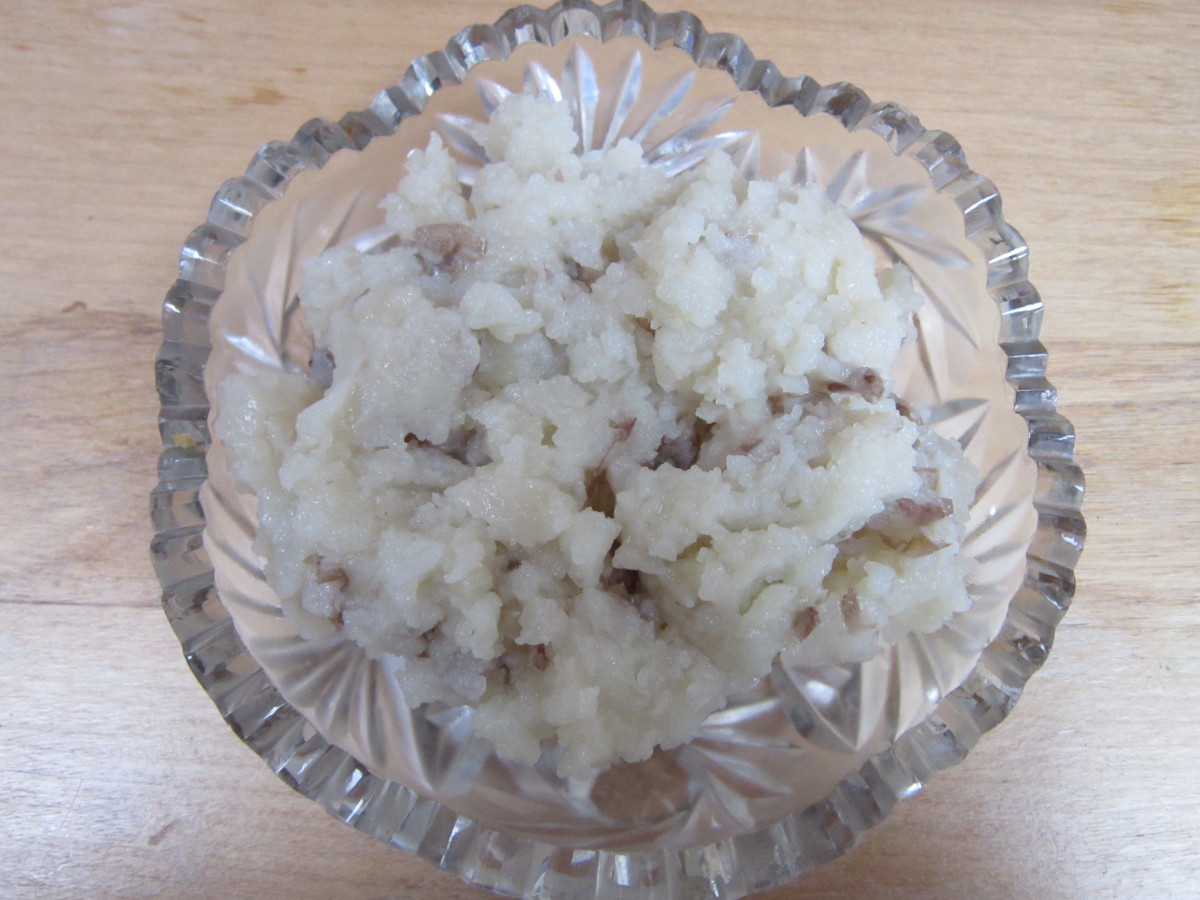
Celeste’s Fried Liverwurst Recipe
Celeste has a new recipe published on the US Wellness Meats website. As they mention to the subscribers of their newsletter: “Our Recipe Corner this week is a sneak preview of a future Featured Chef, Celeste Longacre. If you have been looking for ways to get more of the nutrient dense organ meats into your…
-
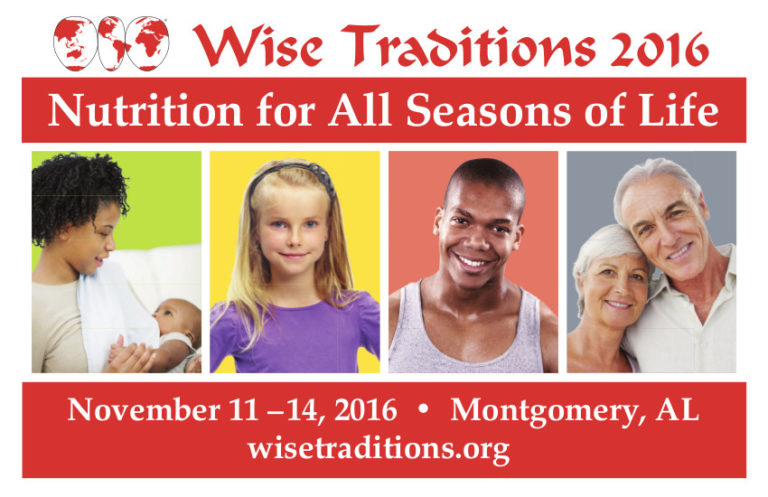
Celeste Will Be At Wise Traditions 2016
This is the best conference to learn about real foods. The meals are also amazing…I wouldn’t miss it! Come see Celeste at the 17th Annual Conference of the Weston A. Price Foundation Montgomery, Alabama November 11-14. “NUTRITION FOR ALL SEASONS OF LIFE” Friday, November 11th through Sunday, November 13th Plus additional sessions on Monday, November…
-
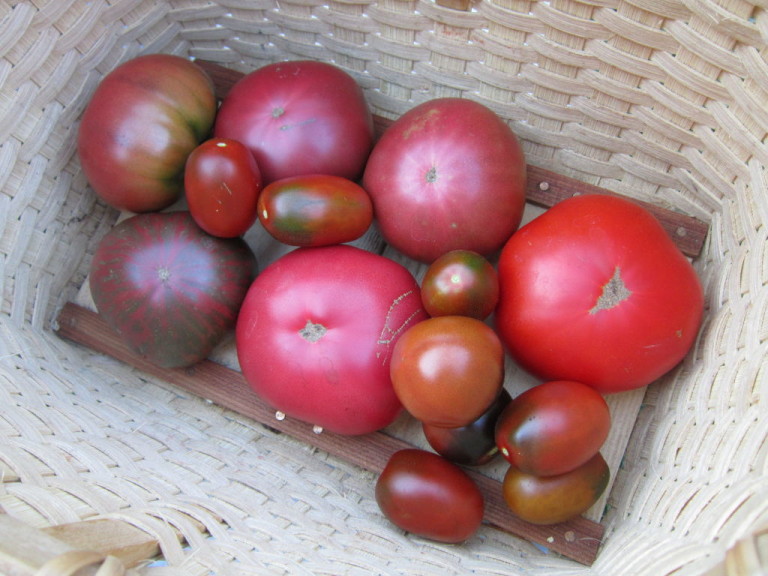
Heirloom Tomatoes
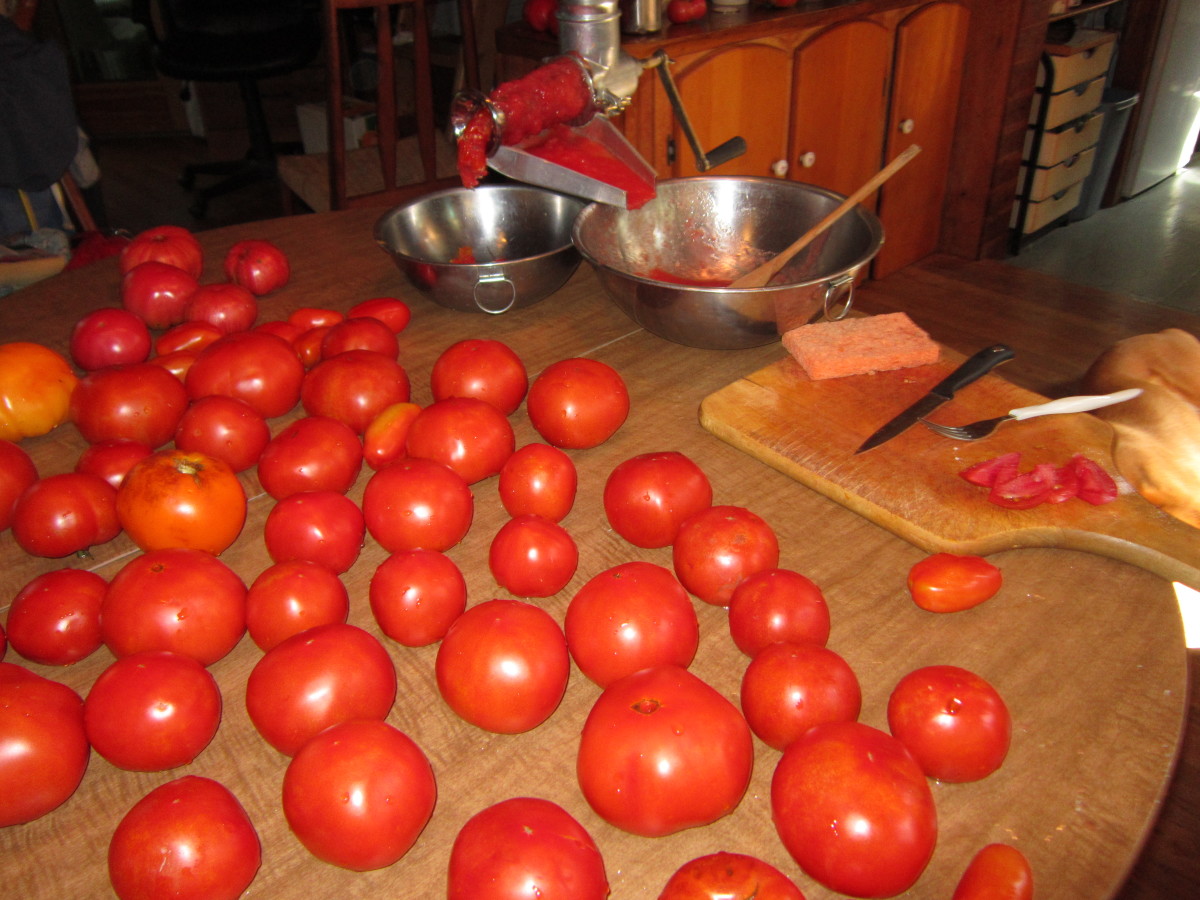
One of everyone’s favorite garden vegetables is the tomato. Technically a fruit, tomatoes from the back yard are like manna from heaven. Sweet, juicy, delectable and indescribably delicious, a home grown tomato is like nothing else under the Sun. It’s often the main reason that people begin to garden. Over the years, tomatoes have been…
-
-
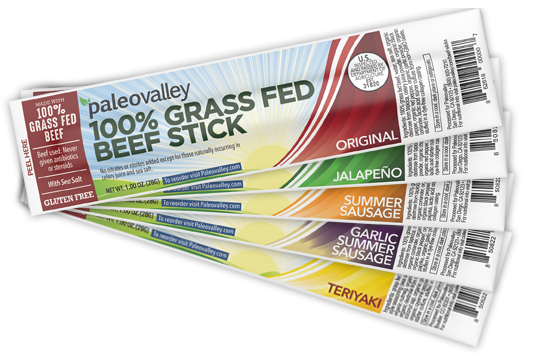
A Celeste Pick: Paleovalley 100% Grass Fed Beef Stick!
I just found the most exciting, wonderful and delicious snack that is truly good for us! It’s the Paleovalley 100% Grass Fed Beef Stick. It is made from beef only from grass-fed cows, non GMO, gluten free, organic spices and it is fermented. Yes, that’s right, fermented! So not only does it satisfy our hunger…
-
-
-
Time to Start Planting the Garden
As winter’s snows melt and birds begin their territorial morning songs, it’s time to get planting. Many plants need to wait until the soil and air truly warm up, but there are also others that don’t care. A complete list is available to you for free from this website at your request. I have already…
-
Autographed Copies of “Love Signs” Hardcover Book Available!
This is a book written all about you, your loved ones and your relationships. Through the lens of astrology, Celeste describes-in detail-all of the signs of the Zodiac and how they get along with all of the other signs. Imagine discovering not only which match or matches are the sweetest for you, but how to…
-
-
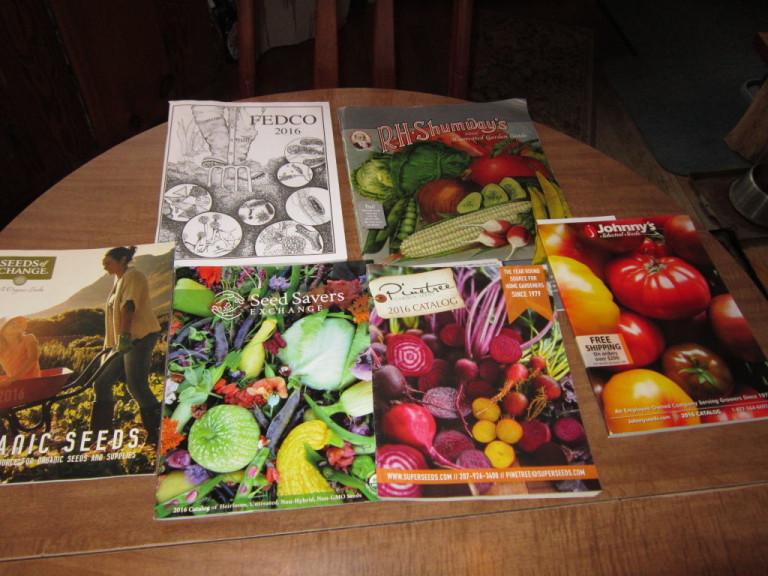
My Favorite Catalogs
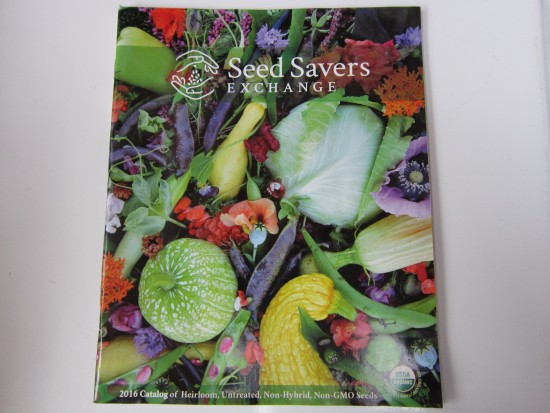
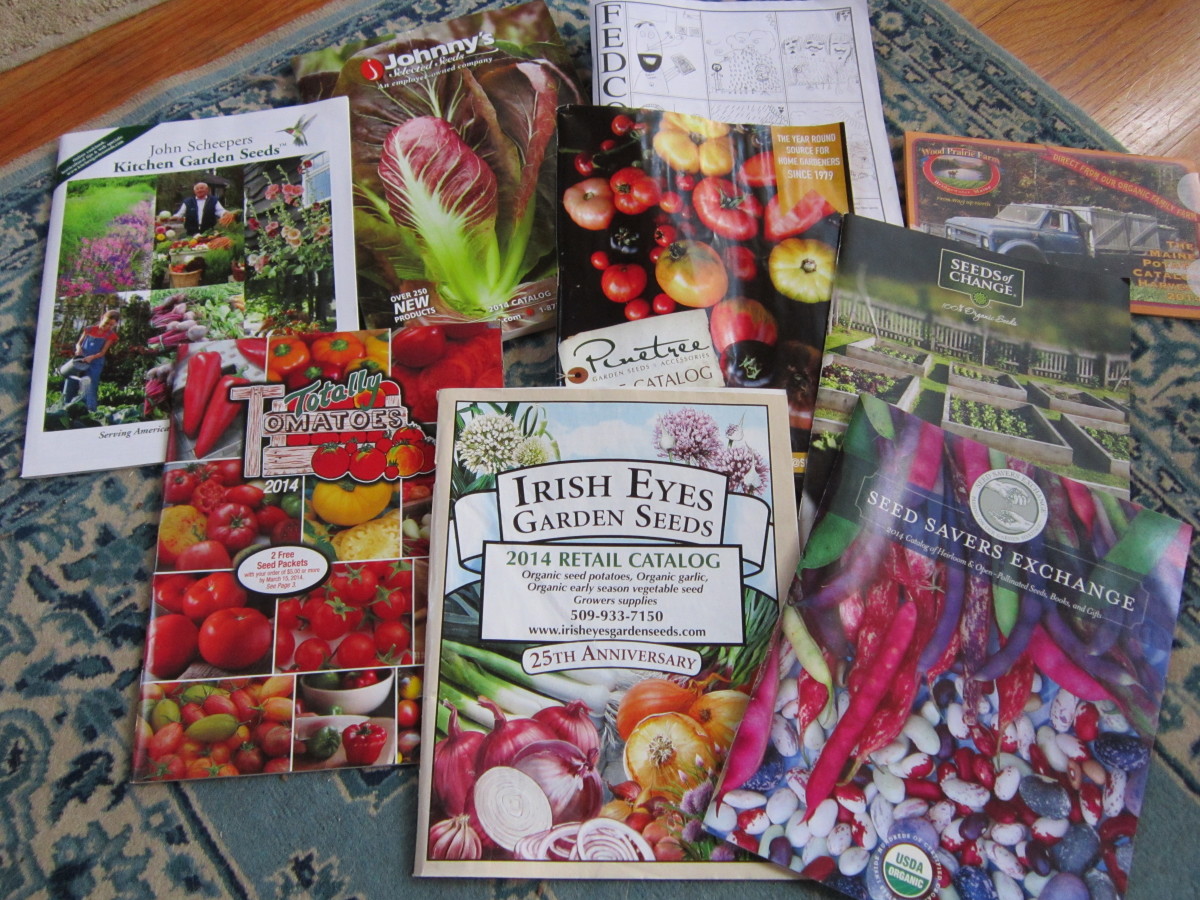
Seed catalogs are wonderful fonts of information and inspiration. Often, beautiful color pictures make the mouth water with anticipation and details are given about planting specifics and variety differences. And, they are free! There are dozens—if not hundreds—of seed catalogs available. Companies like to entice consumers with platitudes like “easy to grow” or “award winner.”…
-
-
-
-
-
-
-
-
Purslane
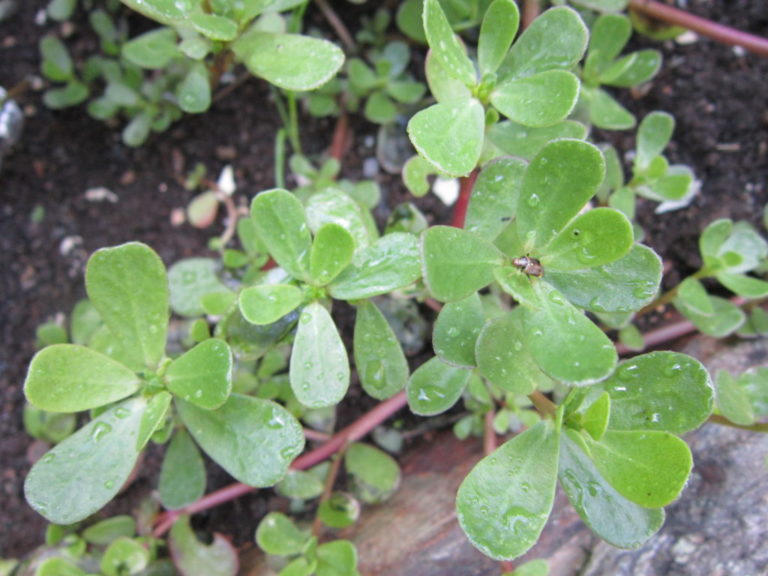
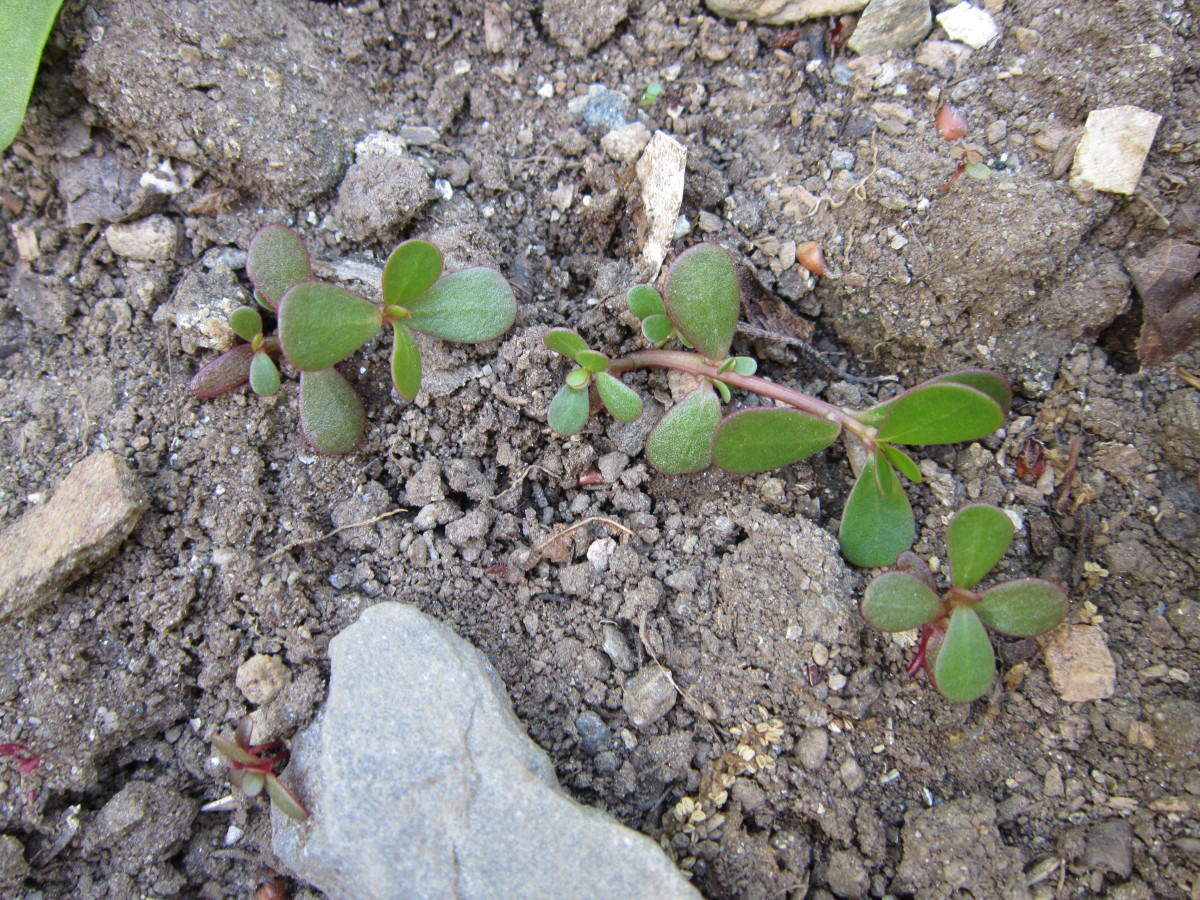
Purslane is a common garden weed that is probably the most nutritious item in your garden. It originally came from India and escaped into backyards everywhere. It has fourteen times the Omega-3 fatty acids of spinach as well as six times the vitamin E. Its betacarotene levels are seven times higher than carrots.
-
Turmeric Sausage
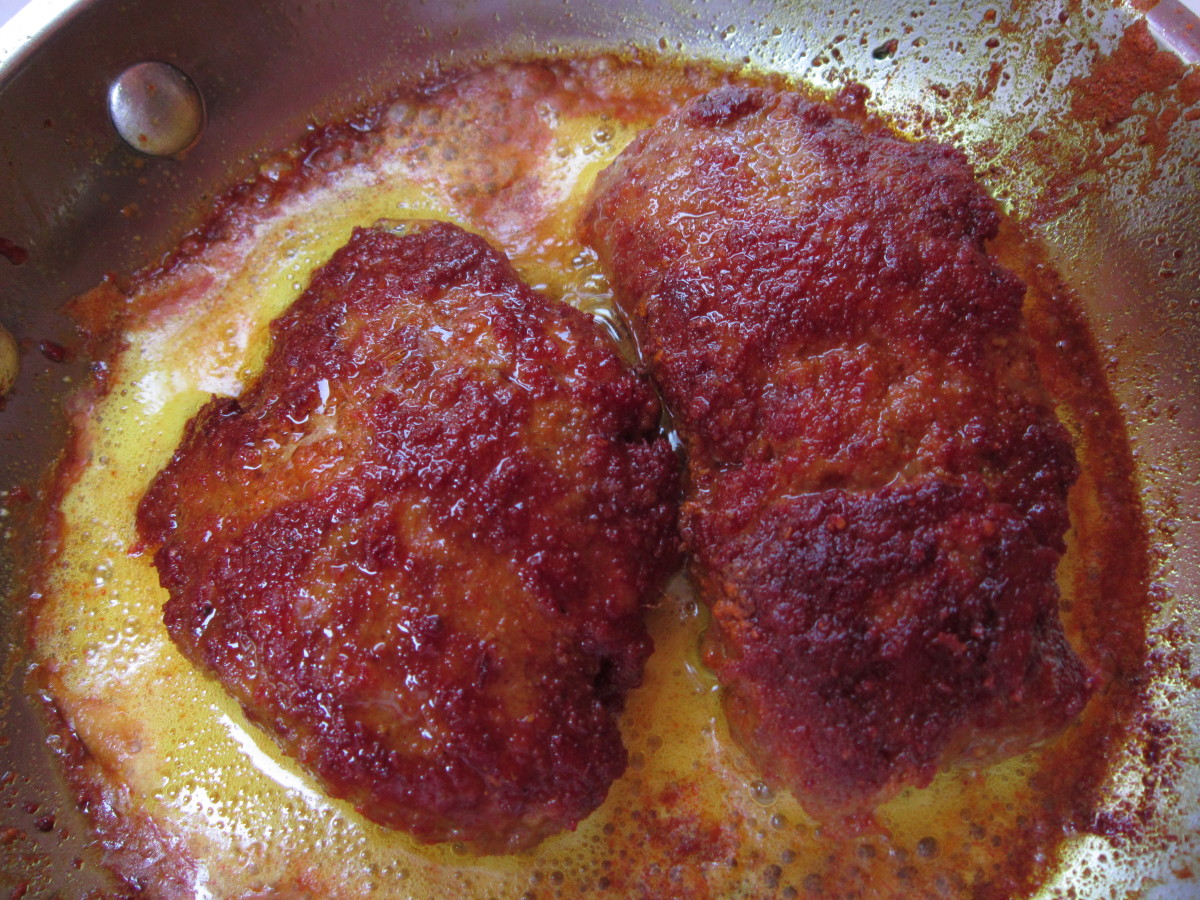
Turmeric is really good for us. It’s active, healthy ingredient is curcumin which has been shown to be an antioxidant, anticancer, anti-inflammatory, respiratory system protector and immune system aid. There is a specific way to get the most out of turmeric. First, it’s properties come alive when it is heated. Secondly, a bit of fat…
-
Saving the Bees and Butterflies
The numbers of bees and butterflies has fallen sharply in the past few years. Many think that it is because of the use of new pesticides (neonicotinoids) that were introduced in 2006. While many are working to make these pesticides illegal, the bees and butterflies really need our help to recover from these recent losses.
-
Ketchup
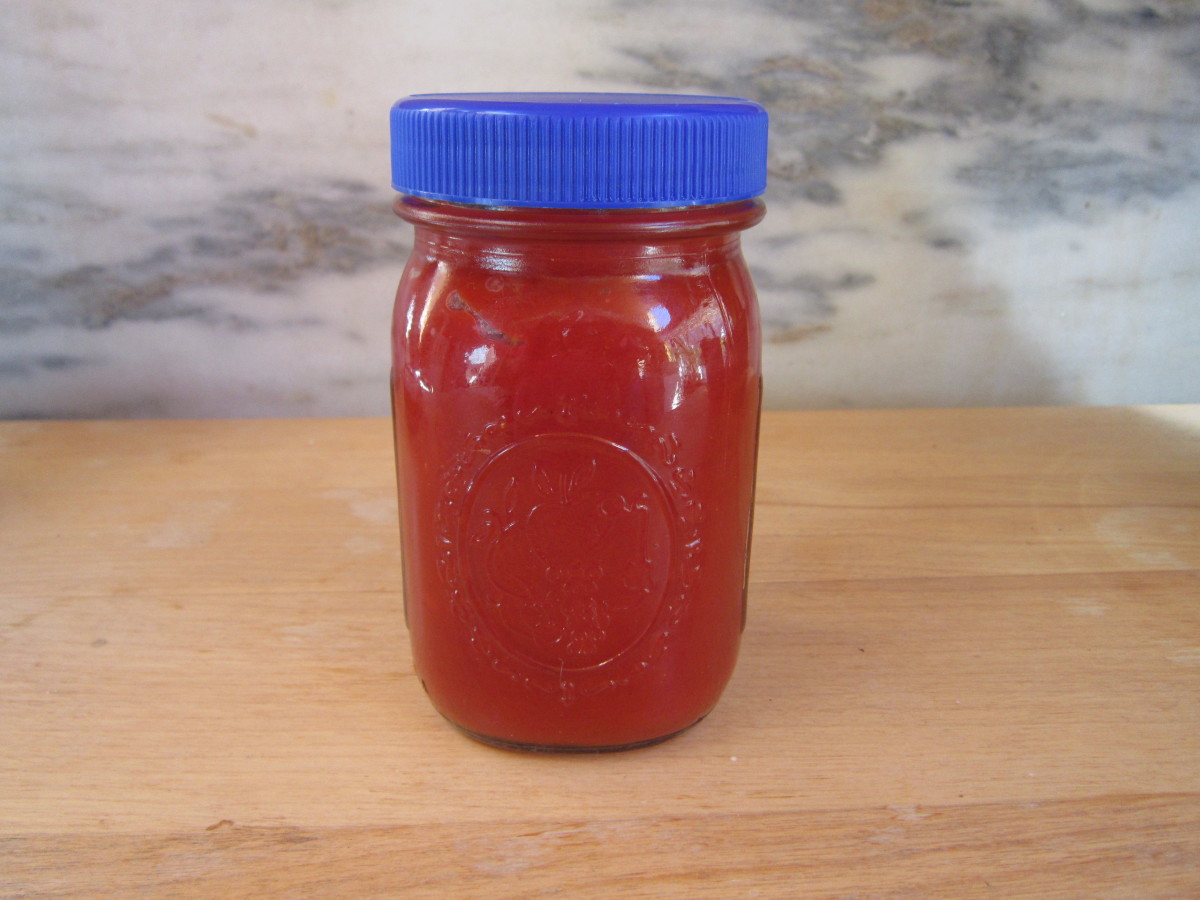
Condiments have been part of our diets for a very long time. However, our ancestors, without access to refrigeration, fermented all of their condiments. Mayonnaise, ketchup, pickles, relishes and sauerkraut were routinely subjected to this form of preservation. What they maybe didn’t know was that the fermentation of their condiments gave them tremendous health benefits….
-
-
Microwave Ovens Are Not Good for Our Health
Microwaves have become all the rage; most homes have at least one and break rooms now have them instead of regular ovens and stove tops. This is decidedly a bad idea. Microwaves cause the food to vibrate at very high frequencies. This changes the actual chemical makeup of the food creating nutrients that are unrecognizable…
-
-
-
-
-
Time to Buy Seeds
Seed catalogues are filling the mailboxes and it’s time to look through them and order your favorite varieties. There is actually quite a bit of information in these missives and you can learn a lot about gardening by spending time perusing them. Most will tell you how to grow different varieties, how long it takes…
-
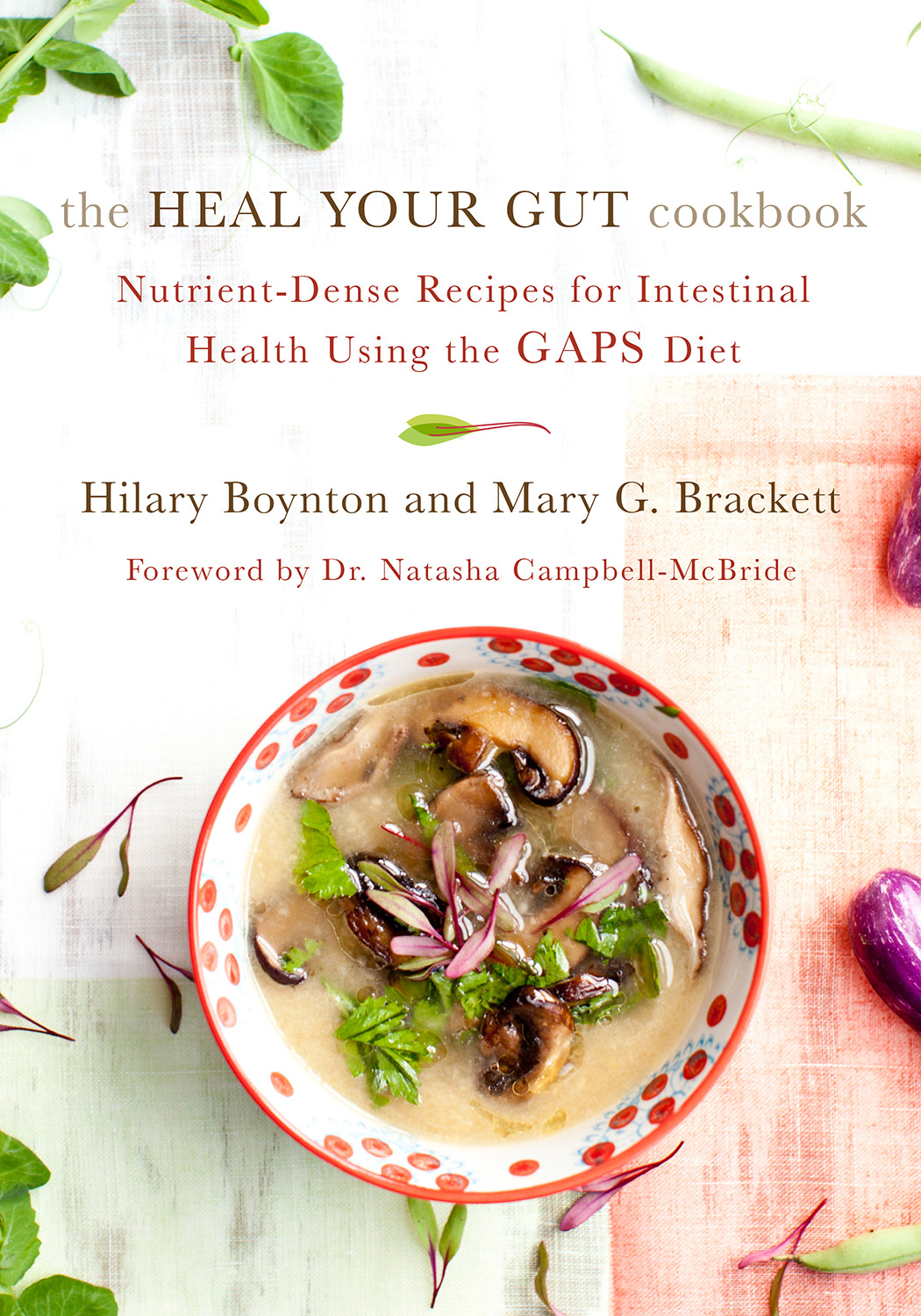
Book Review–Heal Your Gut Cookbook
Book Review The HEAL YOUR GUT cookbook Nutrient-Dense Recipes for Intestinal Health Using the GAPS Diet Hilary Boynton and Mary G. Brackett Published by Chelsea Green Publishing, White River Junction, Vermont, 302 pages. This is one unbelievably awesome book. It is brilliantly organized, beautifully photographed and very easy to understand. They start by telling Hilary…
-
Gluten and Dairy-Free Thanksgiving Sides
Gluten and dairy have become quite problematic for many individuals. What to do about the classic squash and mashed potatoes sides that need to come with the Thanksgiving turkey? Have no fear! There is a way to make these dishes without butter and have them be delicious. I want to thank my friend, Jenn Dafeldecker,…
-
-
-
-
-
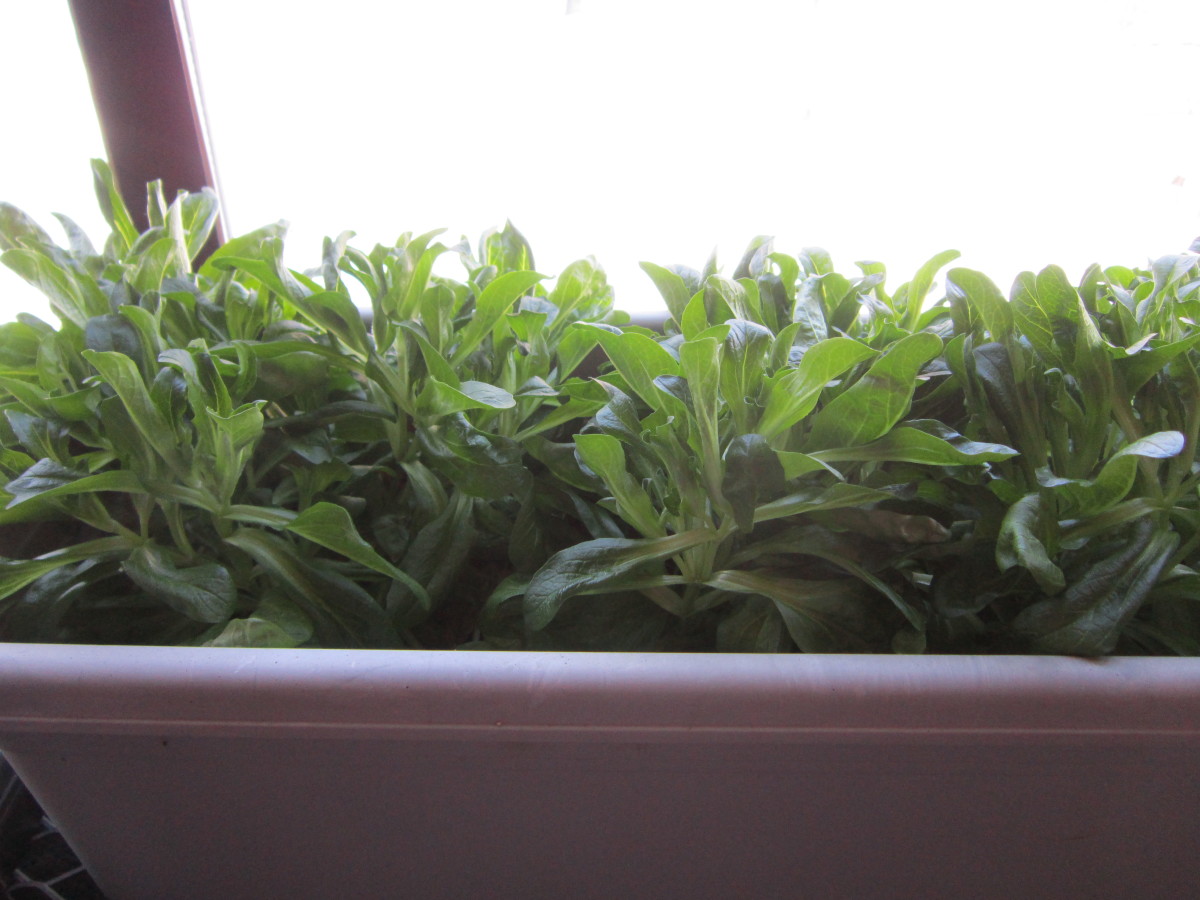
Planting Mache
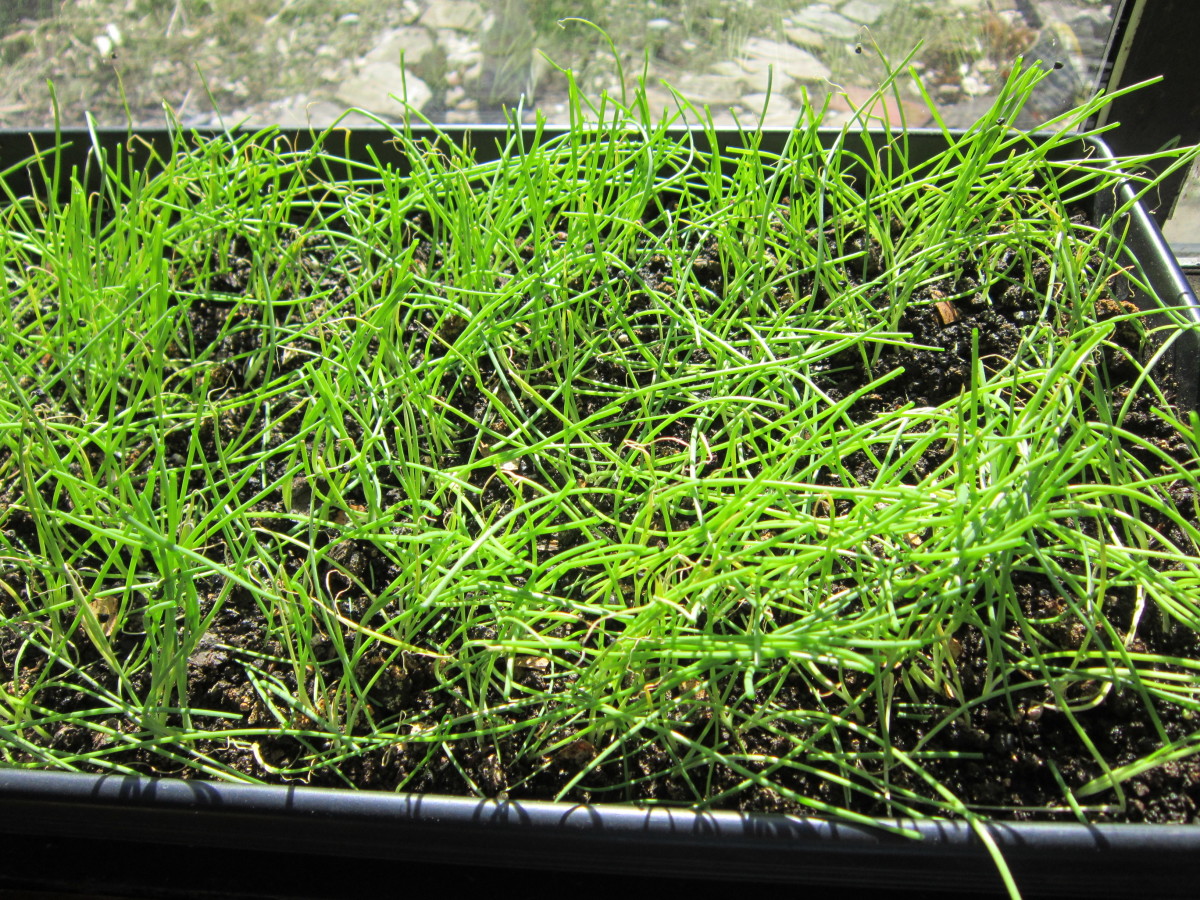
Mache is an extremely nutritious green that can be added to salads during the winter months. Here, in the northeastern U.S. where it is cold (and frozen), mache can be grown in a sunny window inside. This vegetable actually likes the cold—it won’t germinate until temperatures stay consistently below 70 degrees F. So it is…
-
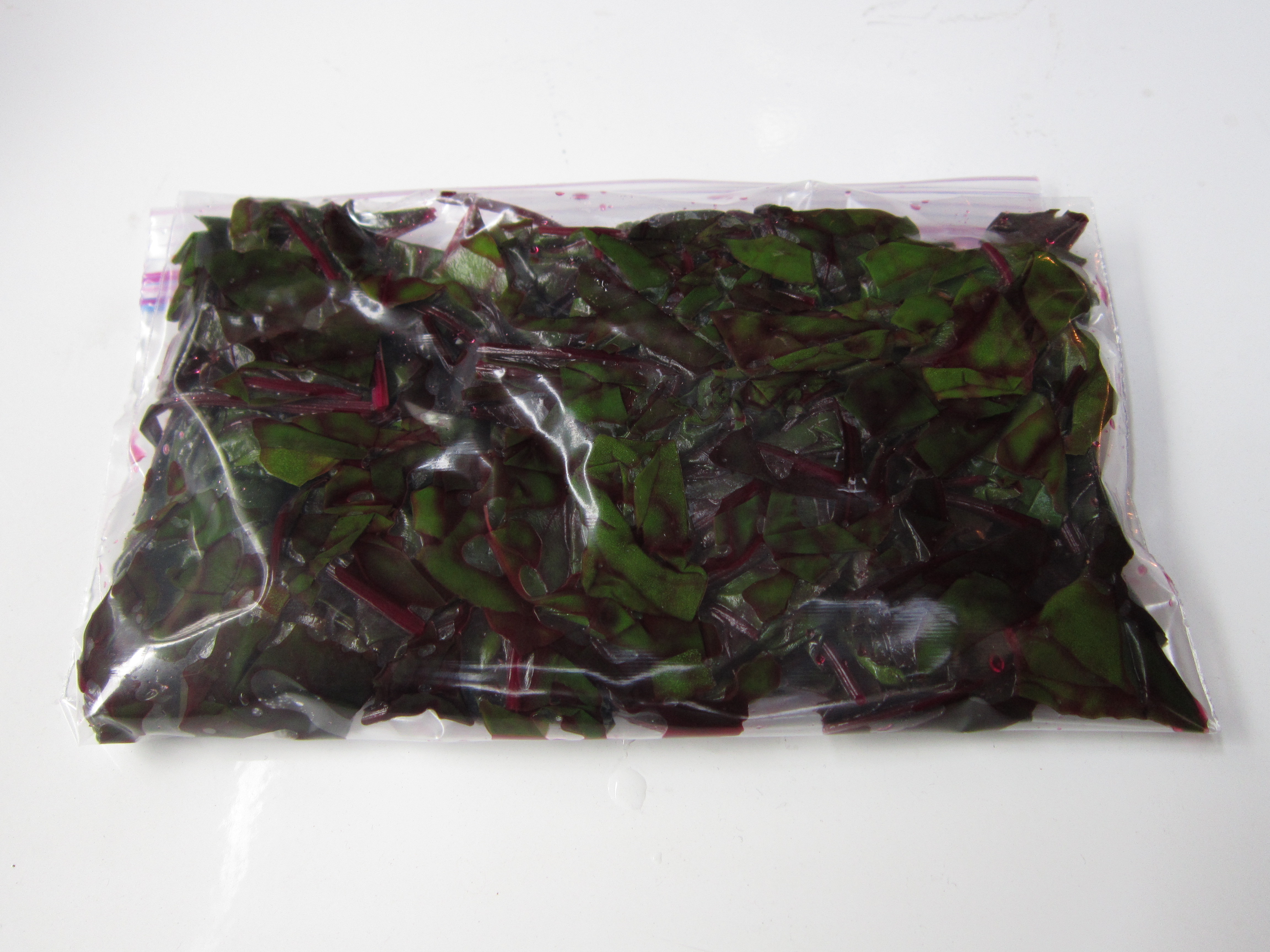
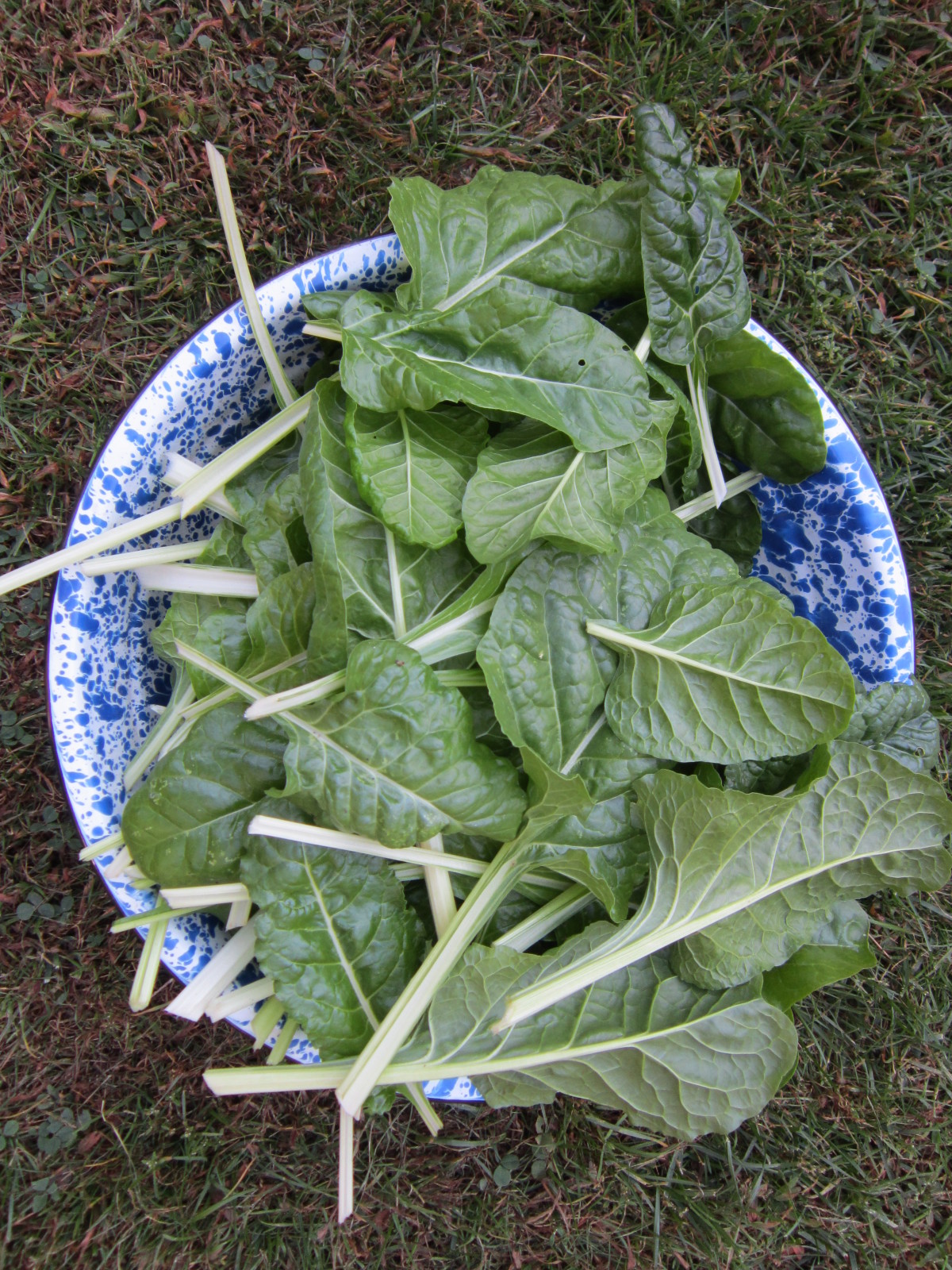
Freezing Greens: Spinach, Beet Greens and Swiss Chard
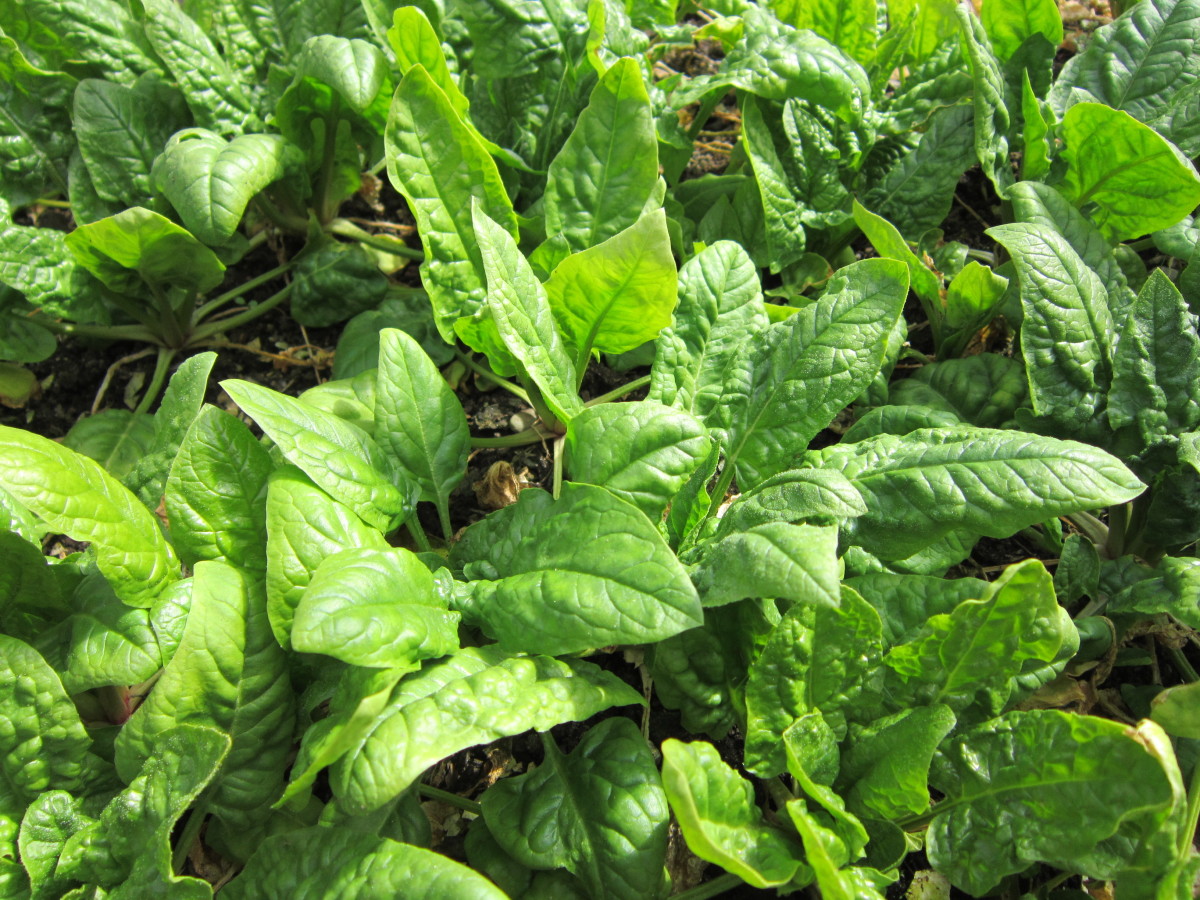
This is a great time of year to preserve some of the abundant greens in the garden or at the Farmer’s Market. While these high-vitamin, high-mineral goodies can easily be found right now, it is a different story when the world outside is frozen or blanketed with snow. Greens add a good deal of vitamin…
-
Time to Buy!
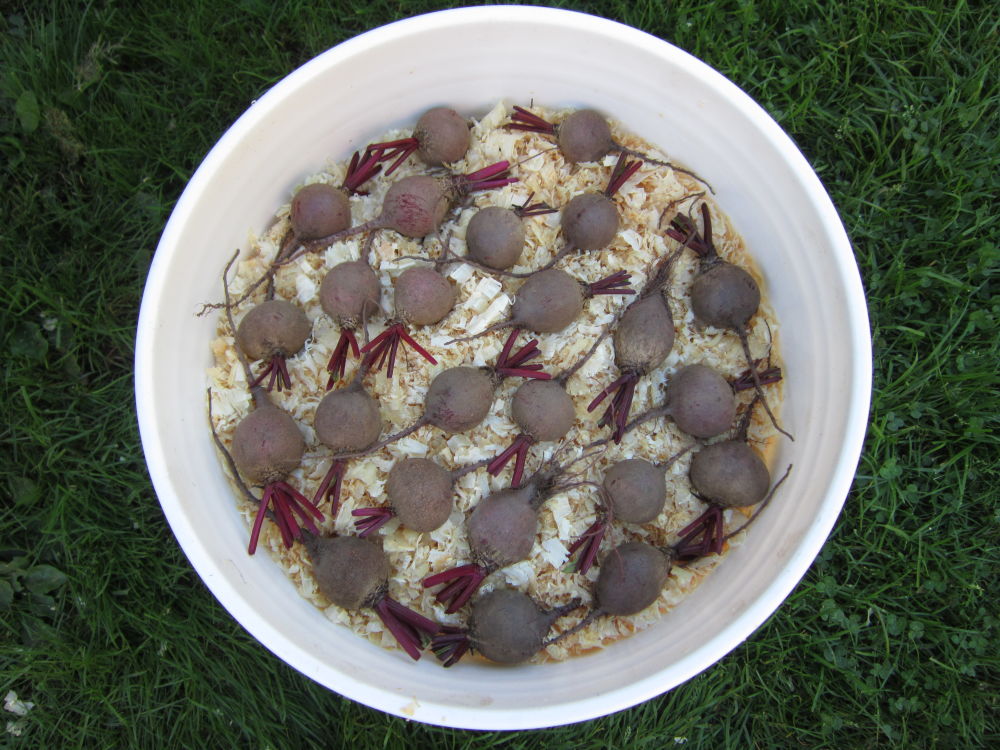
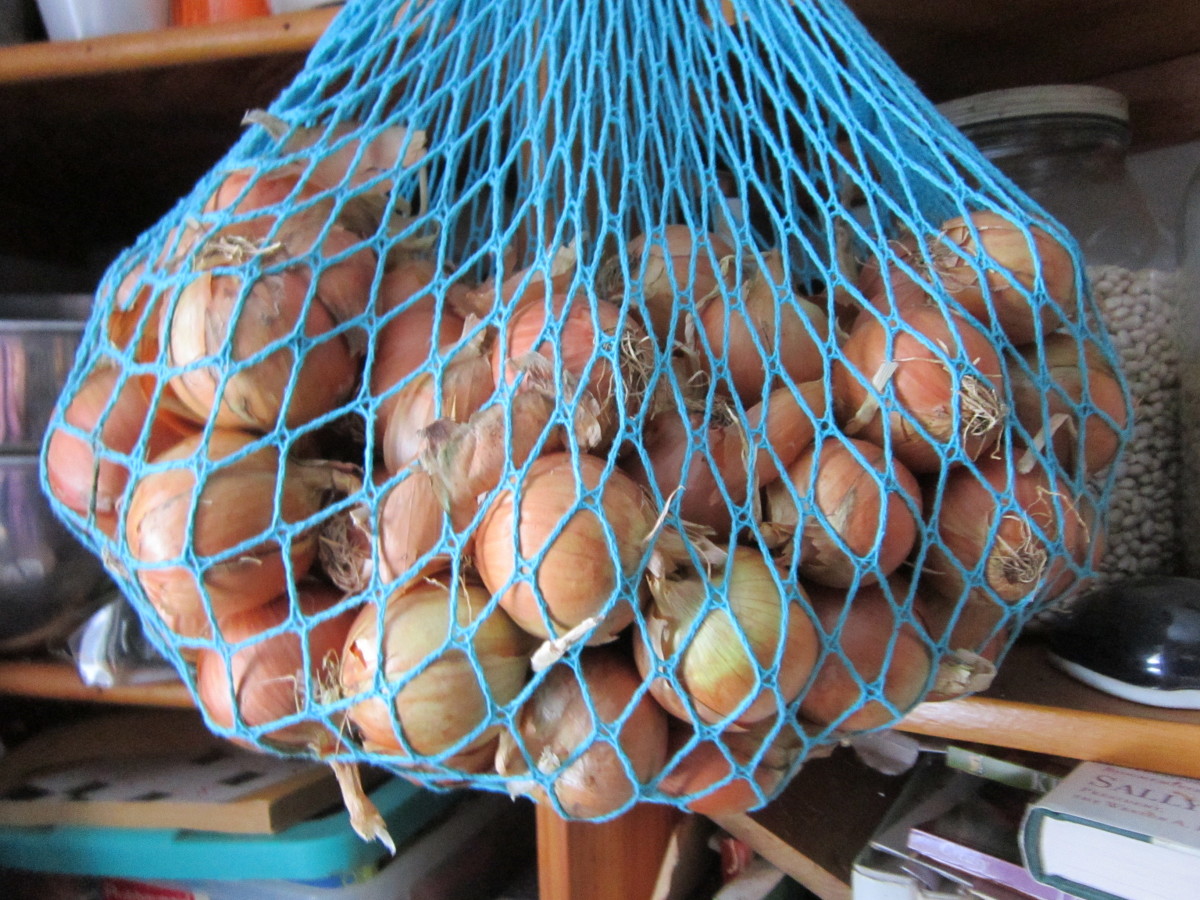
The Harvest Moon happens in September for a reason. Farmers everywhere (in the Northern Hemisphere) are gathering the fruits of their labor and stocking up their store shelves or bringing it to their Farmer’s Markets. Many will sell 25 or 50 pound bags of potatoes or onions that will keep all winter at bargain prices.