
Time to Plan the Garden
While winter isn’t quite through with us, spring really is right around the corner. Days are getting longer, bitter cold has lost its grip and garden catalogs fill our mailboxes. Soon we’ll be involved with our spring cleaning, readying the lawn furniture and digging out the hoses. If you haven’t plotted the garden plan or ordered your seeds yet, now is the time to do it.
Gardens are such lovely places to be in the summer. Flowers bloom, herbs create scents and vegetables become a culinary delight. But gardens also need a lot of tending; seeds must be planted, watered, weeded, thinned and sometimes supported. It’s time-consuming and demanding. But worth all the effort.
The first thing to do is to plan the garden. Plants need to be rotated so that the earth can divulge different nutrients and any pest’s favorite food isn’t always in the same place. It’s a good idea to have a three-year rotation. That means each kind of plant only goes into the same bed once every three years. And plants have families. Think of them like cousins, not the same, but similar.
The families are as follows:
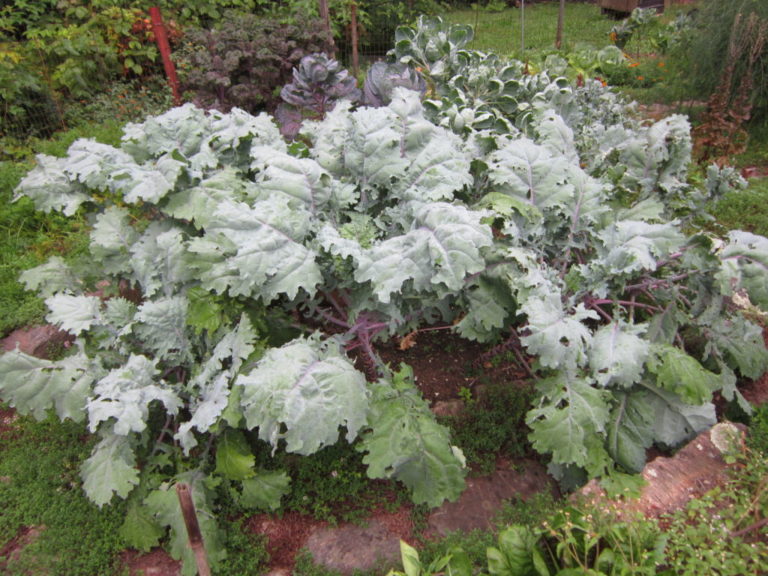
Cruciferae: Includes all of the brassicas—cabbage, broccoli, Brussels sprouts, cauliflower, kale, turnips, rutabaga, kohlrabi and radishes.
Solanaceae: Is often referred to as the nightshade or tobacco family. It includes tomatoes, potatoes, eggplants and peppers.
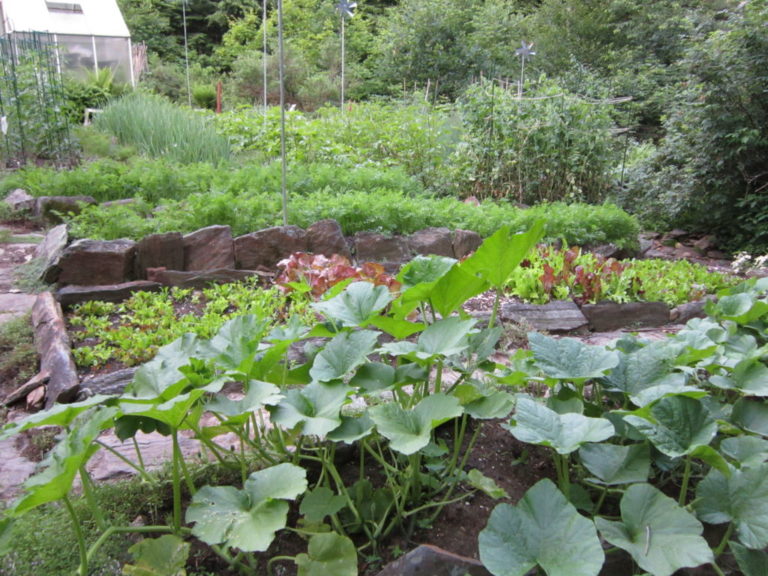
Cucurbitaceae: Includes cucumbers, squash, pumpkins, melons and gourds.
Umbelliferae: Includes carrots, parsnips, celery, parsley and dill.
Leguminosae: The pea or legume family which includes all the peas, beans, peanuts and clover.
Compositae: Most of the salad greens including lettuce, endive and chicory.
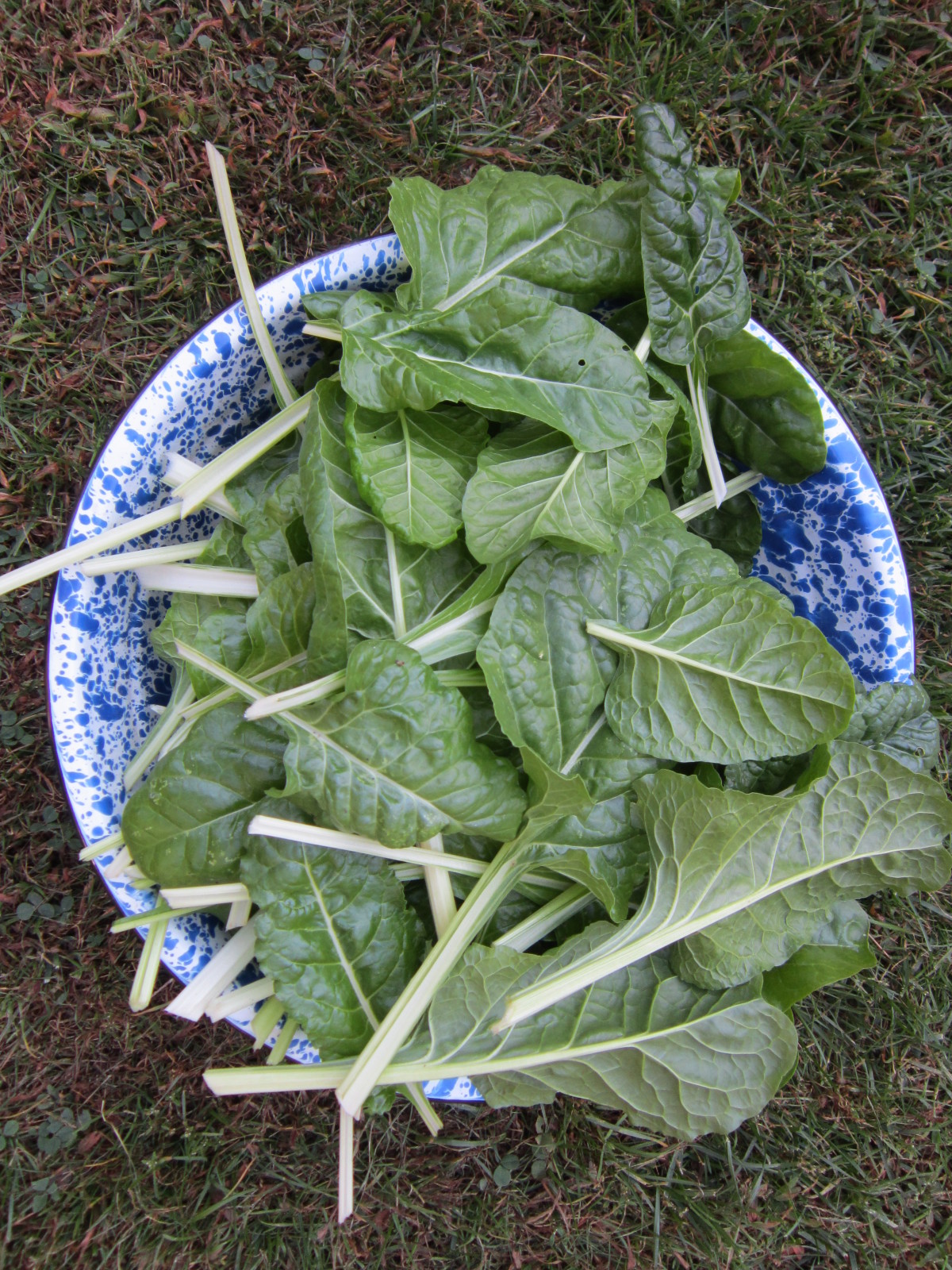
Chenopodiacease: Contains spinach, Swiss chard and beets.
Alliums: All of the onion-type vegetables including chives, shallots, leeks and garlic.
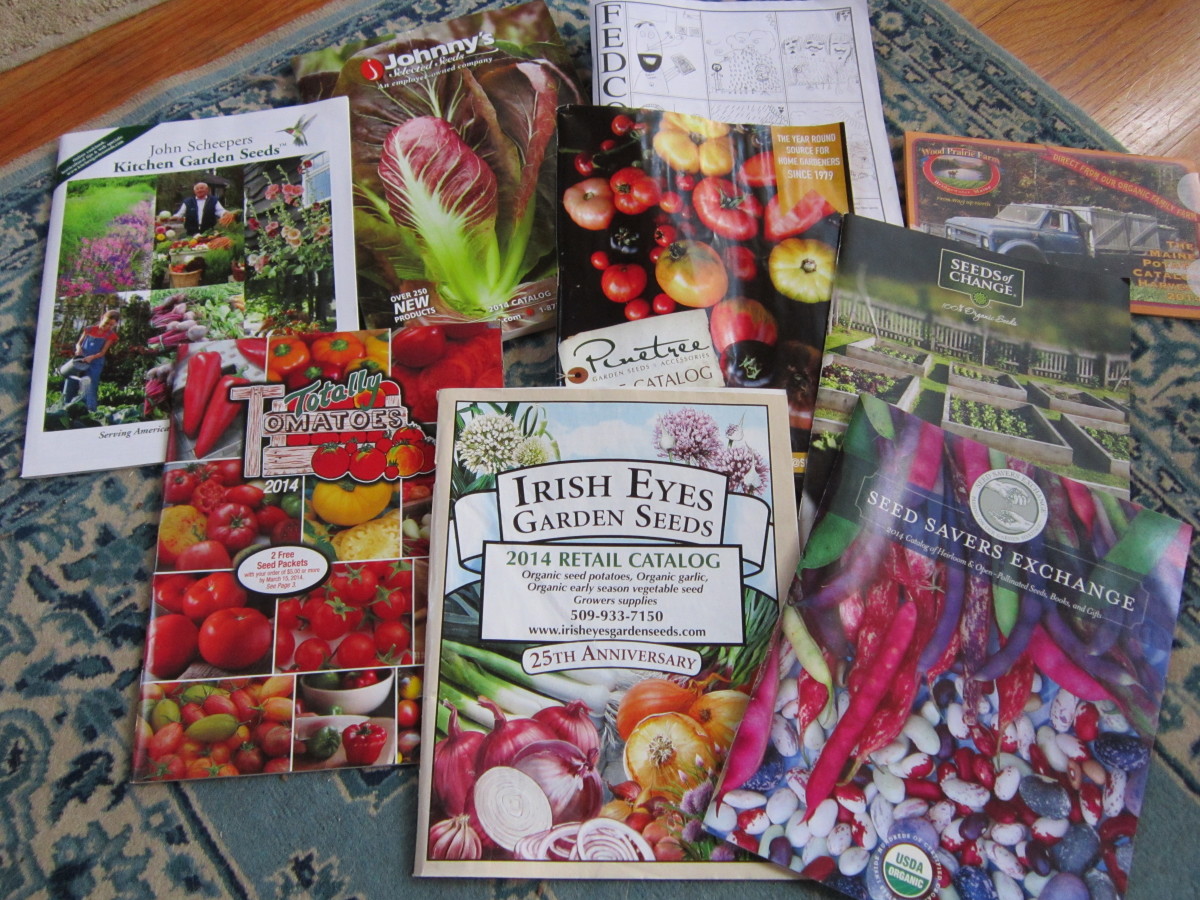
Now is also the time to order seeds if you haven’t already. Seed companies often run out of certain varieties so the sooner you can do this, the better. Here’s a few of my favorite seed companies. These specific catalogs are from two years ago, but they will send you current ones if you ask them.


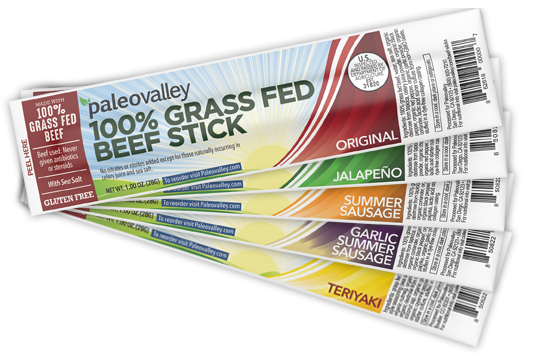
These 100% grass fed beef sticks are also FERMENTED!!! And really delicious!
I’m a gardener and garden on a large scale normally; this year though I’ve had a slight set back medical wise, an amputation of my left foot big toe got infected and had to be removed, so this has set me and us back some, it’s a bit hhard getting around still. Since we’ve moved our space is also limited until we can relocate to where we can once again be in a position to planting our large garden areas. Canning,preserving is a must here in Canada as prices have jumped so high that the best way to have a good life is to do preserves. Some we sell but most we store for the cold long winters. I’m still adding on to our website with info.