The Importance of Organ Meats
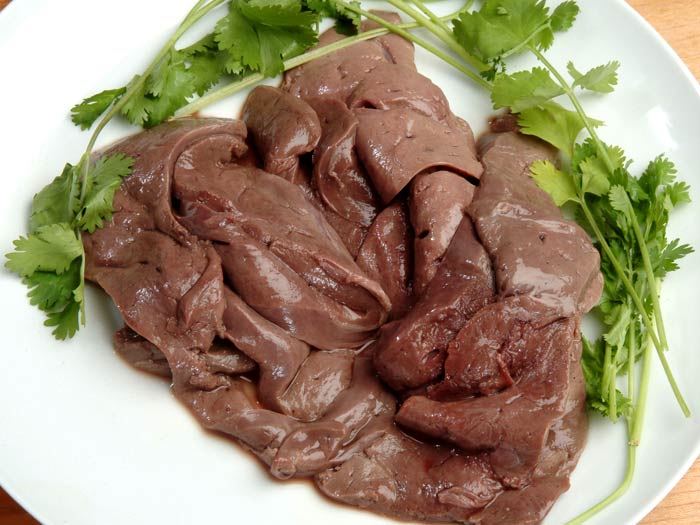
Nearly all traditional cultures valued organ meats. They were often the first parts eaten of any animals that they ate because of their ability to build reserves of strength and vitality. Unfortunately, in today’s world, we have lost the flavor for these things and they are exceptionally difficult to find.
Consider, though, that these meats are very high in vitamins A, D, E and K. They are also high in iron, protein, B12, folate, magnesium, selenium, copper and zinc. They are a rich source of antioxidants which help our own bodies remove toxins, too.
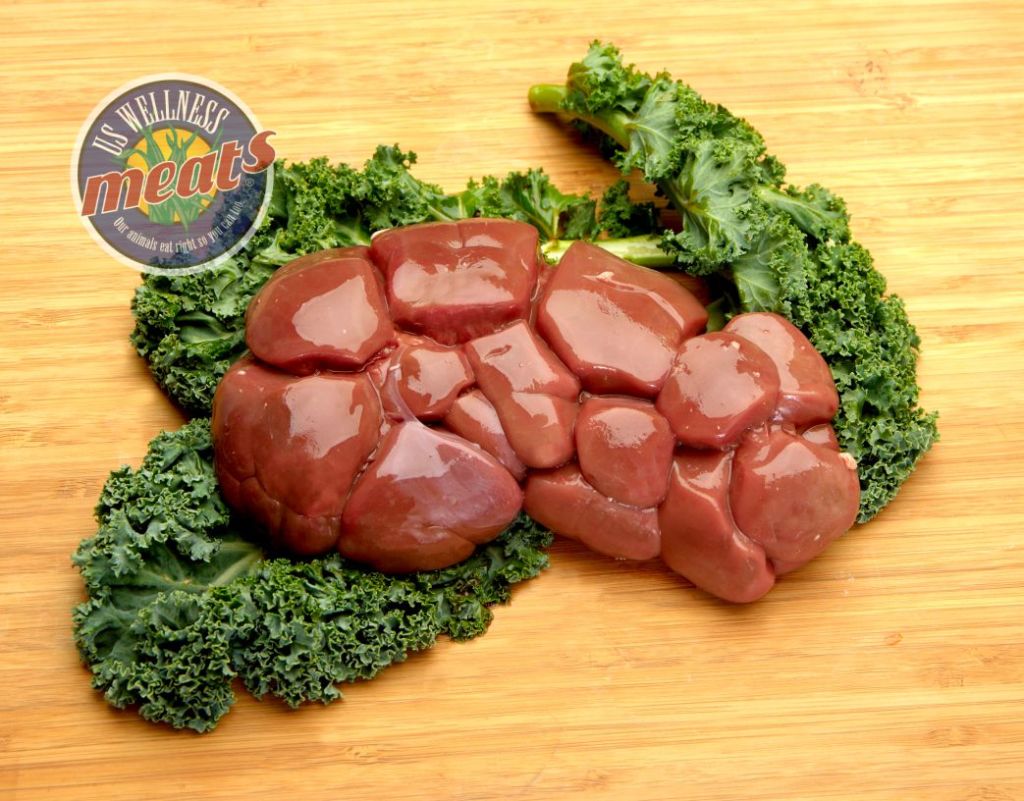
Some people are afraid of them because of the fact that they are filters for the animals that they came from. However, while they do filter toxins, they don’t store them. In fact, they store many vitamins and minerals in order to get this job done.
Interestingly, in the mid 1900s, zoo animals were actually unable to reproduce. On a trip to Africa, a wild animal specialist from the London zoo observed a lion kill. He saw the lion kill a zebra, then tear it open to eat the internal organs. After voraciously feeding on these organs, the lion backed away and left the rest for the jackals. Zoos immediately began feeding liver and other organs to their animals and they became able to reproduce.
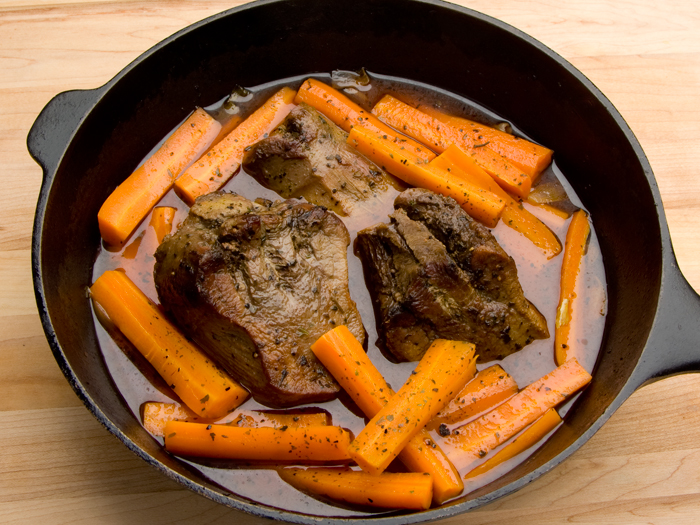
Because I do not regularly consume organ meats, I take a supplement that is made from 100%, grass-fed organs. They come from Paleovalley—a company that produces only quality products. They are currently offering 10% off if you use the code: CELESTELONGACRE10 at checkout.
When I do want to eat organ meats, I buy them from a local farm which pastures their animals and feeds them an organic diet. If you don’t have access to this type of farm, you can order them from US Wellness meats. It’s a great idea to get on their mailing list as they offer discounts every week. They also have products like good quality lard and tallow which is hard to find other places.
And, their liverwurst is to die for. Read my recipe on their web site.

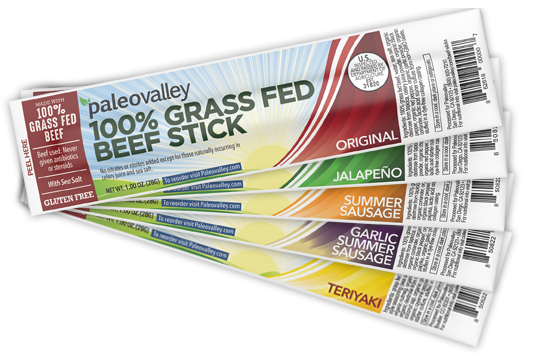
These 100% grass fed beef sticks are also FERMENTED!!! And really delicious!