
Ketchup
Condiments have been part of our diets for a very long time. However, our ancestors, without access to refrigeration, fermented all of their condiments. Mayonnaise, ketchup, pickles, relishes and sauerkraut were routinely subjected to this form of preservation.
What they maybe didn’t know was that the fermentation of their condiments gave them tremendous health benefits. These dishes possess not only digestive enzymes, but lots of probiotics. By adding a bit of relish or mayo to their meals, they were gaining a better ability to digest them. And, they were populating their entire digestive tracts with helpful bacteria—the kind that keeps out the bad guys.
It might be wise to return to this practice. Our immune systems love getting help from this friendly bacteria and it could mean getting sick a lot less often.
So here’s a recipe for fermented ketchup:
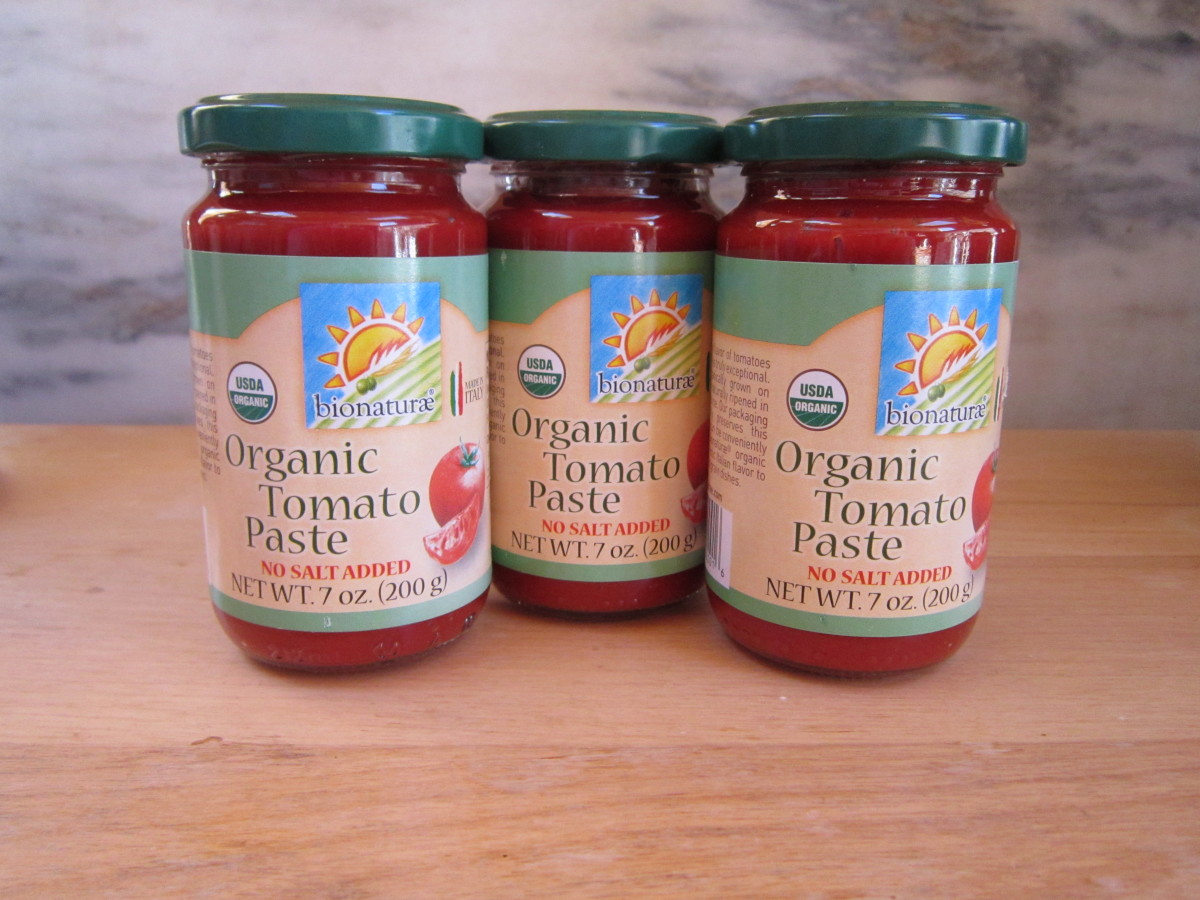
2 cups tomato paste (I like bionaturae because it’s organic and comes in a glass jar—2 jars will do it)
3 Tablespoons maple syrup
¼ cup and 2 Tablespoons home-made whey
2 Tablespoons apple cider vinegar
1 teaspoon salt
¼ teaspoon cumin
¼ teaspoon turmeric
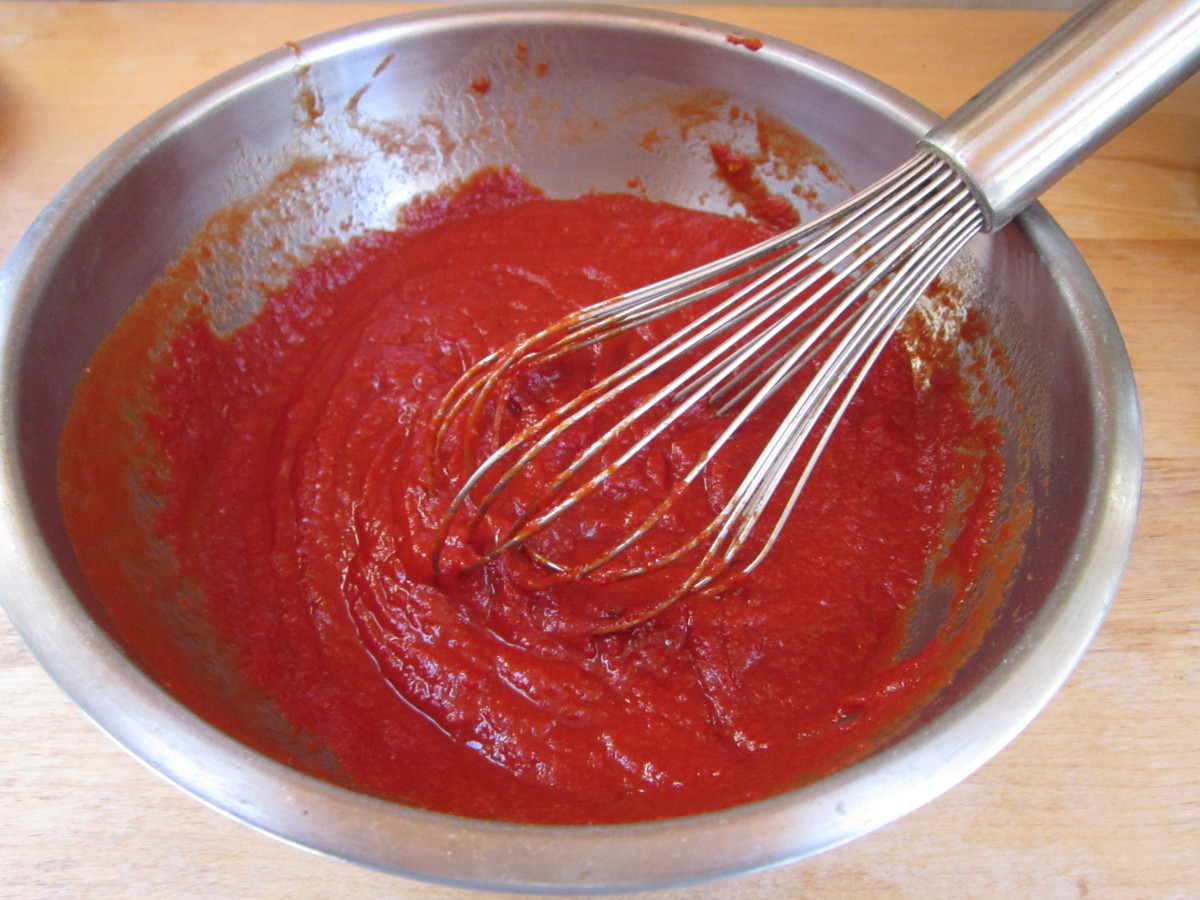
Put the tomato paste and maple syrup in a bowl. Blend in ¼ cup whey, vinegar, salt and spices until it is very smooth.
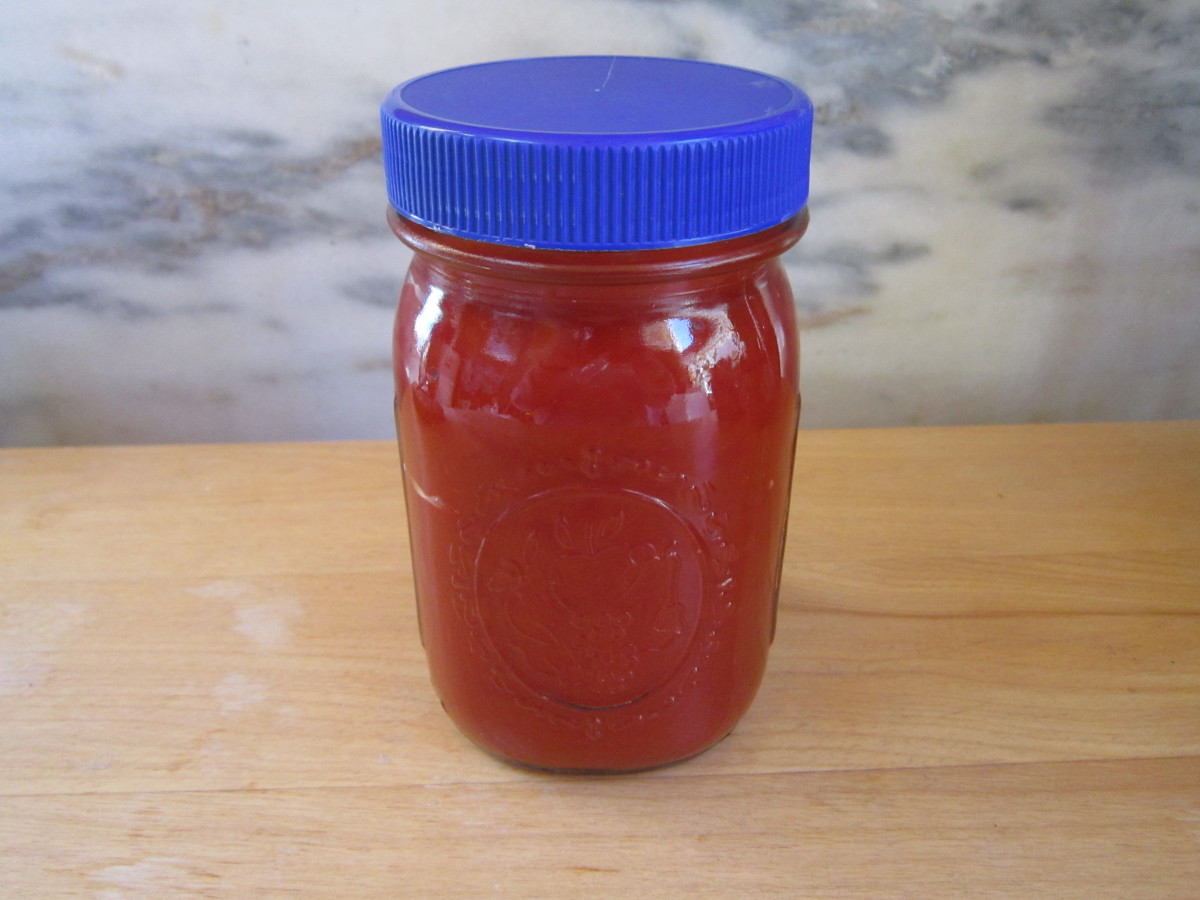
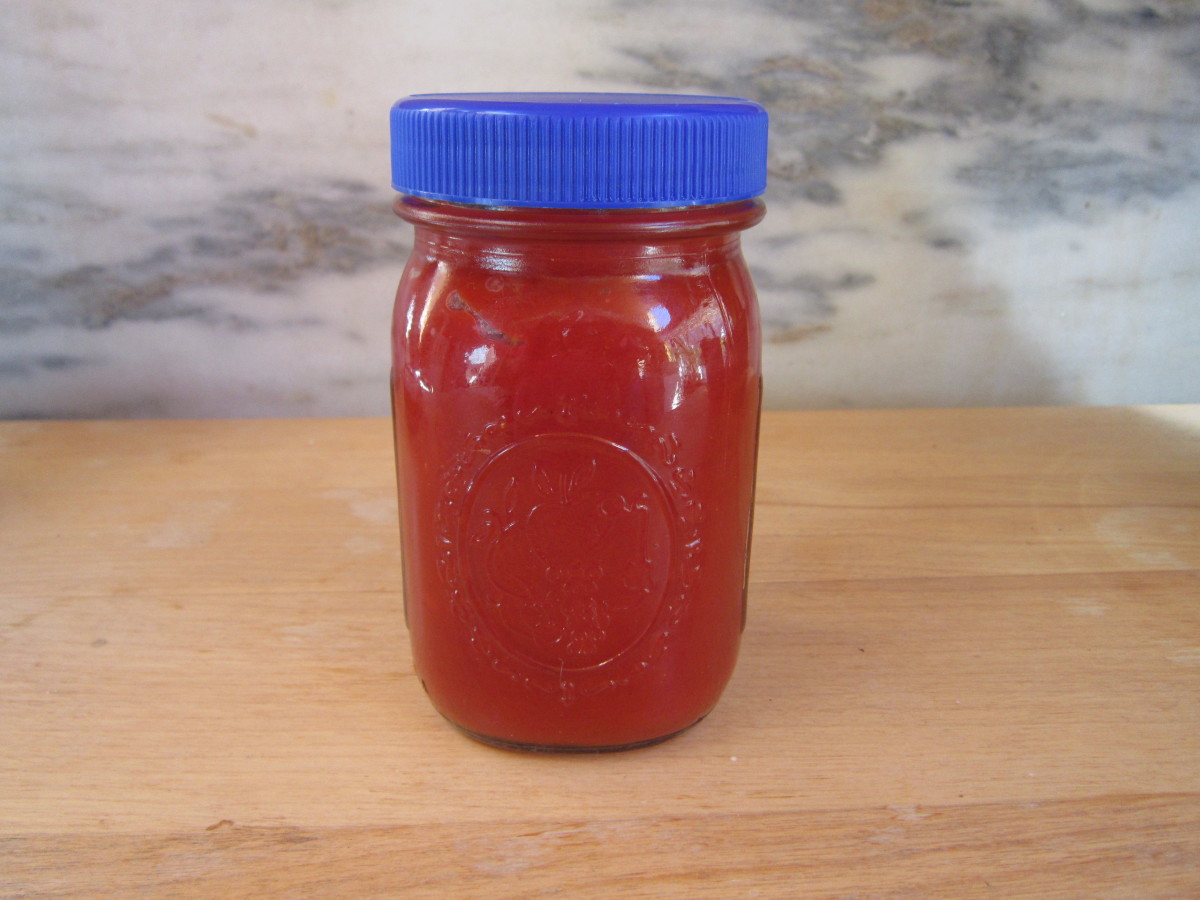
Pour into a mason jar, topping it off with the remaining 2 T of whey and cover tightly.

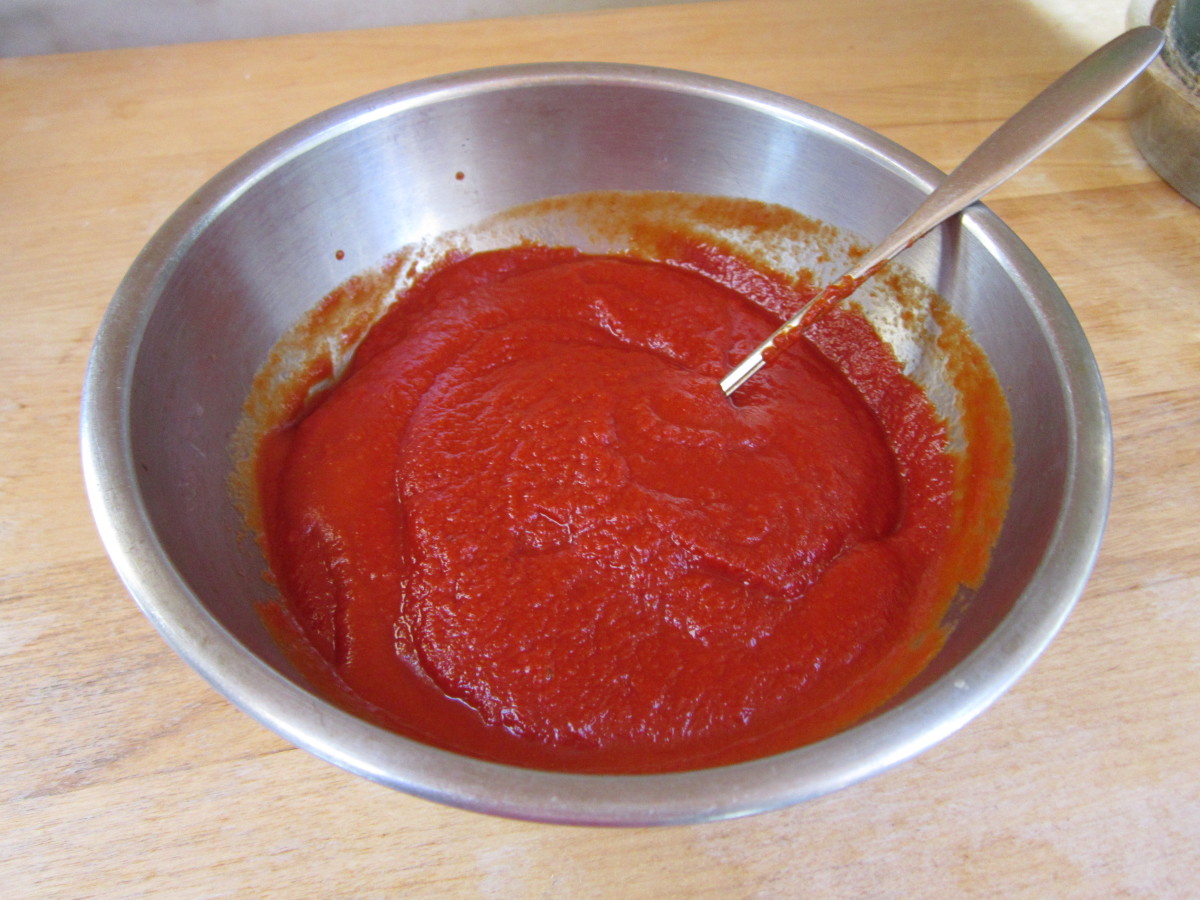
Let this sit on your kitchen counter for 4 or 5 days. At this time, pour into another bowl and stir everything together.
Put it back into the mason jar and refrigerate. This should keep in the refrigerator for a couple of months.




Home made whey is the ingredient called for but the recipe doesn’t describe how to make it.
Hi Frances,
Whey can be made from raw milk or yogurt. The milk needs to be set aside on the counter until it separates. Then strain it through a strainer lined with cheesecloth. You can strain the yogurt right away–get full fat for the best nutrition.
How do I make the whey? I want to make this ready for my holiday vacation! 🙂
Hi Diane,
You can make whey from raw milk or yogurt. The milk needs to sit on the counter for a few days until it separates. Yogurt can be used right away. Pour it through a strainer lined with cheesecloth over a bowl. The curds stay in the cheesecloth and the whey comes through. Full fat yogurt is best.
Hi
this sounds great but I think there’s some info missing. how much tomato paste, maple syrup & vinegar etc?
thanks
Hi Doug,
Look again. The information is all there.
I have an allergy to whey. Is it possible to use something else to ferment it, like possibly sauerkraut juice??
Hi Diane,
You don’t need to use whey–you can just use the salt. It won’t keep as long and it should be put in the refrigerator right away.
Can I skip the whey? I am lactose intolerant? Is there a substitute?
Yes, you can skip the whey. The salt is the important ingredient.
Does it rely on the hope of wild yeast infection then? Fermentation is the consumption of sugars by yeast. I’m not understanding how this is being fermented?
How much yogurt is needed to make 1/4 cup whey?
Hi Fran,
I don’t know for sure as I make my whey from milk. However, I think that you could probably get 1/4 cup from a 1 pound container. If you give it a try, let us know!