
Freezing Greens: Spinach, Beet Greens and Swiss Chard
This is a great time of year to preserve some of the abundant greens in the garden or at the Farmer’s Market. While these high-vitamin, high-mineral goodies can easily be found right now, it is a different story when the world outside is frozen or blanketed with snow. Greens add a good deal of vitamin A, calcium and iron to the diet; always best when consumed in food rather than in supplements.
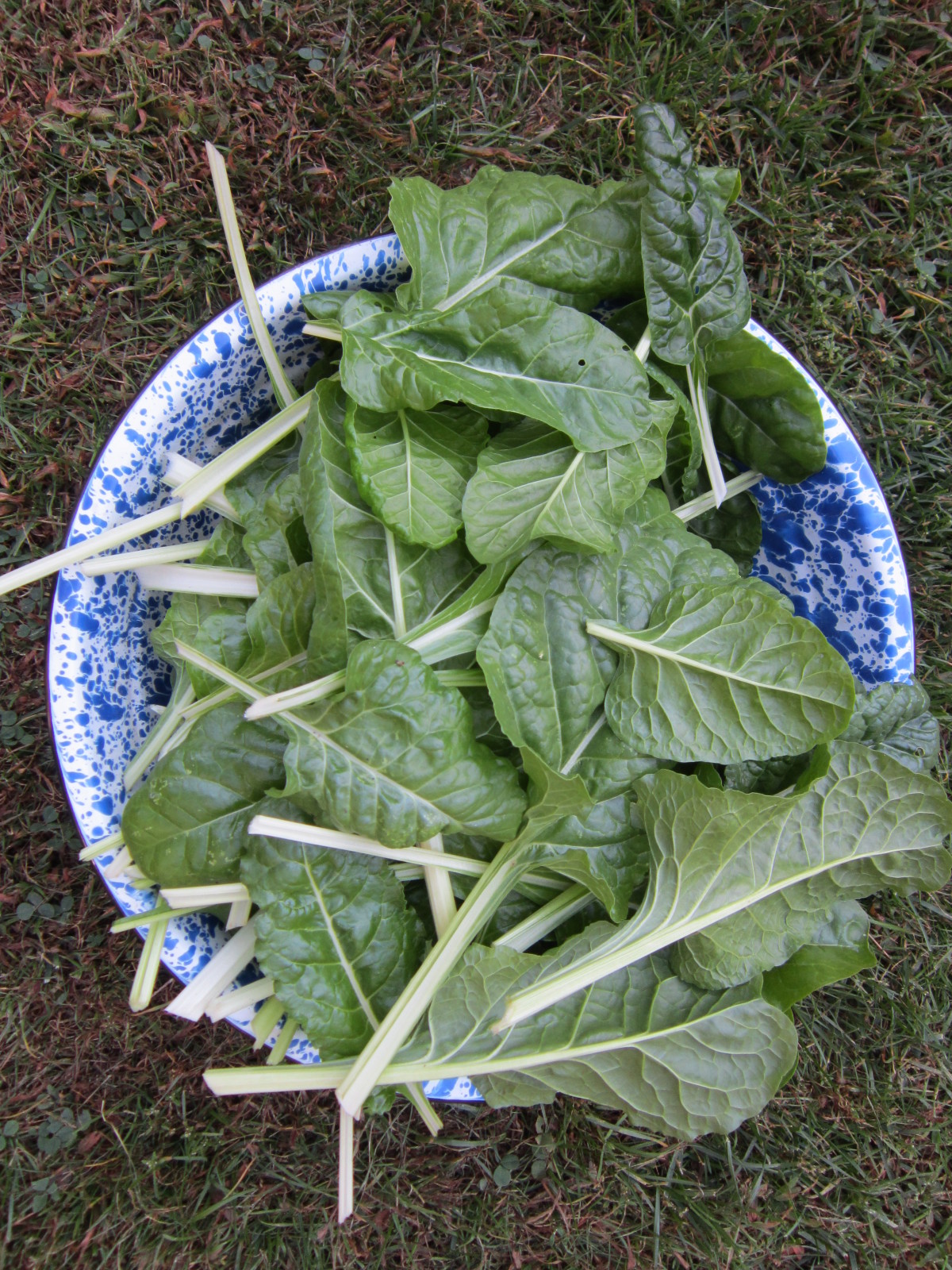
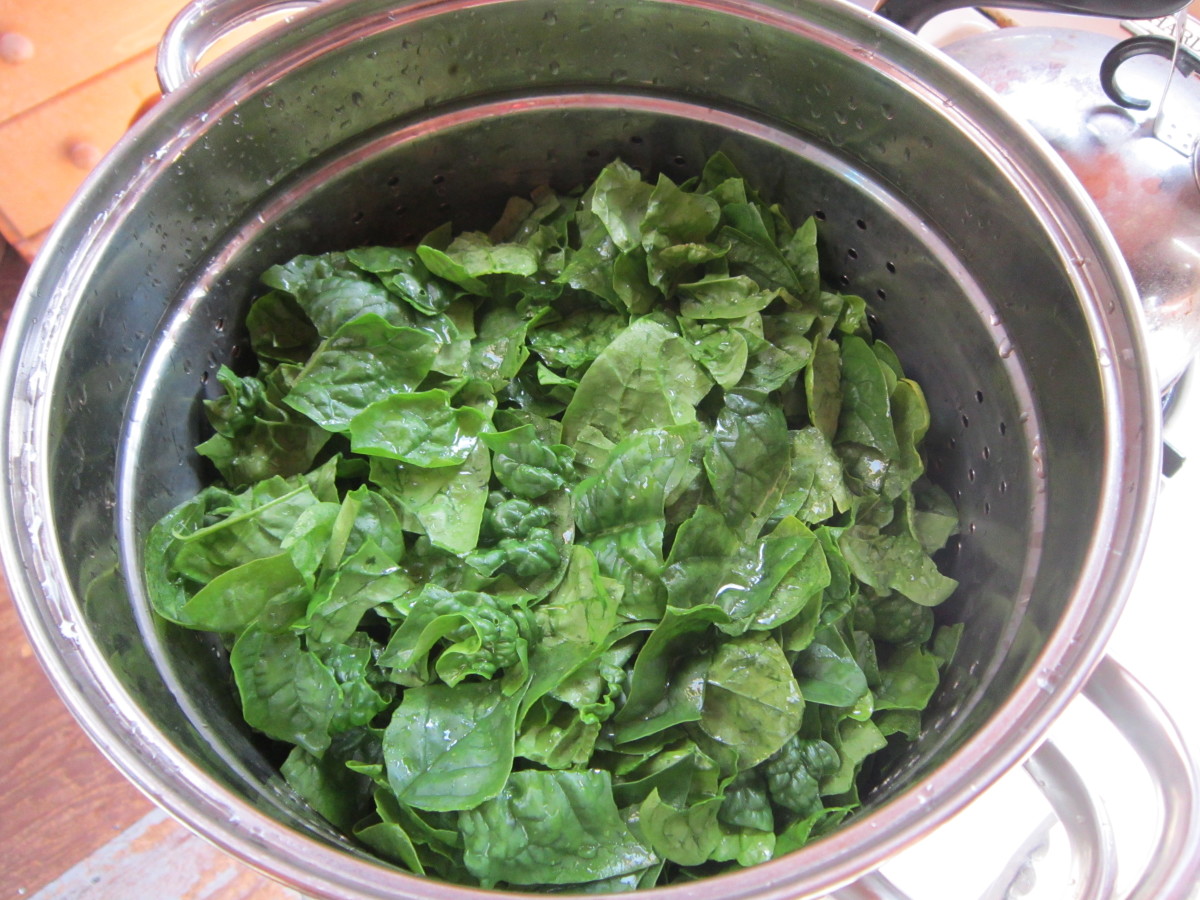
Greens are very easy to freeze. Pick them from the garden or purchase them from your favorite farmer. Wash carefully and tear into small pieces removing the stems and ribs (place these aside). Put the greens in a large steamer and cook—stirring often—until wilted.
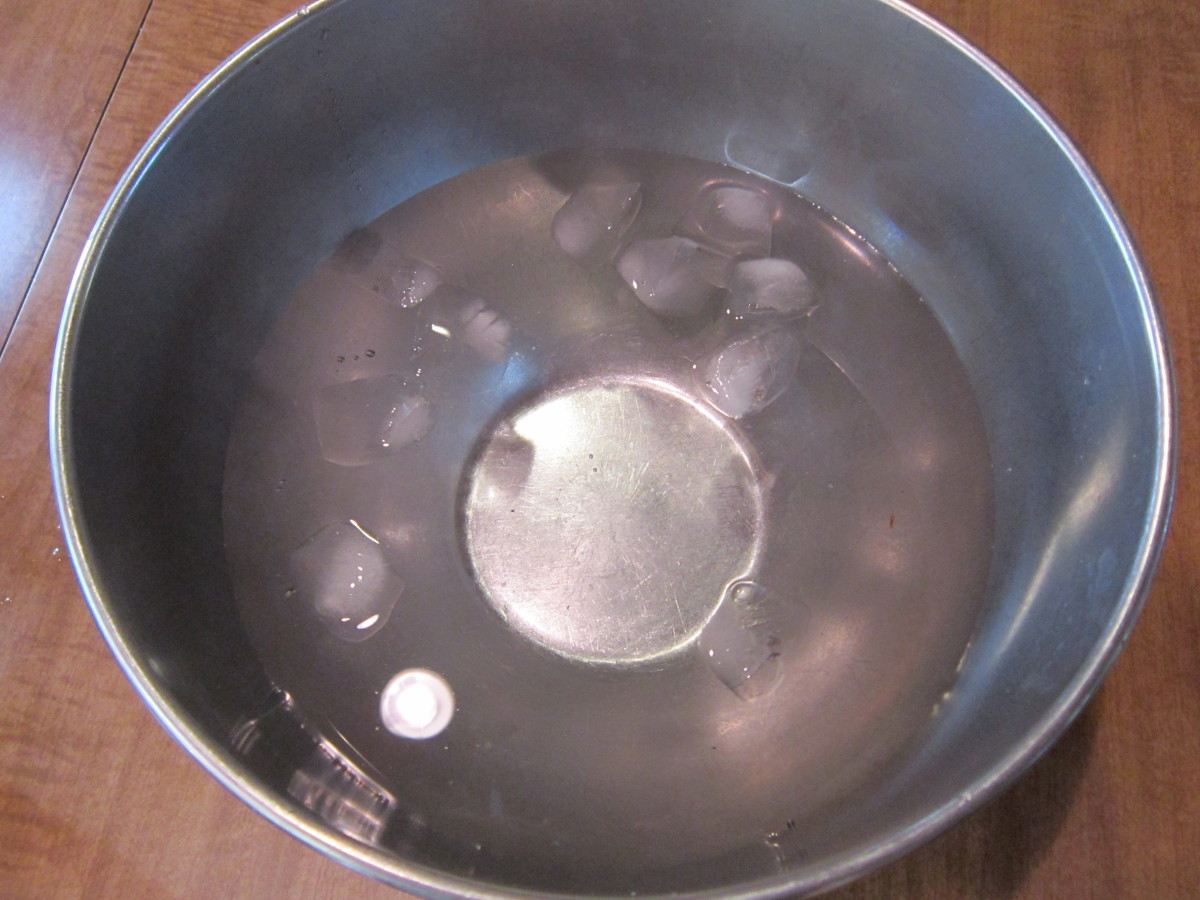
Now comes the tricky part as these greens need to be cooled before being placed in freezer bags. The first time that I did this, I filled my salad spinner with ice water and plopped in the greens. The water immediately turned a light green and I realized that there went my water-soluble vitamins and minerals. To solve this problem, the next time I used two different bowls. In a large bowl, I placed ice and water.
Into a smaller bowl went the greens. Placing the smaller bowl into the larger one, I was able to cool down the greens without losing their valuable components.
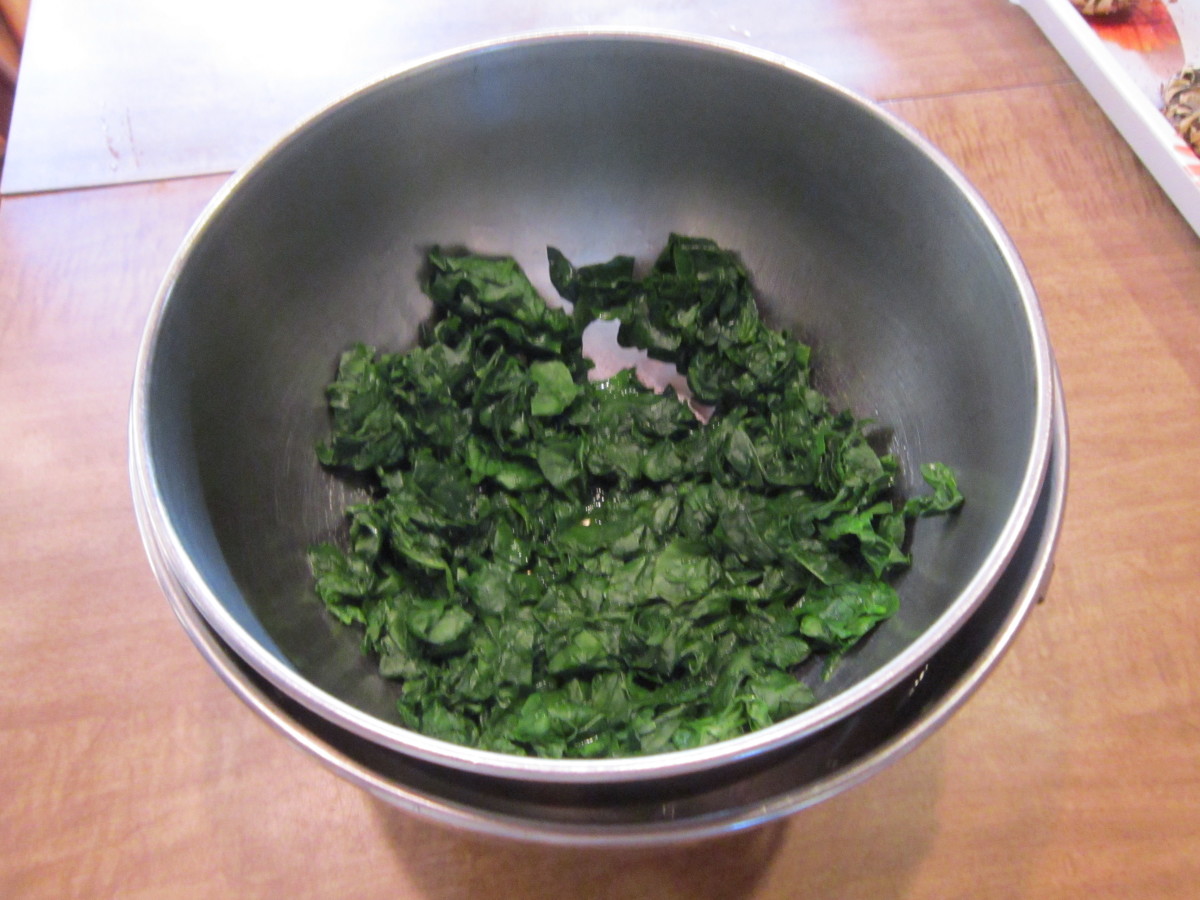
These were then packed into freezer bags, arranged flat so that they could stack well and into the freezer they went.
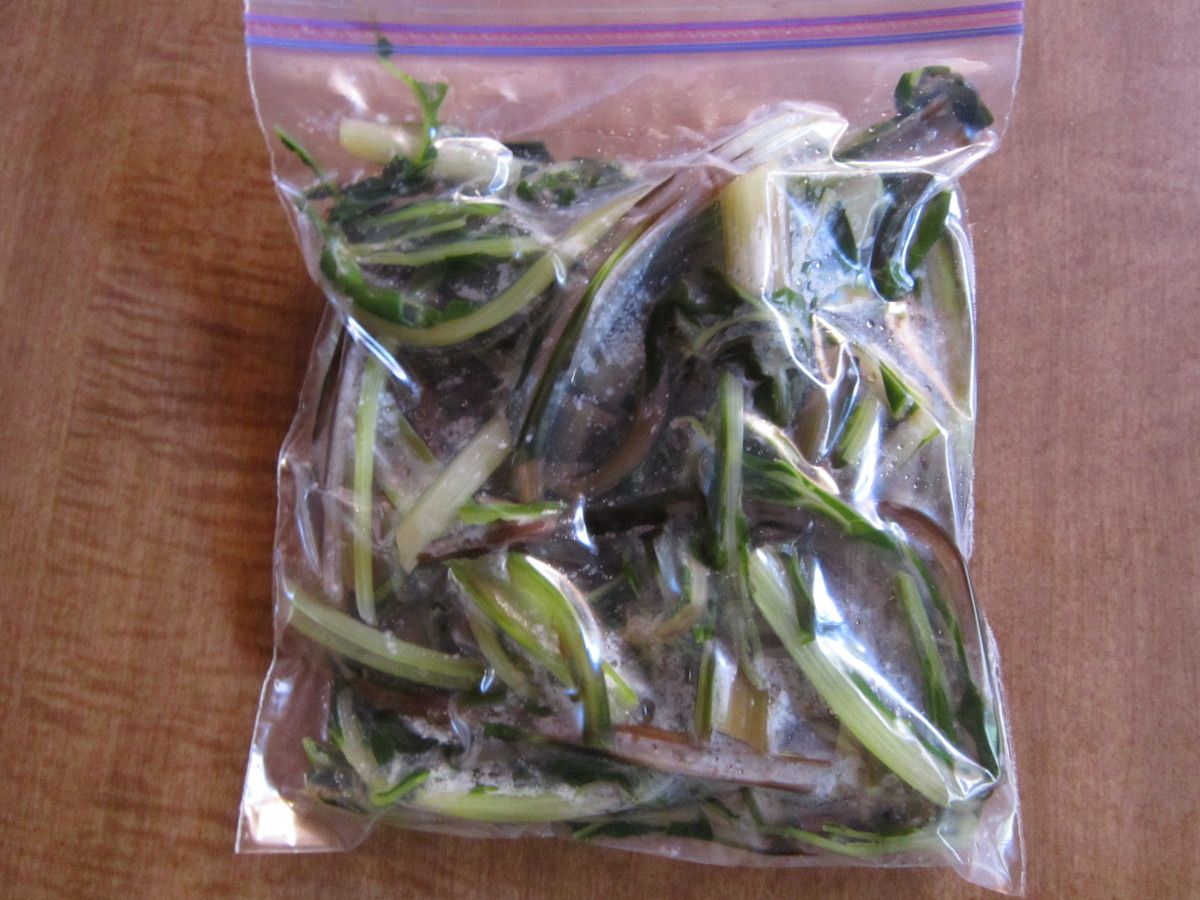
The same process works for the stems and ribs (although they don’t need to be completely wilted). These can be nutritious additions to soup stocks so I put them into bags labeled “soup.”
During the winter, it’s lovely to have these greens to add to a quiche or serve as a side dish. The very best food comes from where we live and this is a good way to ensure that our own diets are healthy.

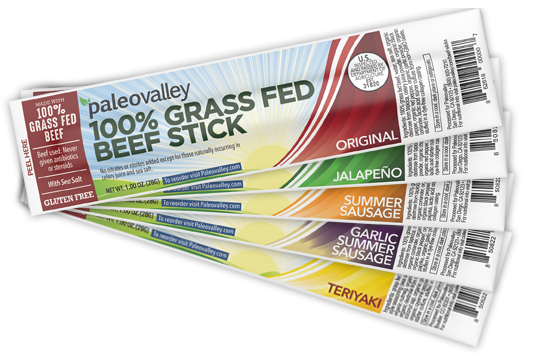
These 100% grass fed beef sticks are also FERMENTED!!! And really delicious!

Why cant I freeze them with out cooking first ?
Hi Bess, There are some organisms which will deteriorate the produce which can be eliminated by blanching them first.