Storing Gladiolas for Winter
In many parts of the country, gladiolas can be left in the ground to winter-over. However, in the north, where the ground freezes solid, they need to be dug up and brought inside.
Begin by pulling the entire plant up from the ground. A garden fork may be needed to loosen the soil around the bulb because you don’t want to break off the green stems.
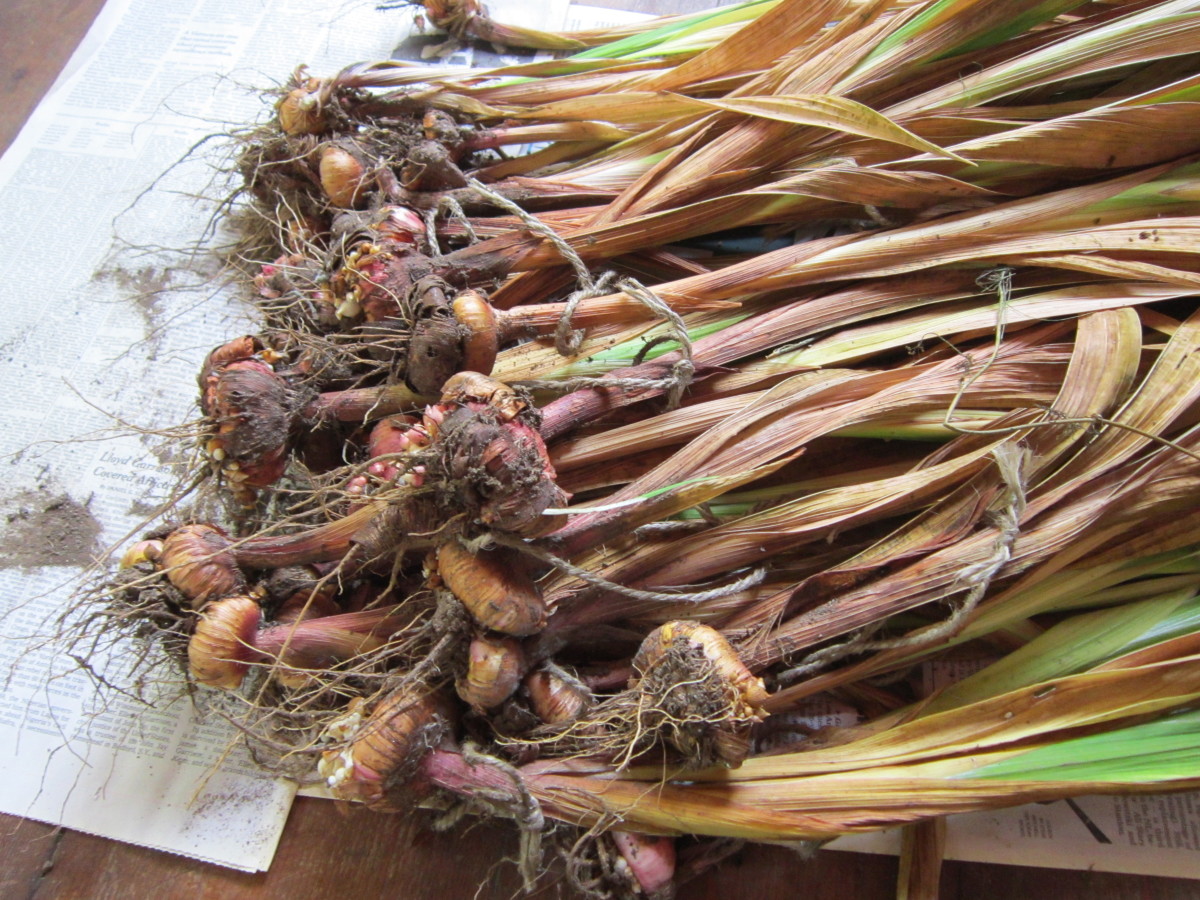 Set the plants on a newspaper on a porch or other area where they will be protected from the rain but can receive a nice breeze. Leave them there for about two weeks (bring them inside if a heavy frost threatens).
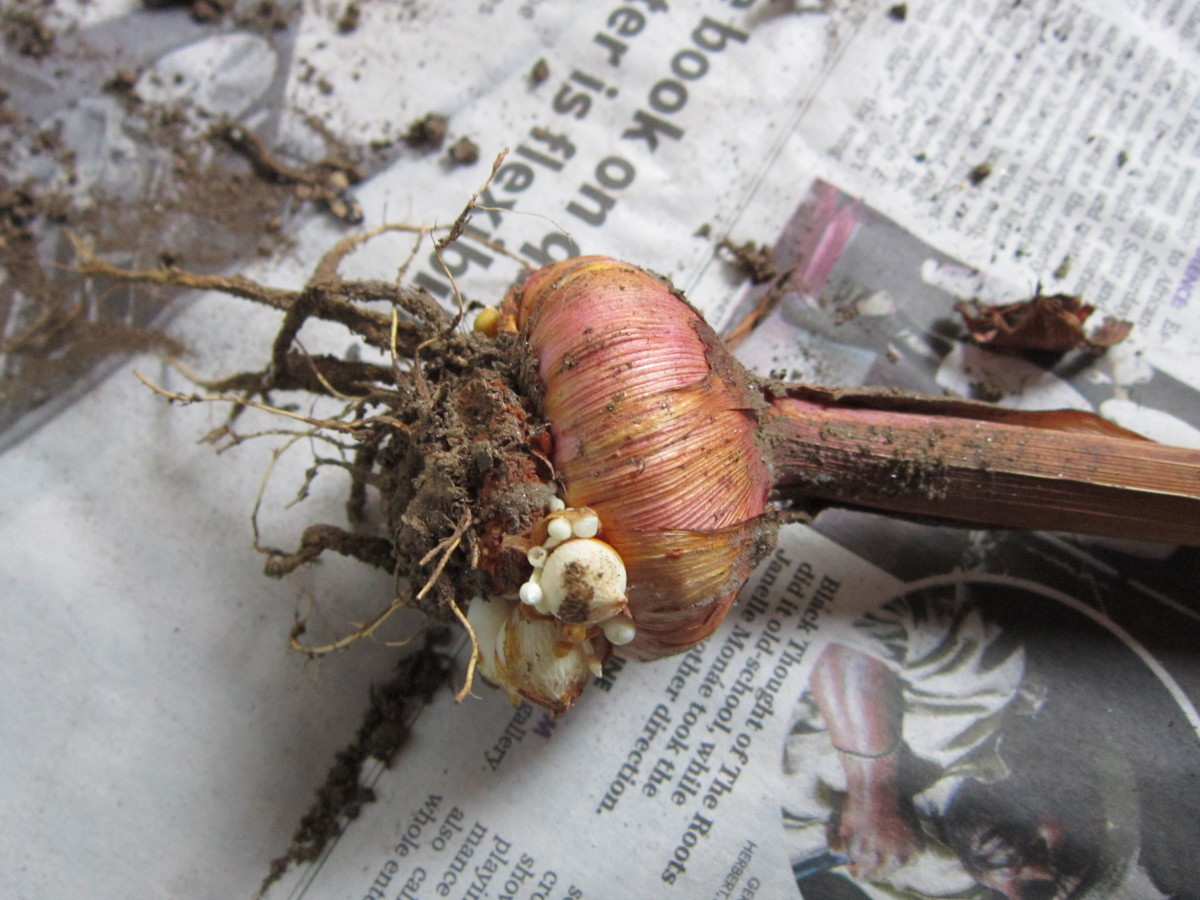 At the end of this time, the green stems will easily break away from the gladiola bulbs. Also remove the old “corn” sticking to the bottom of the new bulb.
 Put a layer of dry wood chips at the bottom of a bucket (a small bucket is generally fine unless you have an overabundance of gladioli). Place the gladiola bulbs on top of the chips giving each one its own space.
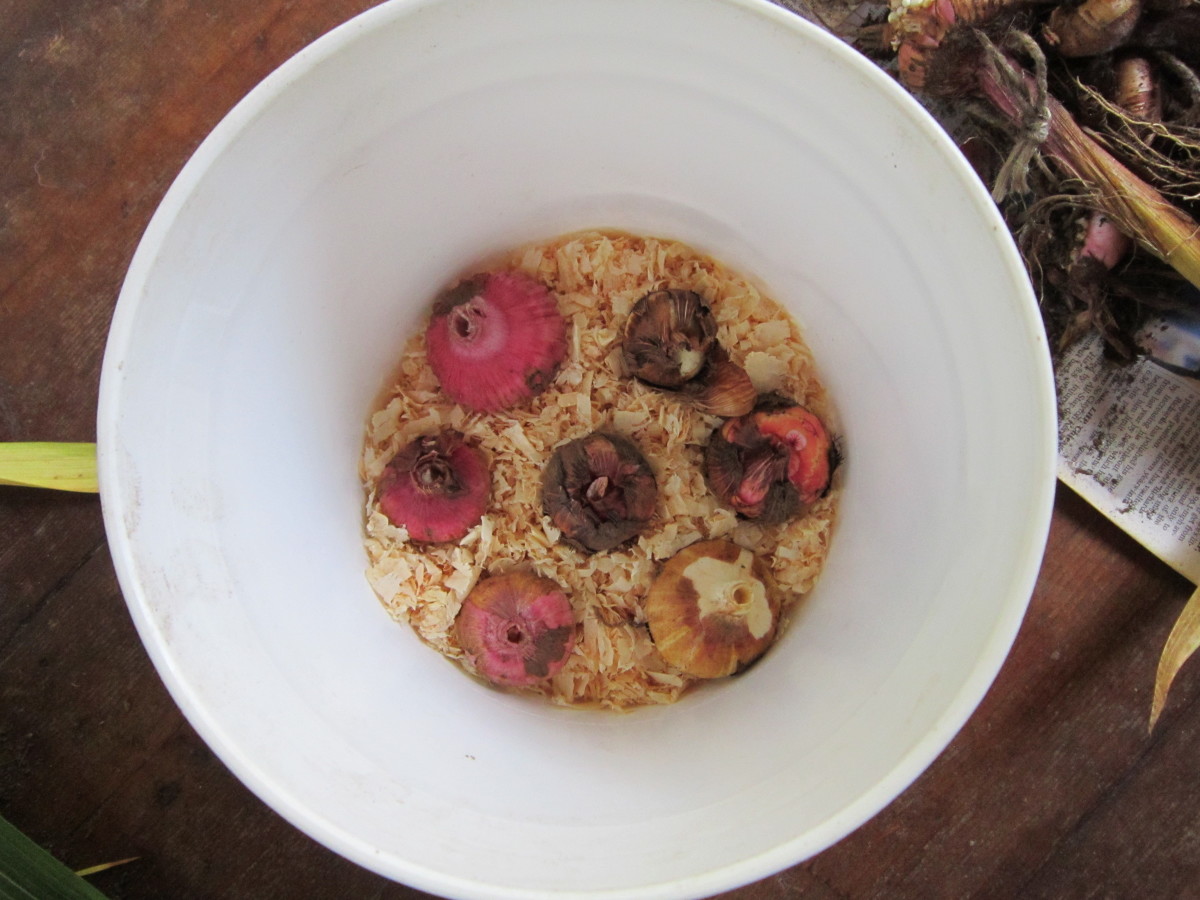 Cover with more chips and repeat. When the bucket is full, cover the top with more wood chips, secure a lid on top and place into the root cellar or cool basement. The bulbs should be fine until spring.

These 100% grass fed beef sticks are also FERMENTED!!! And really delicious!