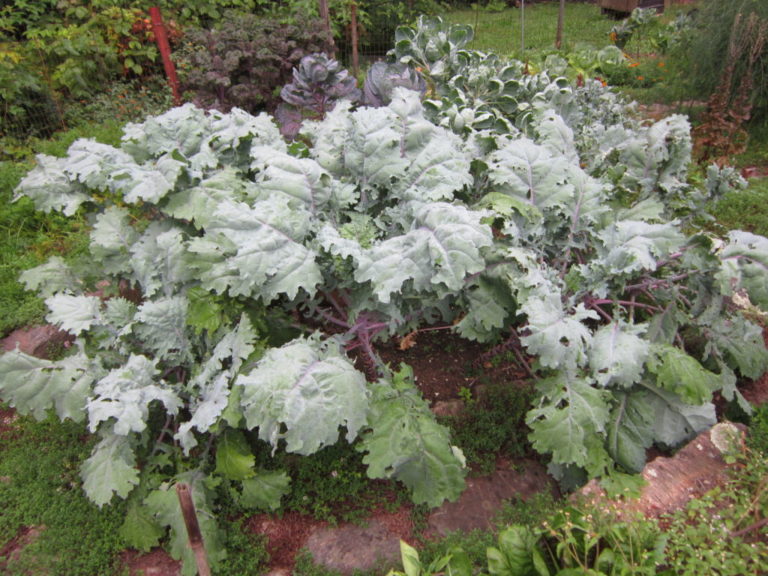
Planting Mache
Mache is an extremely nutritious green that can be added to salads during the winter months. Here, in the northeastern U.S. where it is cold (and frozen), mache can be grown in a sunny window inside. This vegetable actually likes the cold—it won’t germinate until temperatures stay consistently below 70 degrees F. So it is best to wait until the weather is cold and plant it outside.
Drill two holes in the bottom of two window boxes for drainage.
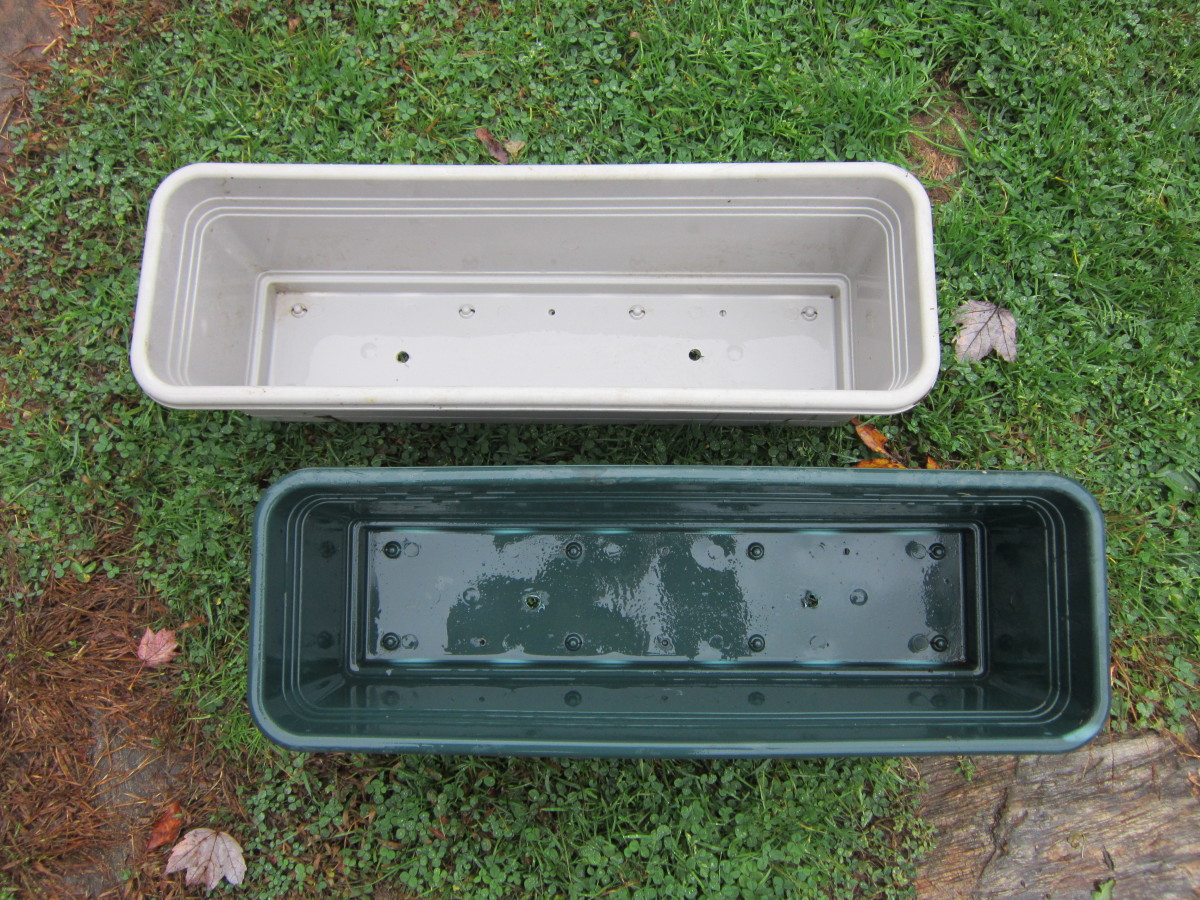
Placing a paper towel over the holes, fill ¾ full with potting soil.

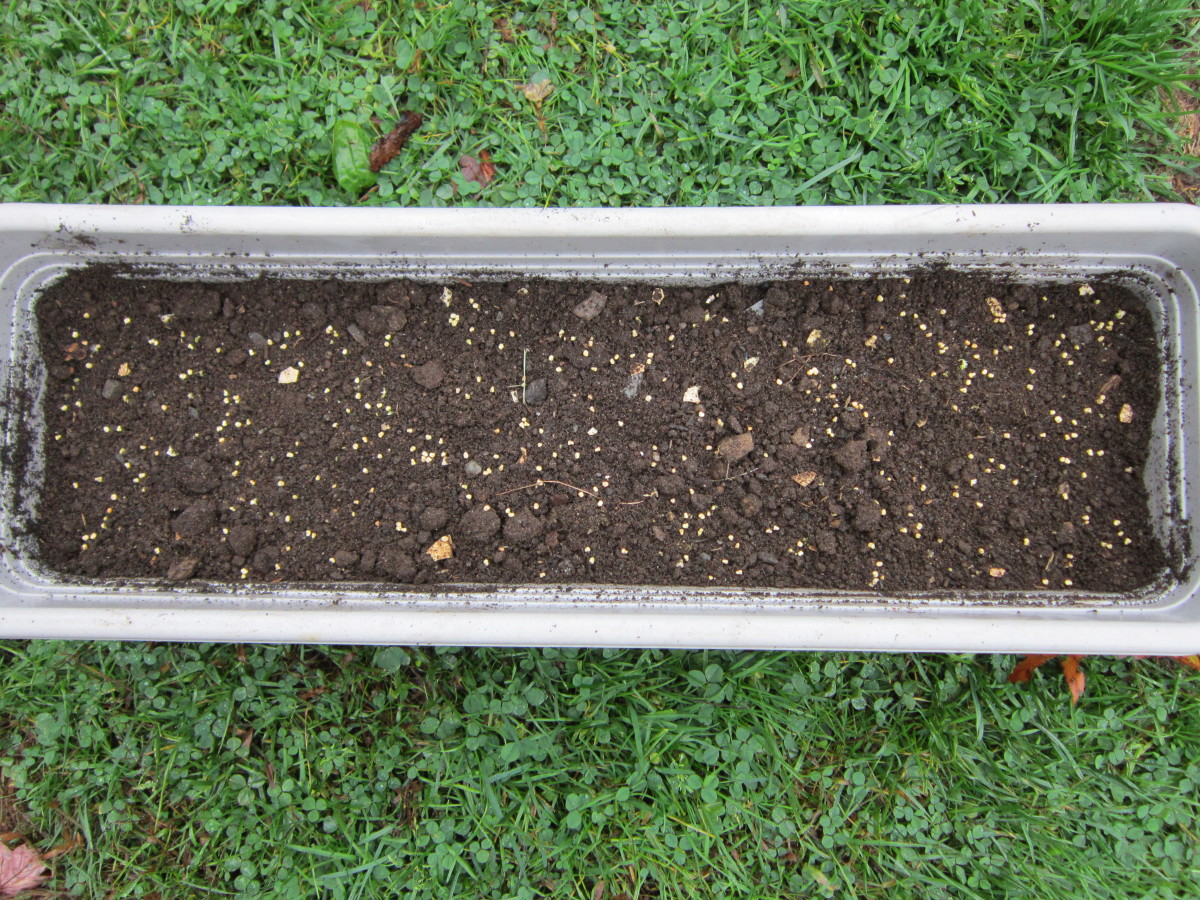
Sow the mache seeds; it’s good to sow them quite thickly. Cover with potting soil.
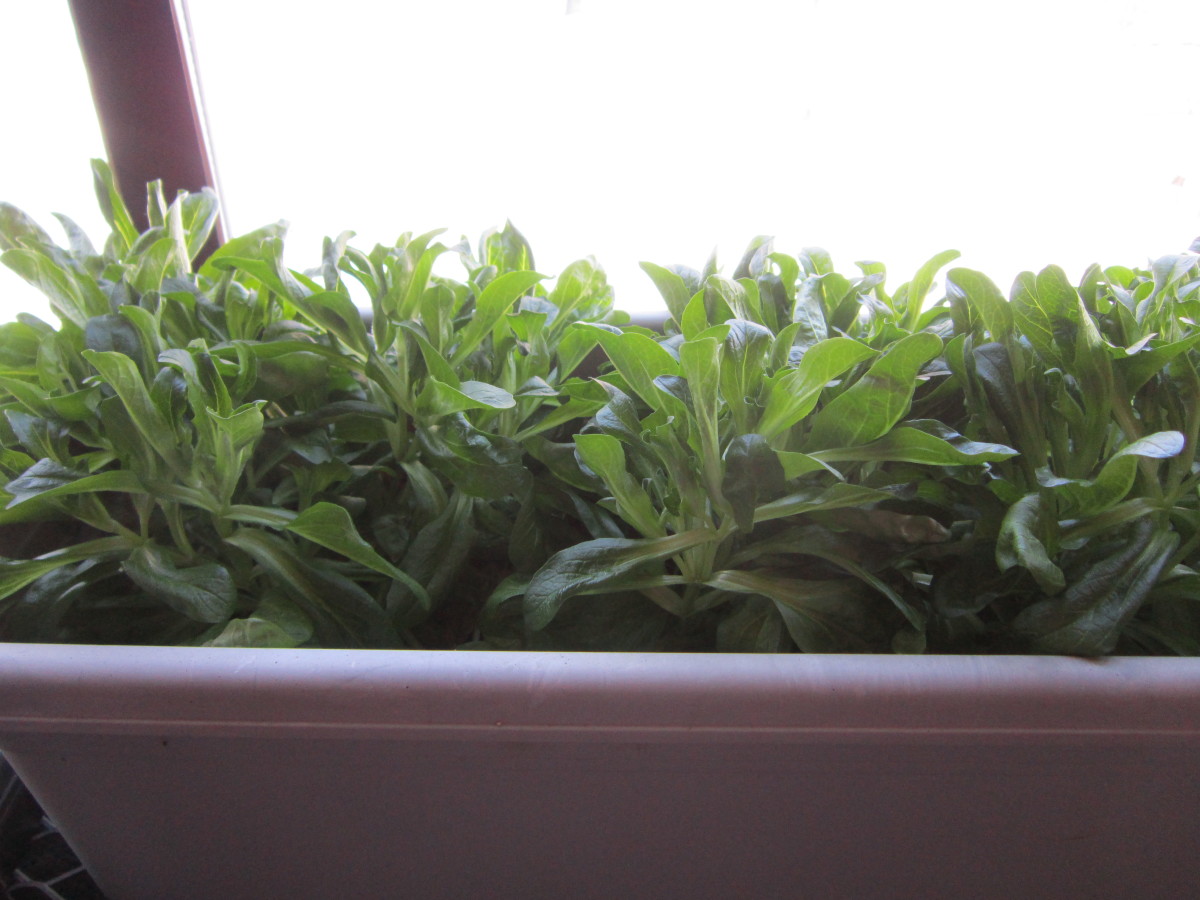
Once the seeds have germinated and the little seedlings are popping up, bring the window boxes inside and place in a sunny (preferably southern) window. They look like two bunny ears at first and these can be thinned and added to salads.
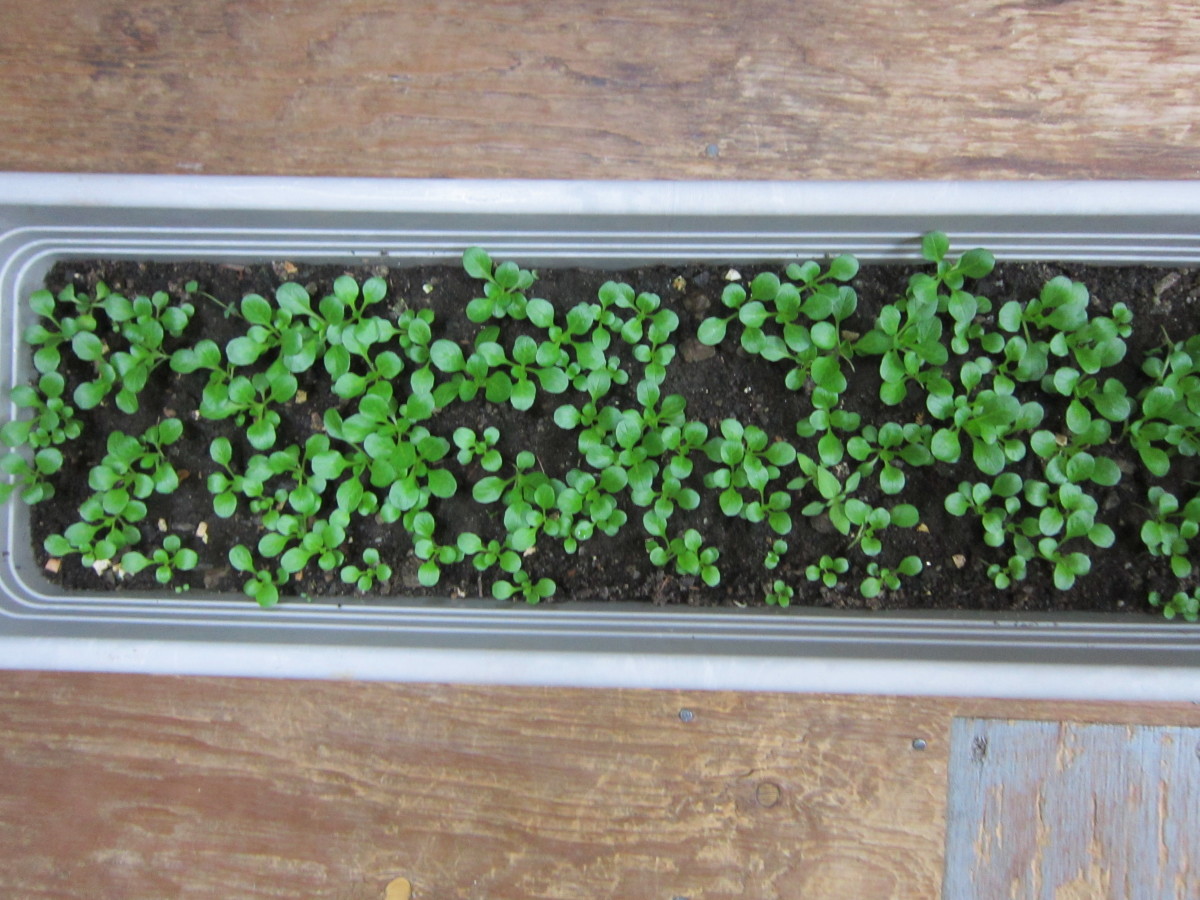
The remaining plants will turn into four bunny ears, then eight, then sixteen as they are thinned—making sure that the plants left in the box have room to grow. By the end of the winter, there may be just two plants left covering the entire box.
Once danger of frost has passed, the boxes can be brought back outside. Be sure to watch their hydration and don’t let these plants dry out. They will flower and get pollinated by the bees. Collect the seeds placing them on a plate or tray to dry for a few days before moving them into a sealed glass jar. Replant next fall.

These 100% grass fed beef sticks are also FERMENTED!!! And really delicious!