Saving the Bees and Butterflies
The numbers of bees and butterflies has fallen sharply in the past few years. Many think that it is because of the use of new pesticides (neonicotinoids) that were introduced in 2006. While many are working to make these pesticides illegal, the bees and butterflies really need our help to recover from these recent losses.
What to do? We can plant a summer flower garden to give them sustenance. There are many plants that both the bees and the butterflies love. As they will need food all summer long, it’s best to plan accordingly. Perennials can be mixed with annuals for a continuous bloom.
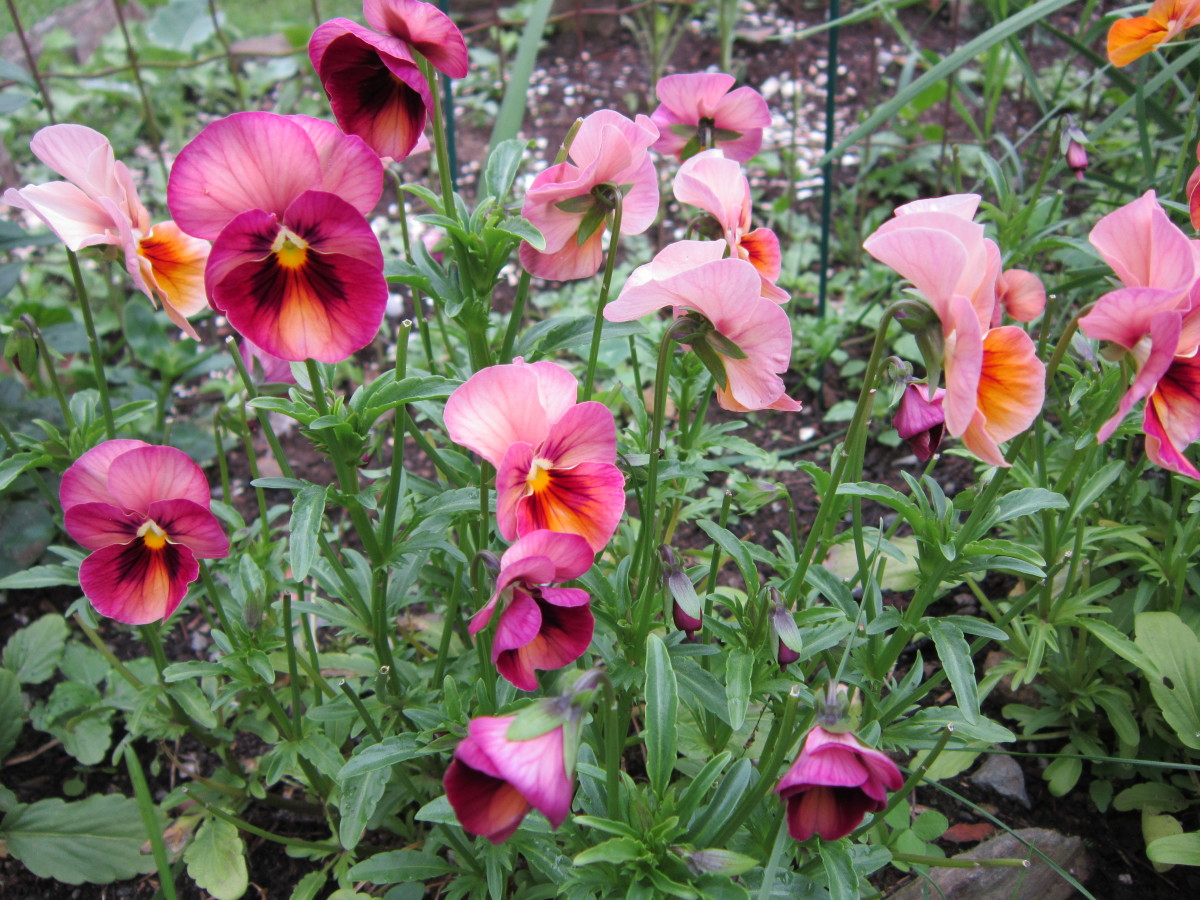
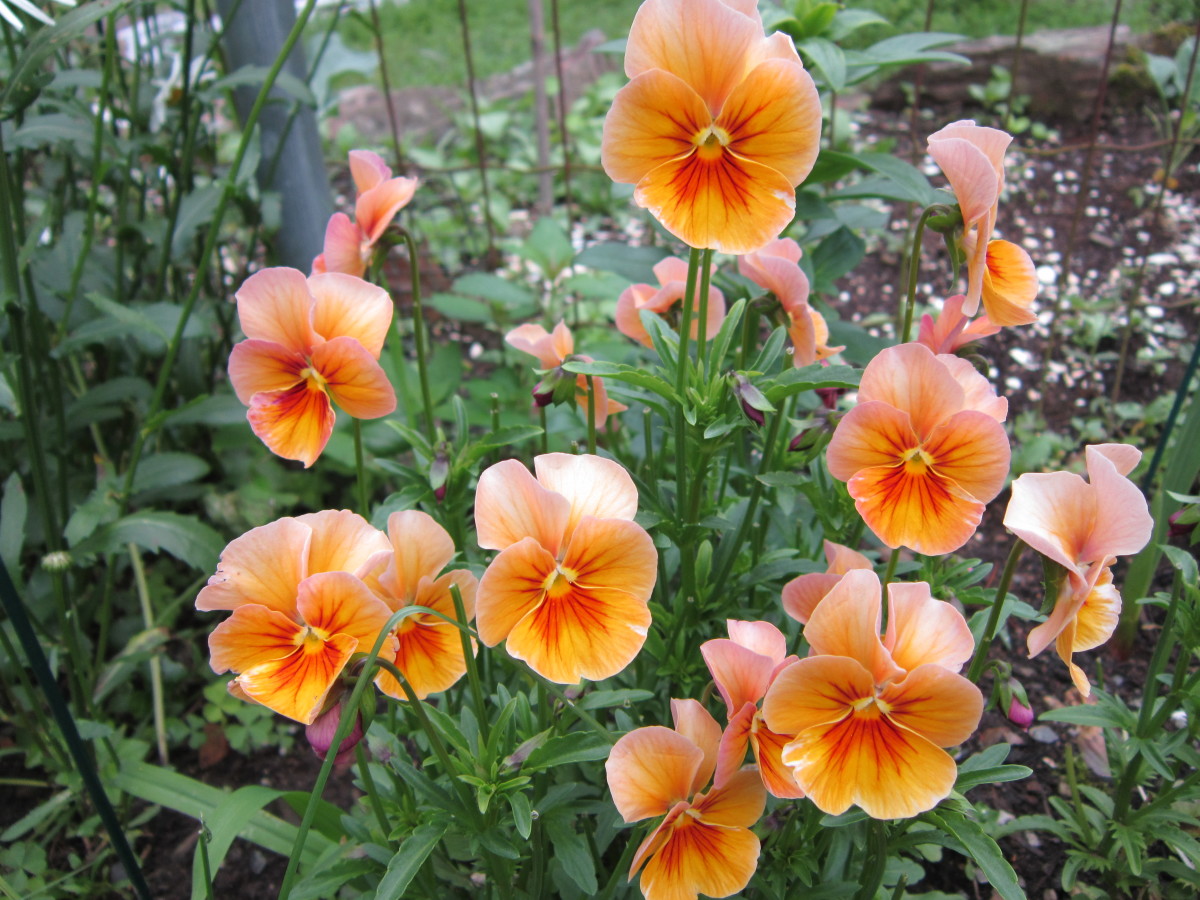
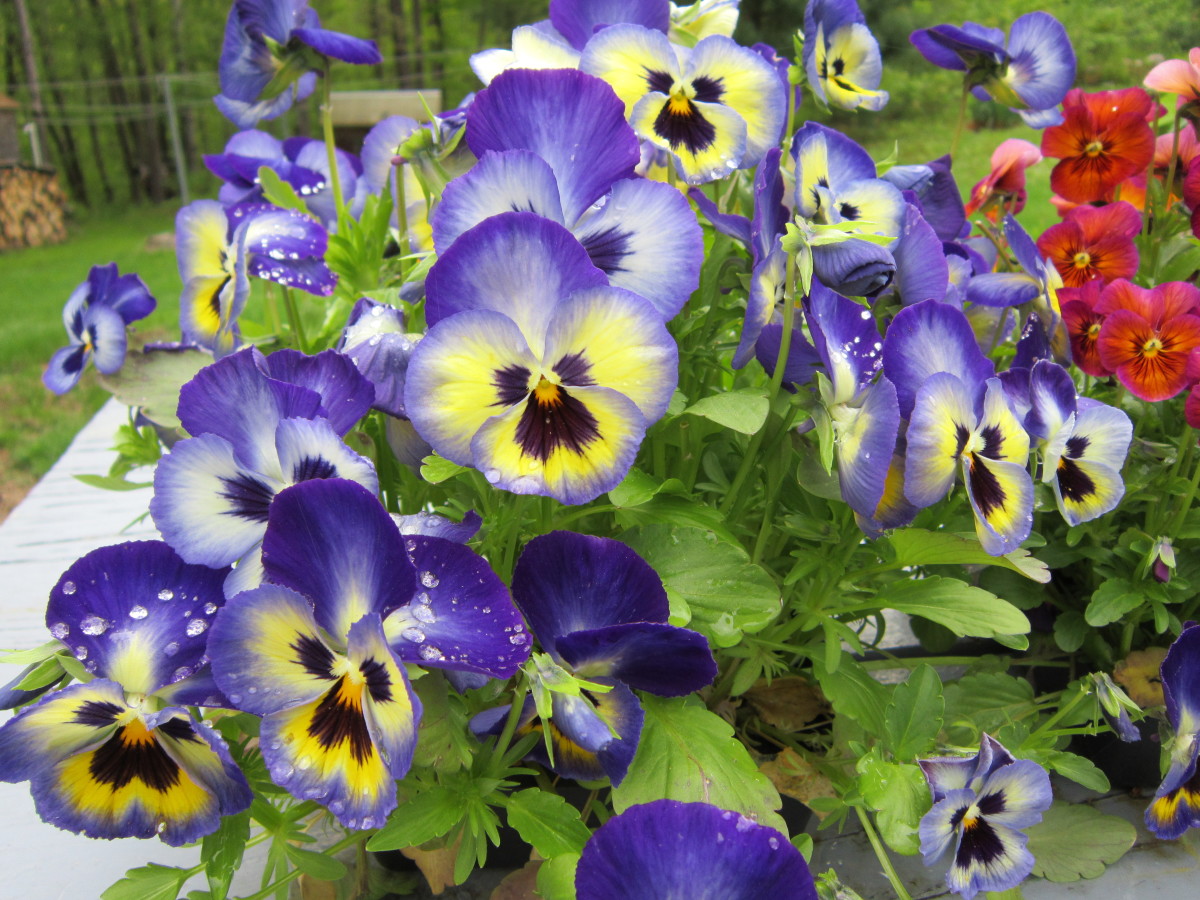
Annual pansies are a natural way to start the show. What better introduction to a gardening summer than these happy-faced flowers? Nurseries are always full of many different colors in the spring. Plant them early and enjoy them for months (an added benefit—they are edible!).
Dandelions are also loved by bees and butterflies. Don’t think of them as weeds—the young greens are tender and will add many nutrients to a salad. Flowers just under the surface of the soil can be cleaned and steamed and served with butter and salt (delicious!).
Lilac flowers are another early favorite. These easy to care for bushes grow with the years giving more and more lovely scented flowers with the passing of time.
For the perennial bed, start with coral bells and daisies.

Once these have finished blooming, the columbine, bachelor’s buttons, pincushion flower, Echinacea and yarrow come to life.
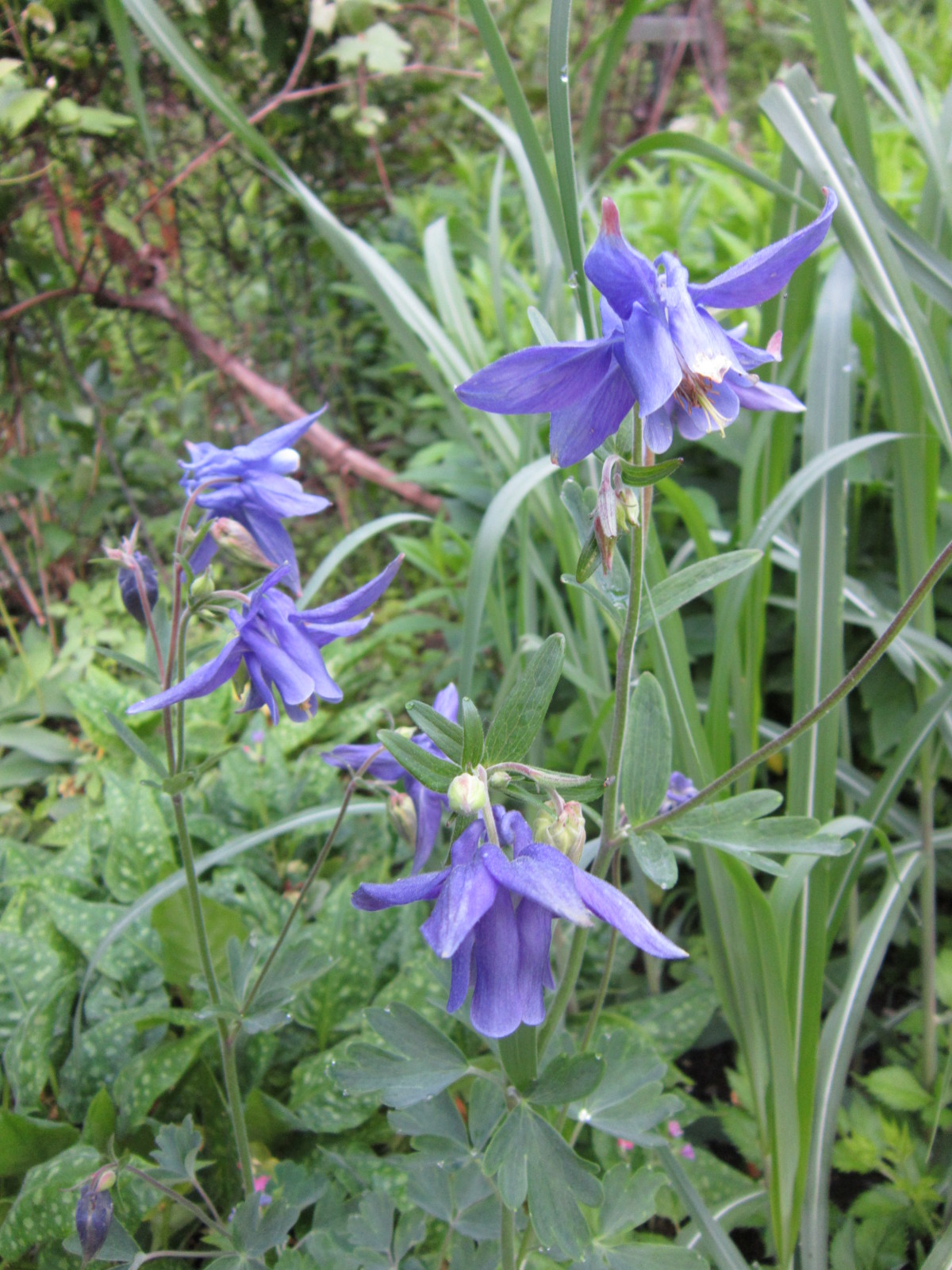
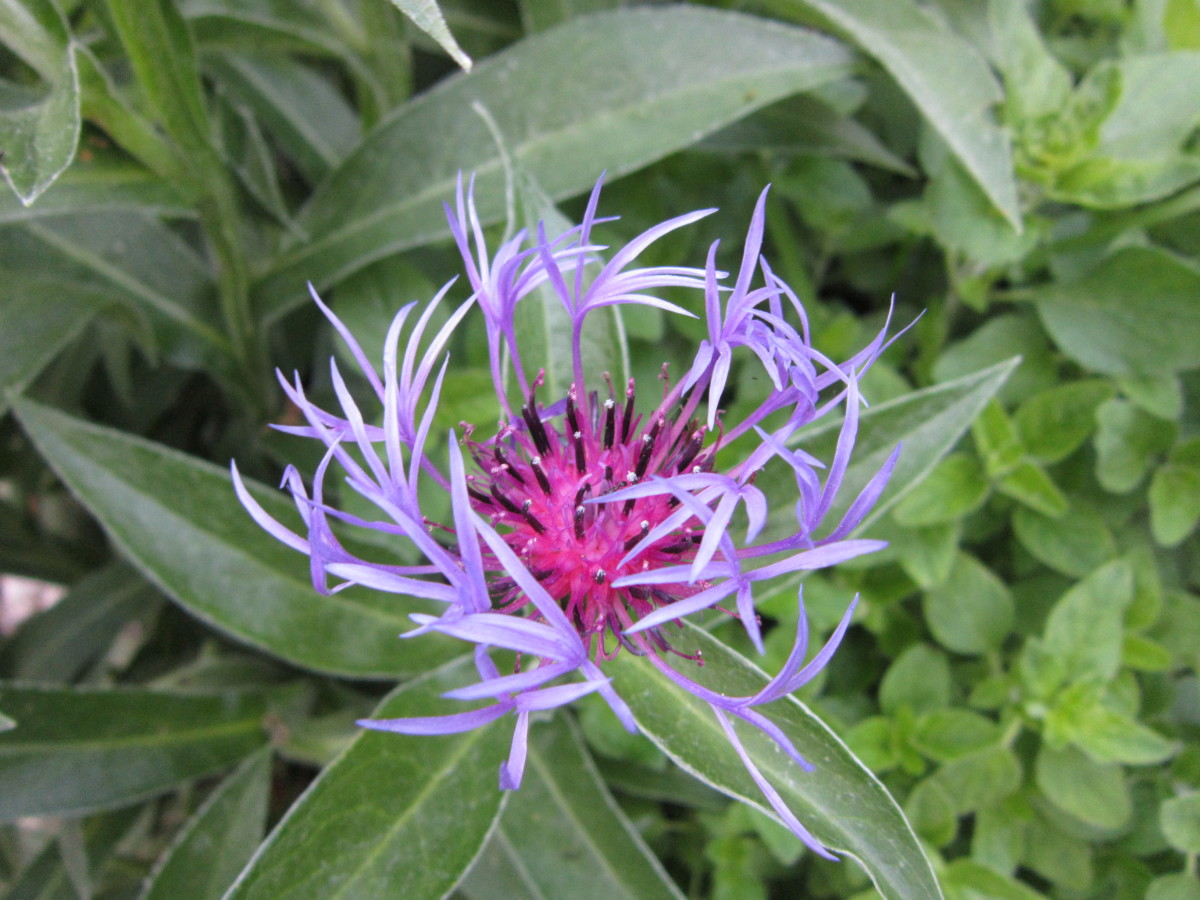
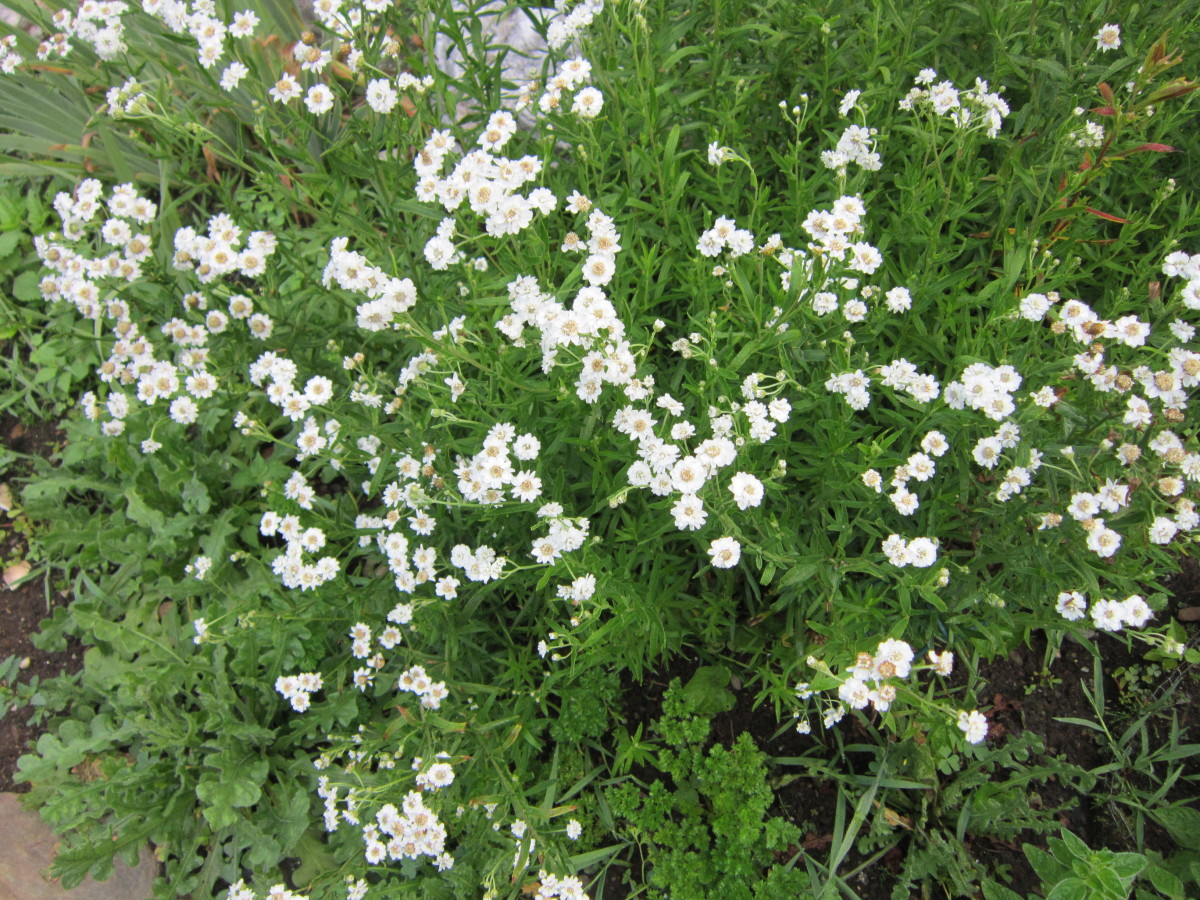
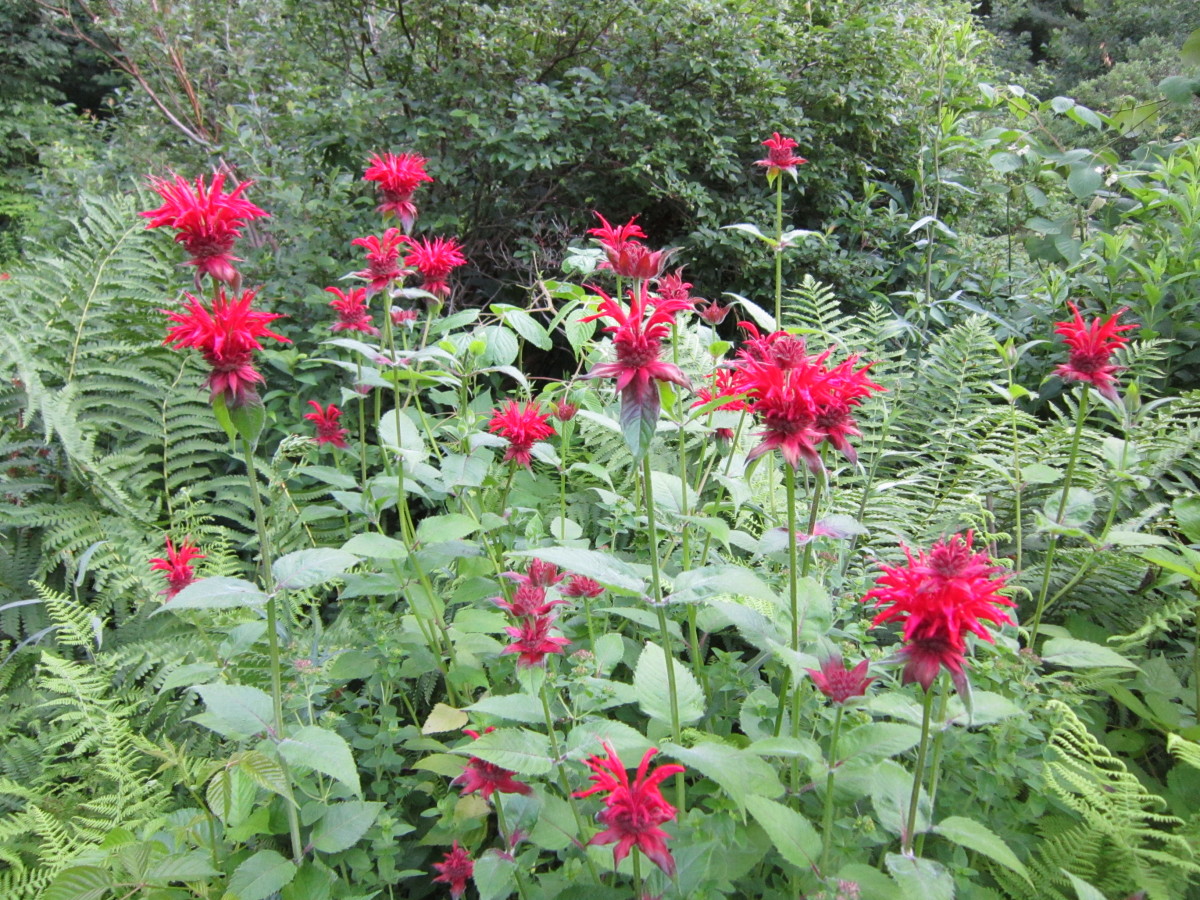
Bee balm kicks in soon thereafter and this is also a favorite of hummingbirds (their gentle petals are also edible and make a lovely tea or ferment).
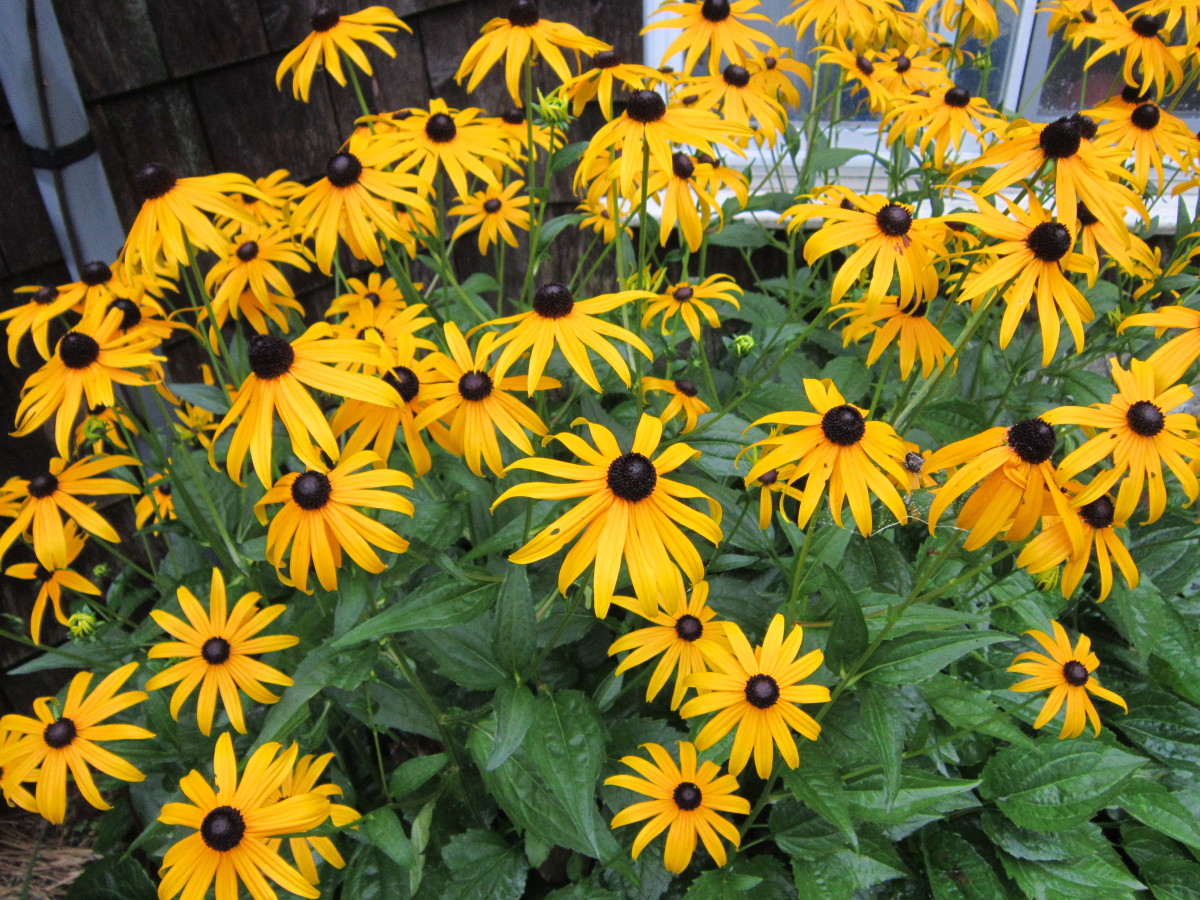
Rudbeckia (a perennial form of Black Eyed Susan) blooms next and will continue to bloom until the frost. These colorful flowers also make wonderful cut flowers.
Zinnias, marigolds and sweet peas are annuals that will bloom all summer long if the spent flowers are removed.
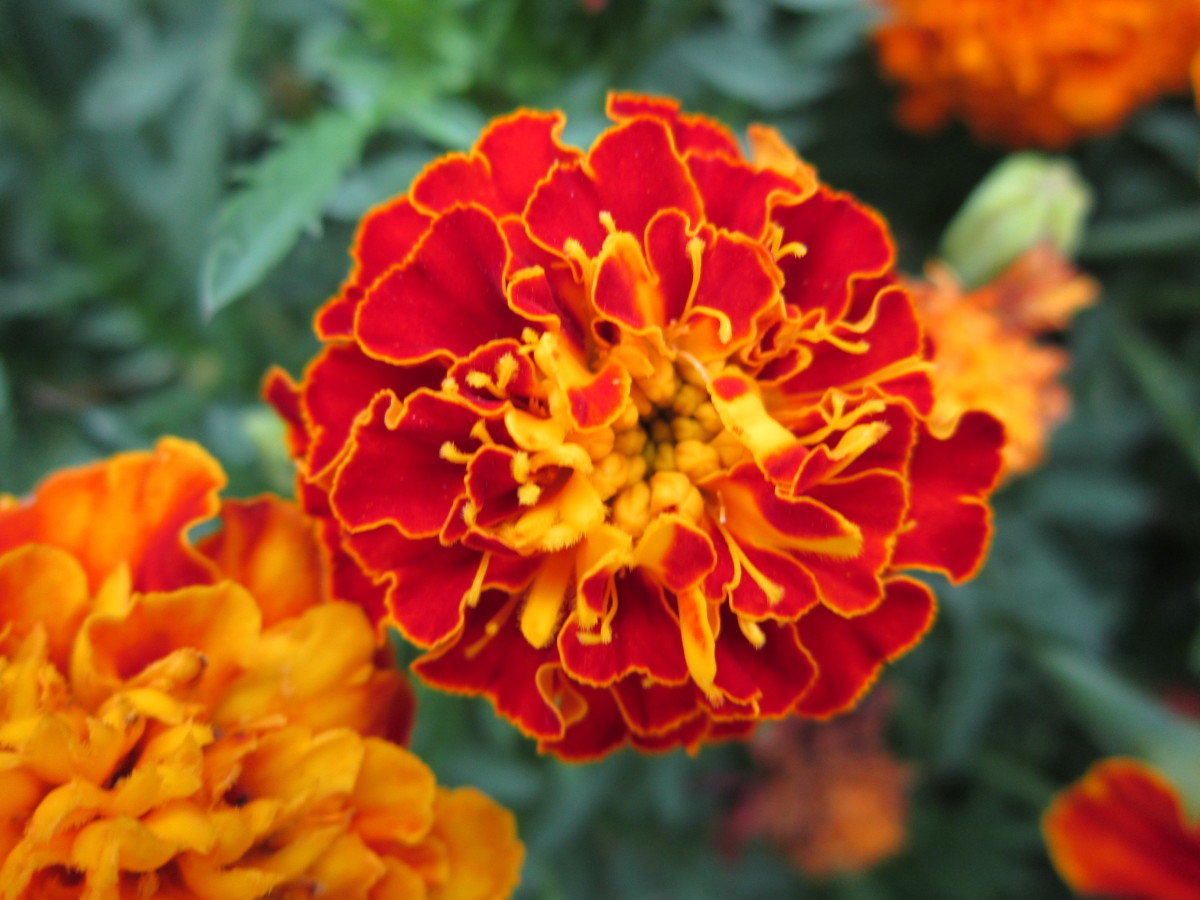
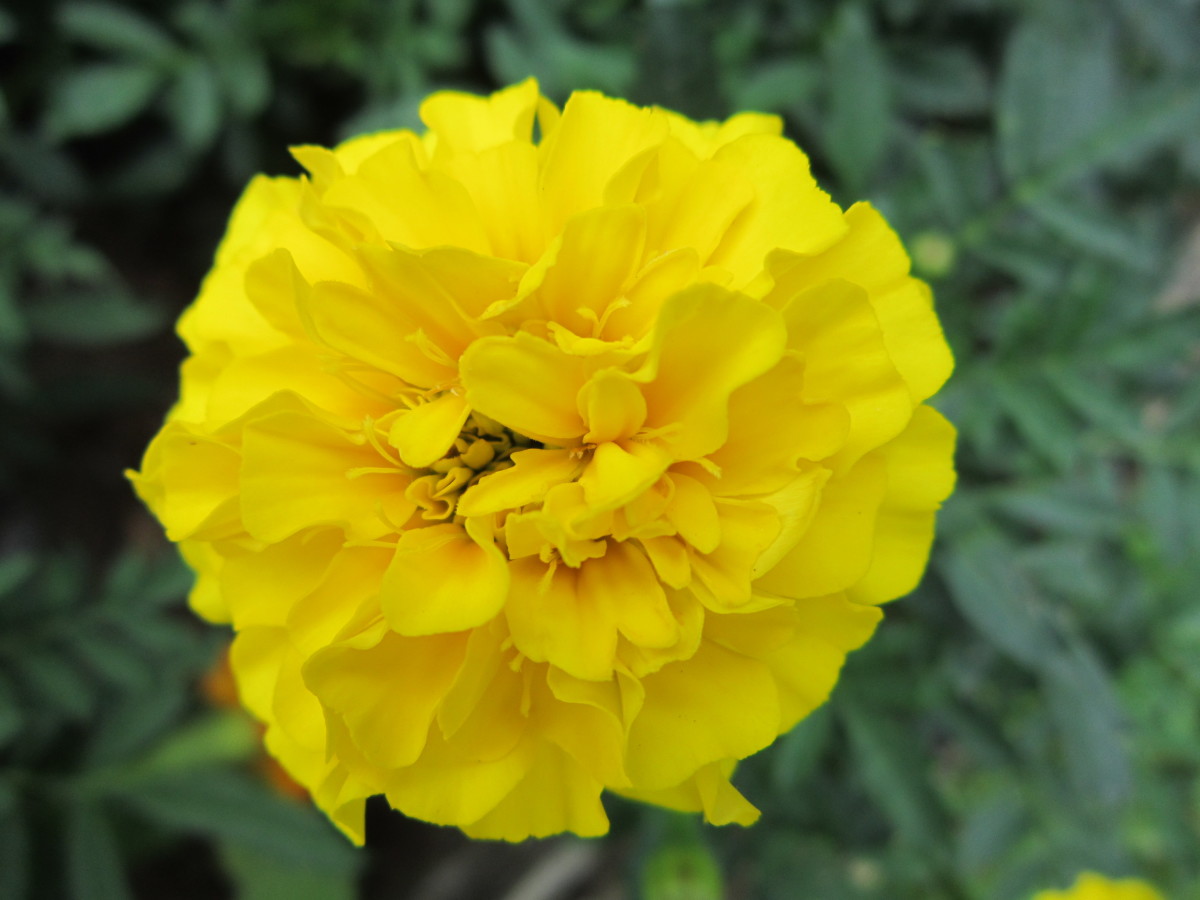
Nurseries often have many plant choices in the spring. Lemon Gem and Tangerine Gem marigolds are particularly lovely as the foliage gives off a lemony scent when brushed. These little flowers are also a favorite to add to salads. Sweet peas can be cut and brought inside to fill the interior with wonderful scents.
Asters and sedum perennials finish out the year with their late-blooming offerings.
You needn’t plant all of these choices. Pick one or two from each season and you’re in business. The bees and butterflies will thank you.