Microwave Ovens Are Not Good for Our Health

Microwaves have become all the rage; most homes have at least one and break rooms now have them instead of regular ovens and stove tops. This is decidedly a bad idea. Microwaves cause the food to vibrate at very high frequencies. This changes the actual chemical makeup of the food creating nutrients that are unrecognizable and unusable for our bodies.

If you doubt this, try watering one of your house plants with water that has been microwaved. Your plant will die. If microwaves can do this to water, think what it can do to food.

Sally Fallon Morell told me on a radio show that I used to have that microwaved food is very hard on the kidneys. My neighbor lost her Dad to kidney disease after his wife cooked exclusively in her microwave for a few years.

In 1976 Russia banned microwaves. They did so because they felt that foods thus treated had lost 60 to 90% of their vitality, altered basic food structures causing digestive disorders, lowered the body’s ability to absorb vitamins and minerals and lead to a higher percentage of cancerous cells in the bloodstream.

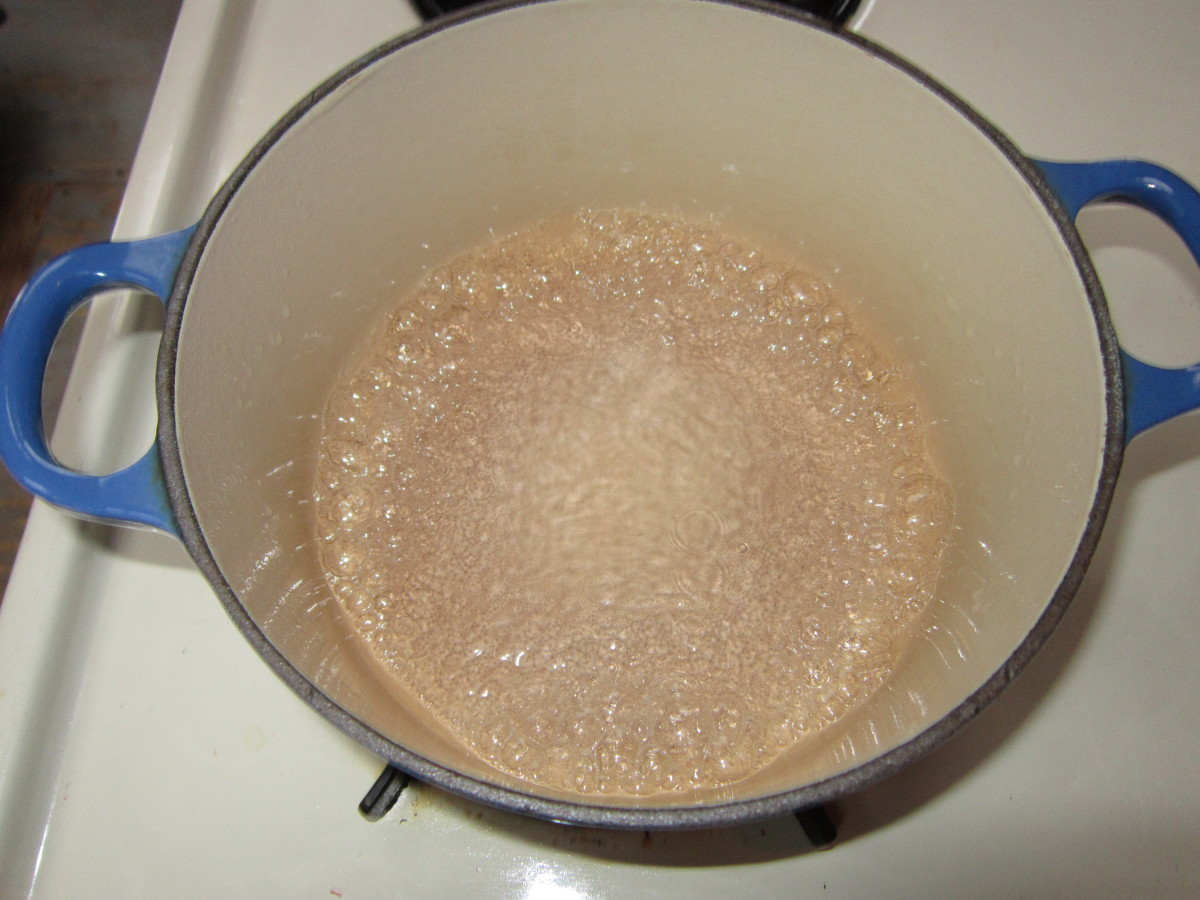
When re-heating food, cover the bottom of a saucepan with water.
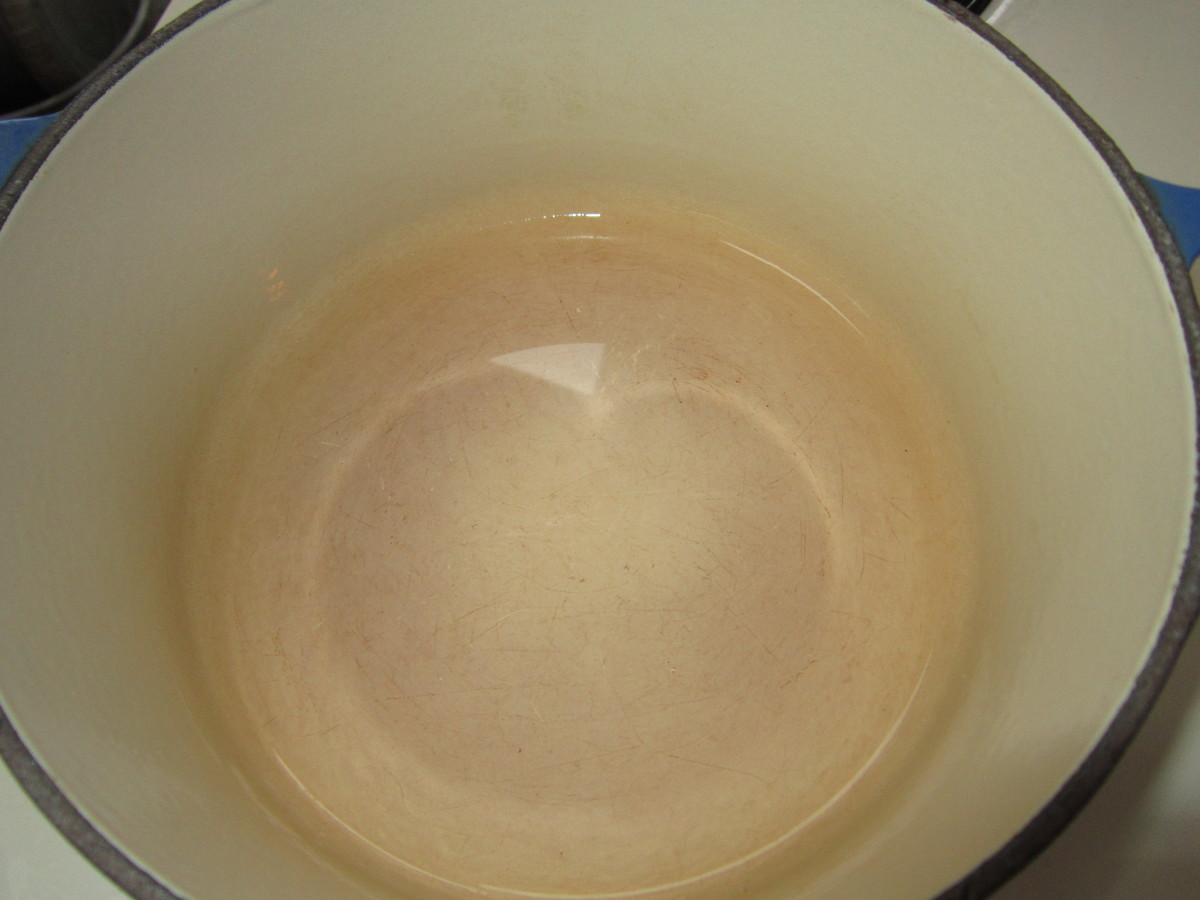
reheating 004

Bring it to a boil.

reheating 010

Then add your stew, soup, casserole or whatever you want to warm and stir vigorously. It only takes a few minutes to become hot and it doesn’t disturb the integrity of the food.
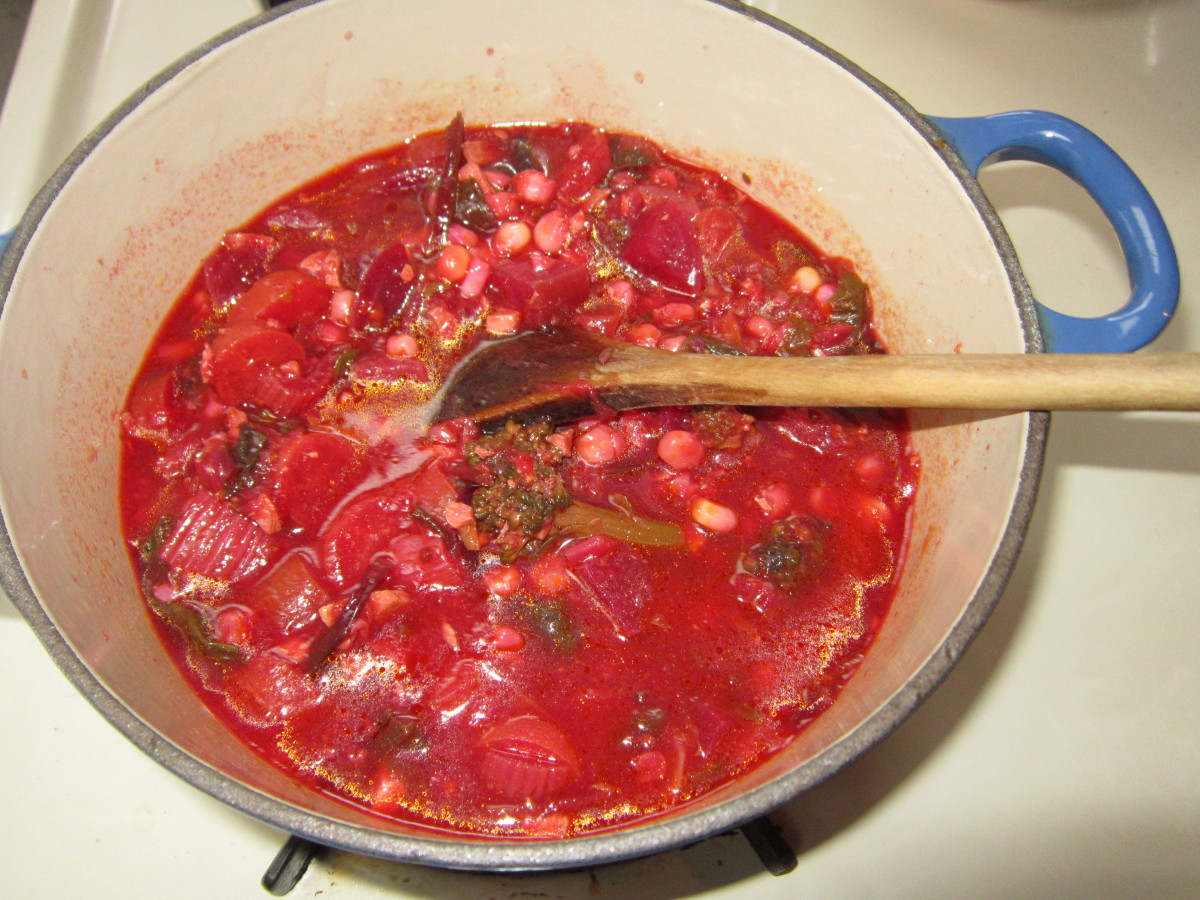
reheating 014

Share

Similar Posts

  • Planting Garlic

    Garlic isn’t really like most of the crops. It actually never stops growing. Planted in the fall, it will begin its process immediately, continue under the snow and grow until it is ready to harvest in July. It is actually one of the easier things to grow as it has few diseases and insects don’t…

    Share
  • Growing Onions

    February is the month to begin planting onions. They are quite easy to grow from seeds if you have a sunny window. Get the best potting soil that you can find (ask at your local nursery) and fill the tray about 2/3 full of it. It’s a good idea to blend in some soil amendments…

    Share
  • Time to Plan the Garden

    While winter isn’t quite through with us, spring really is right around the corner. Days are getting longer, bitter cold has lost its grip and garden catalogs fill our mailboxes. Soon we’ll be involved with our spring cleaning, readying the lawn furniture and digging out the hoses. If you haven’t plotted the garden plan or…

    Share
  • The Importance of Organ Meats

    Nearly all traditional cultures valued organ meats. They were often the first parts eaten of any animals that they ate because of their ability to build reserves of strength and vitality. Unfortunately, in today’s world, we have lost the flavor for these things and they are exceptionally difficult to find. Consider, though, that these meats…

    Share
  • Planting Mache

    Mache is an extremely nutritious green that can be added to salads during the winter months. Here, in the northeastern U.S. where it is cold (and frozen), mache can be grown in a sunny window inside. This vegetable actually likes the cold—it won’t germinate until temperatures stay consistently below 70 degrees F. So it is…

    Share
  • French Onion Soup

    French onion soup is a perennial favorite. It’s rich, hardy and delicious. Ideally, the flavors are complex and well mixed—this occurs better if it is made the day before it is eaten. My mother, who was of French descent, swore that real French onion soup was made with turkey stock. Most chefs use beef stock….

    Share

One Comment

  1. Thanks, Celeste, for speaking out on this very important subject. So many take great pains to choose the best foods – often at considerable expense – and have no idea how the foods are being “changed” with microwave defrosting, heating, and cooking. Thanks also for demonstrating how to do it. I usually tell my clients they need to first go out and find two sticks to rub together. LOL!

Leave a Reply

Your email address will not be published. Required fields are marked *