
Getting the Chicken Coop Ready for Winter
Chickens need a bit of different attention in the winter than they do in the summer. If you live in a cold climate, you must make sure that their water doesn’t freeze and they have the capacity to stay warm. As long as they are free from drafts, chickens can keep themselves warm even in very low temperatures. They fluff up their feathers and huddle next to each other on their roosts.
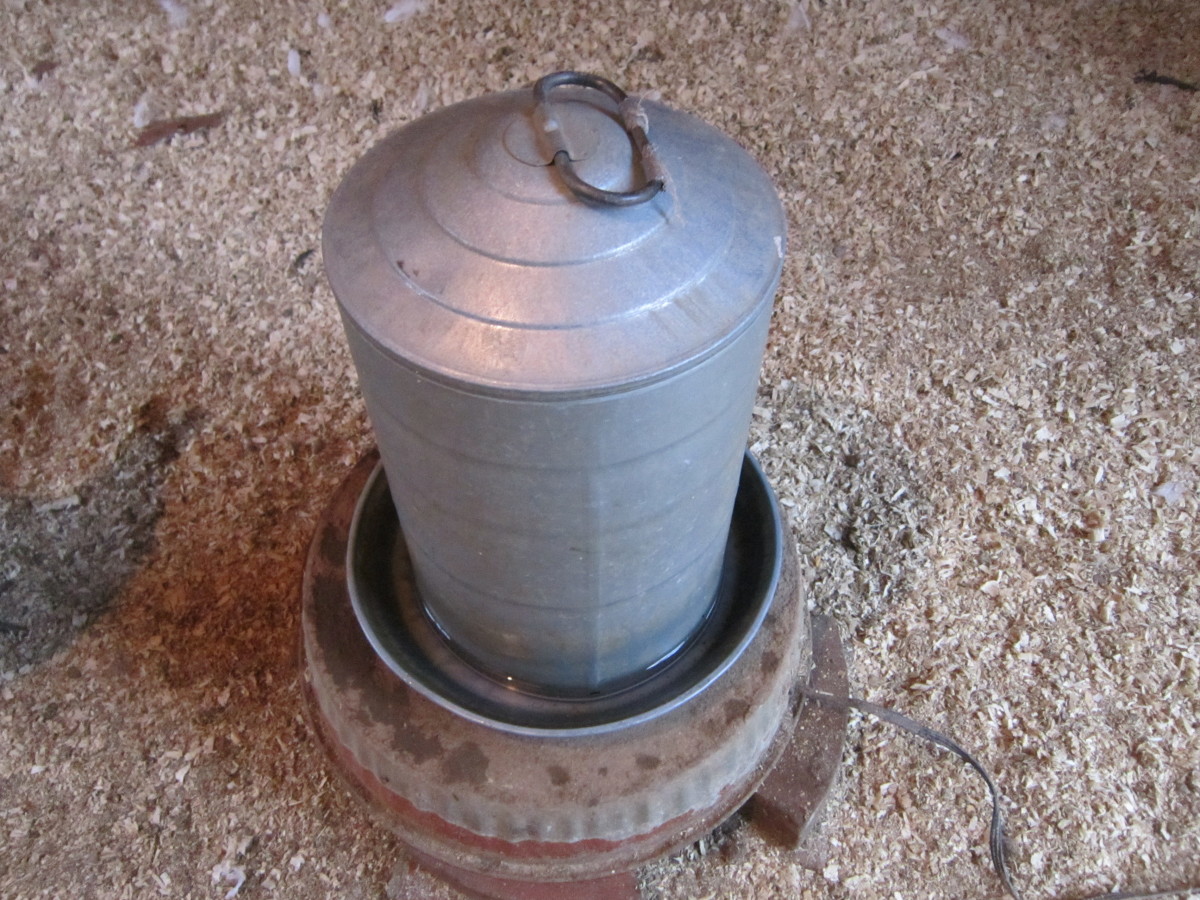
Water can be kept warm by purchasing a heater designed for this purpose. It keeps the water just above freezing so it doesn’t use lots of power and chickens prefer cold water anyway. It’s helpful to set it up on a couple of bricks to get it away from the litter which can fly in and pollute the water.
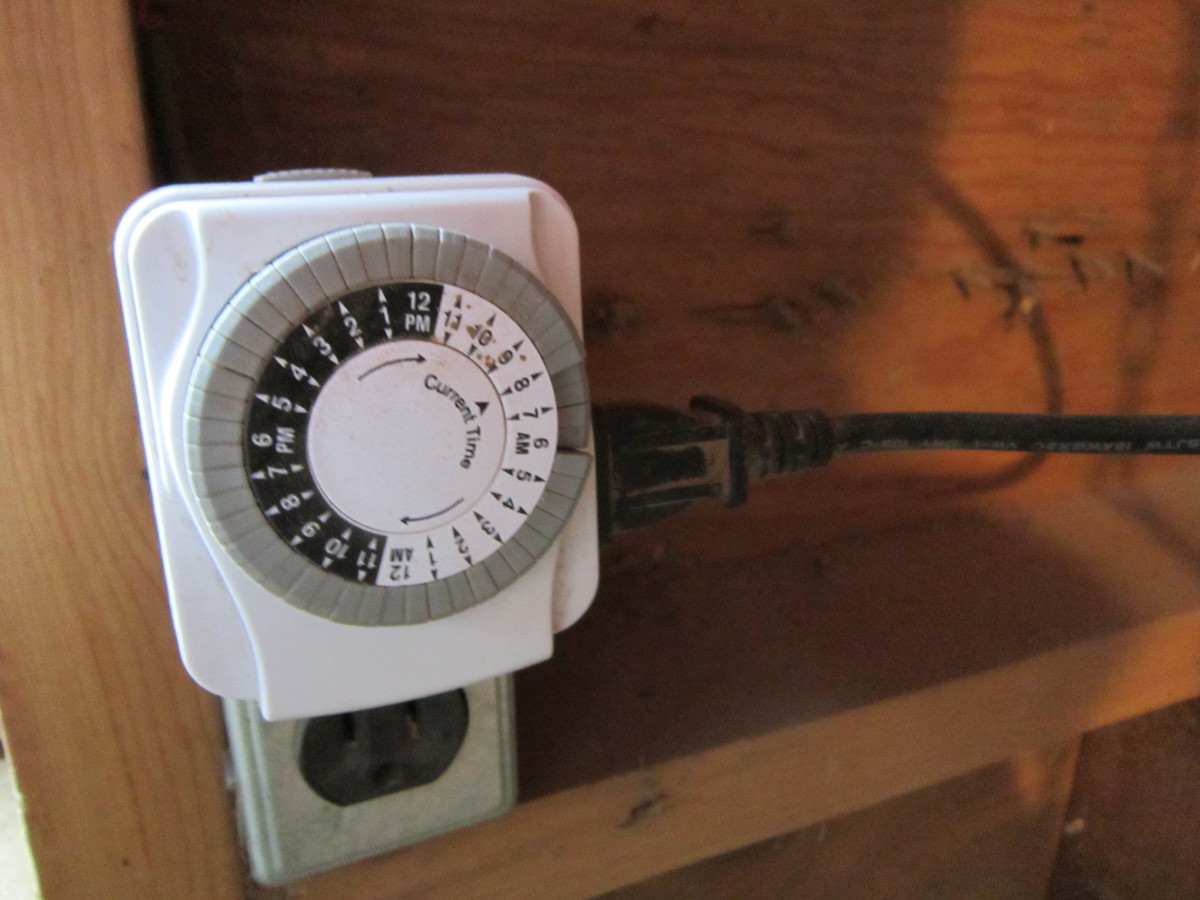
The amount of daylight that a chicken experiences has a lot to do with the number of eggs she will lay. As the winter nights become much longer than the days, chickens will slow down or, sometimes, cease altogether laying eggs. To keep up production, it is necessary to give the girls some extra light. This is quite easy to do with a regular lamp that is placed on a timer.

Set the timer to the current time and program it to come on at 4 AM and off at 7 AM. Be sure to clear the coop of cobwebs, though, before you set this up. Cobwebs are flammable.
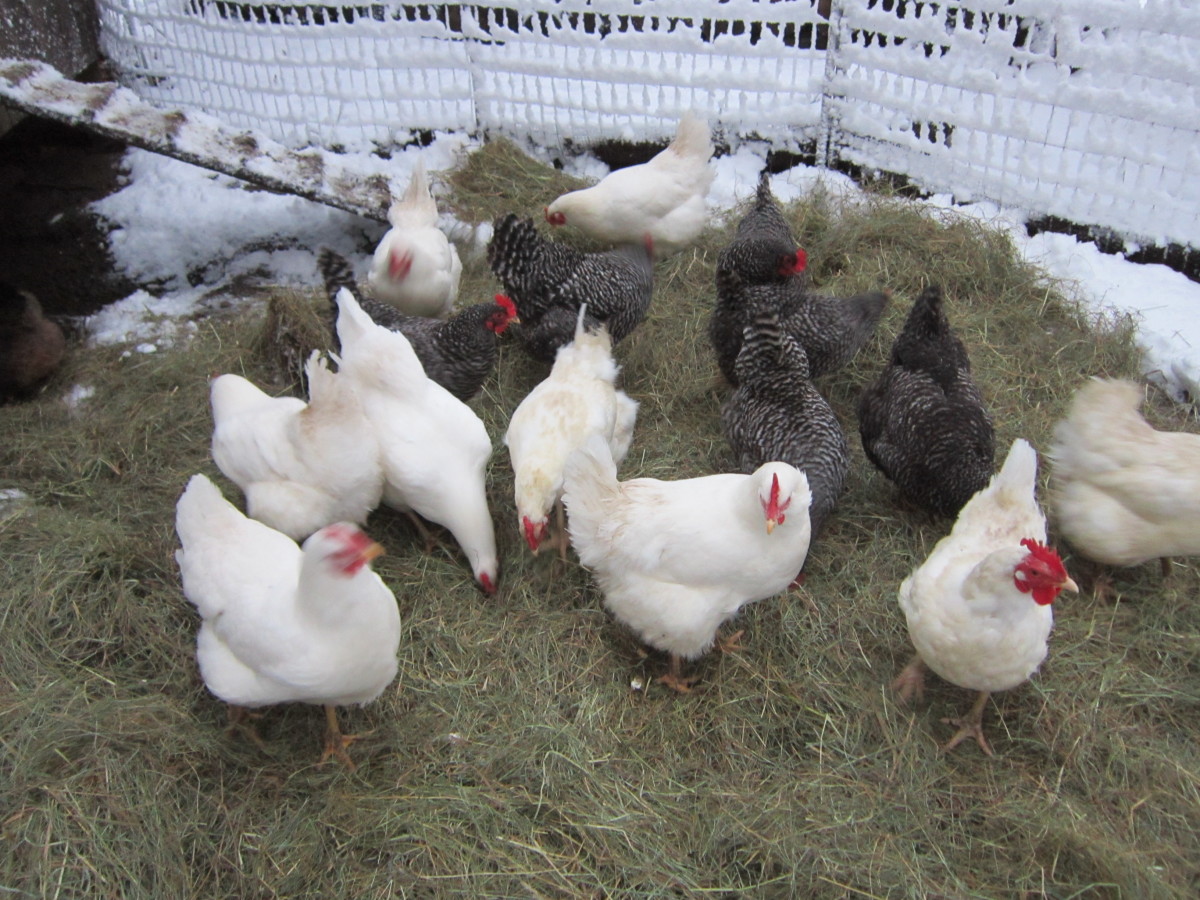
Chickens don’t mind a light rain, are not fond of a hard rain and hate snow. They will refuse to leave the coop as long as there is snow on the ground. Because of this, some chickens don’t go outside all winter. This is not particularly healthy for the flock. It’s better to shovel them an area where they can continue to get out into the sunshine. A little hay placed on the ground invites them to hunt and peck without getting their feet cold.





Wow, I’m really surprised I haven’t seen this website earlier because it’s really awesome.