
Winter Sowing
My friend, Jackie Caserta, told me that she had come across a very interesting idea about sowing seeds. A woman by the name of Trudi Davidoff claims that she sows many seeds outside in the winter. She says that they do better than any that she starts inside to later transplant into the garden. So I decided to give it a try.
This should be done only with cold-tolerant plants like the ones that can be planted before the danger of frost has passed. You need some take-out trays from a Chinese or Thai restaurant—the kind with the clear tops and black bottoms. Slit some holes in the bottoms and tops.
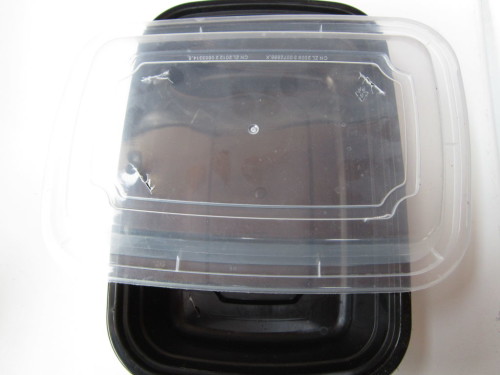
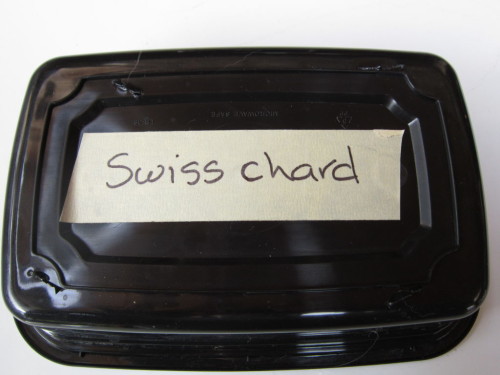
Put some masking tape on the bottom and label the future seedlings.
Fill 2/3 with some good quality potting soil. Plant your seeds.
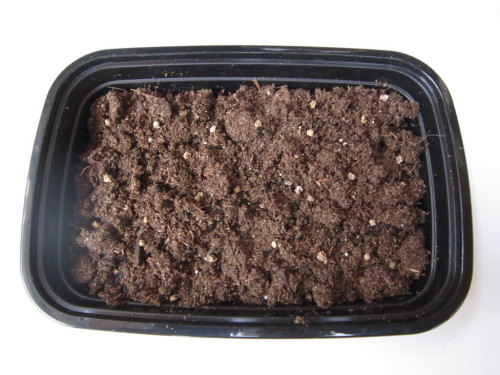
Cover with about ¼ inch of soil and water well. Place the lid on and tape the sides down.Transfer outside onto a picnic table or into a garden bed.
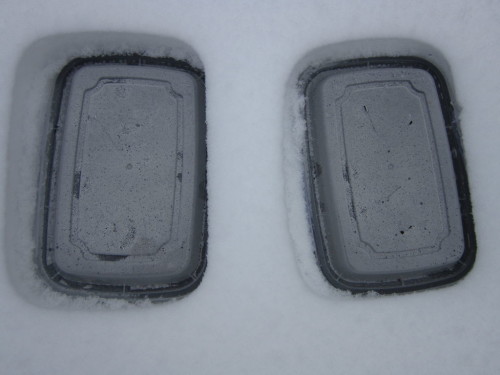
The seeds will germinate when the temperature and conditions are right. Keep an eye on them as the holes will have to be made bigger once the plants emerge and water will have to be added when needed. When it is time to transplant them, they will already be used to the outside temperatures.
Admittedly, this is an experiment for me. I have planted two types of lettuce, one broccoli and one Swiss chard in my containers. Stay tuned!
If you would like to read more about this technique, Ms Davidoff can be accessed at www.wintersown.org.


I have had great success with Wintersowing. Call it an experiment but you will be happy with the results. I have over 100 milk jugs planted this year …..so far. Keep planting 😀
Thanks for your feedback! Am looking forward to positive results here.
I didn’t do the Wintersowing this year, but I have in the past. It is particularly good for perennial flowers. I have FILLED my gardens up with gorgeous annuals. Its my favorite way to start them. Its great for herbs, too, and some fruits/veggies do well, too, but it depends on the variety/plant. I have had better results with things like peppers, tomatoes, eggplants, et al starting them inside with warmer consistent temperatures.